
Last updated November 25, 2026
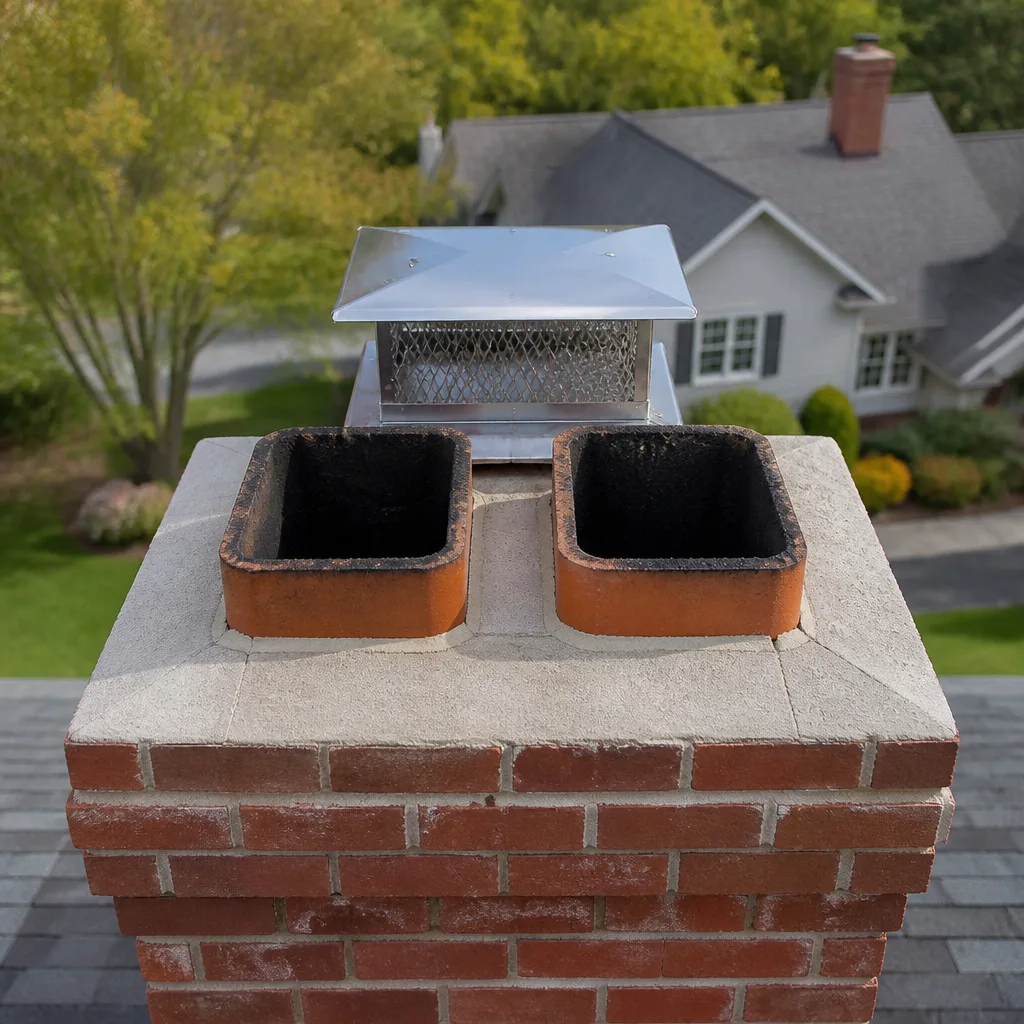 Sweep & inspection
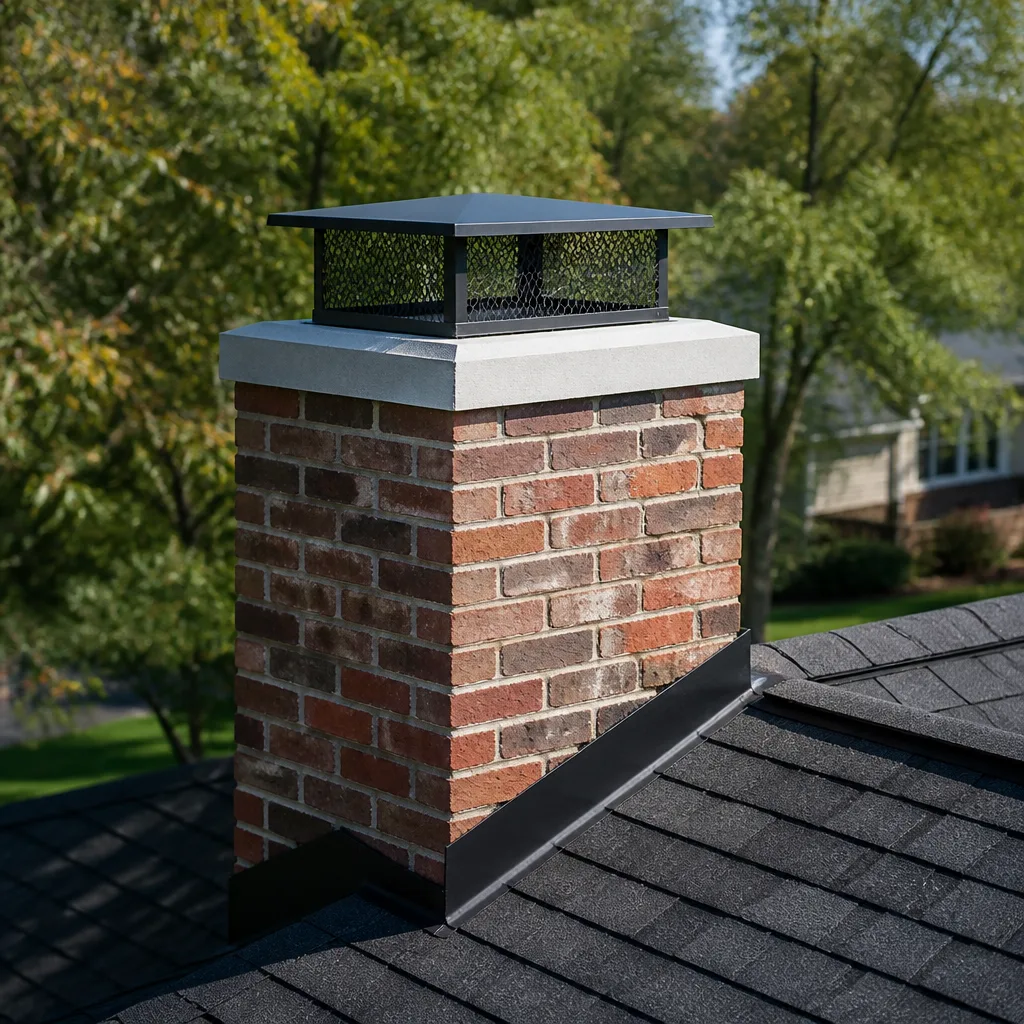 Caps & crowns
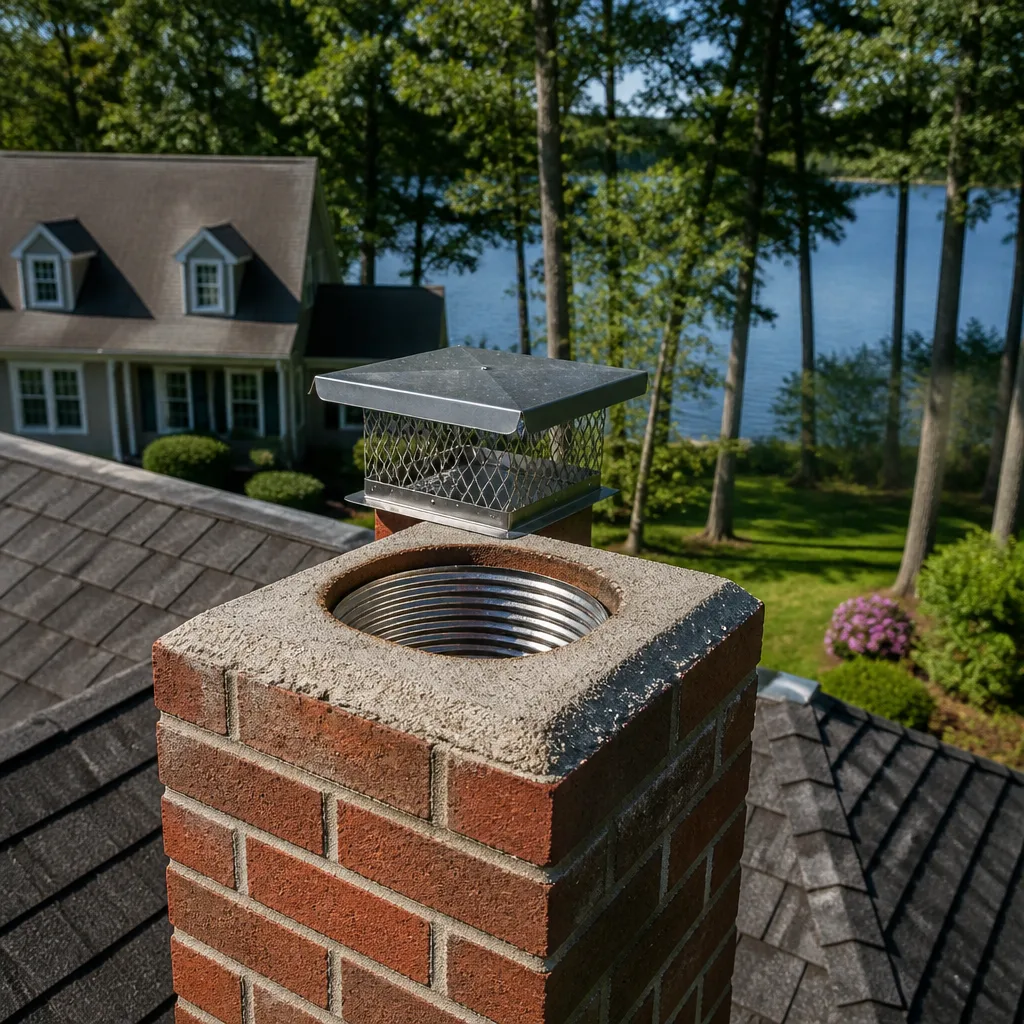 Flue relining
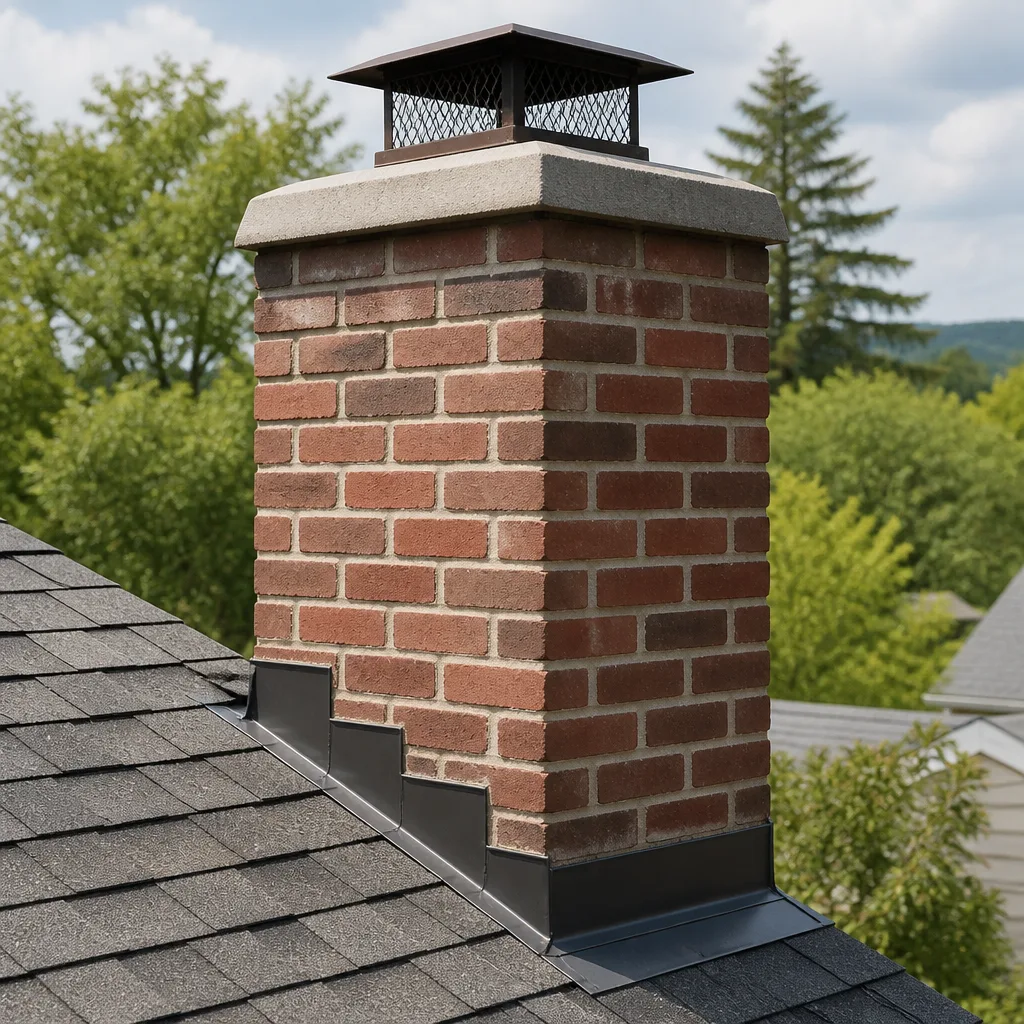 Masonry repair
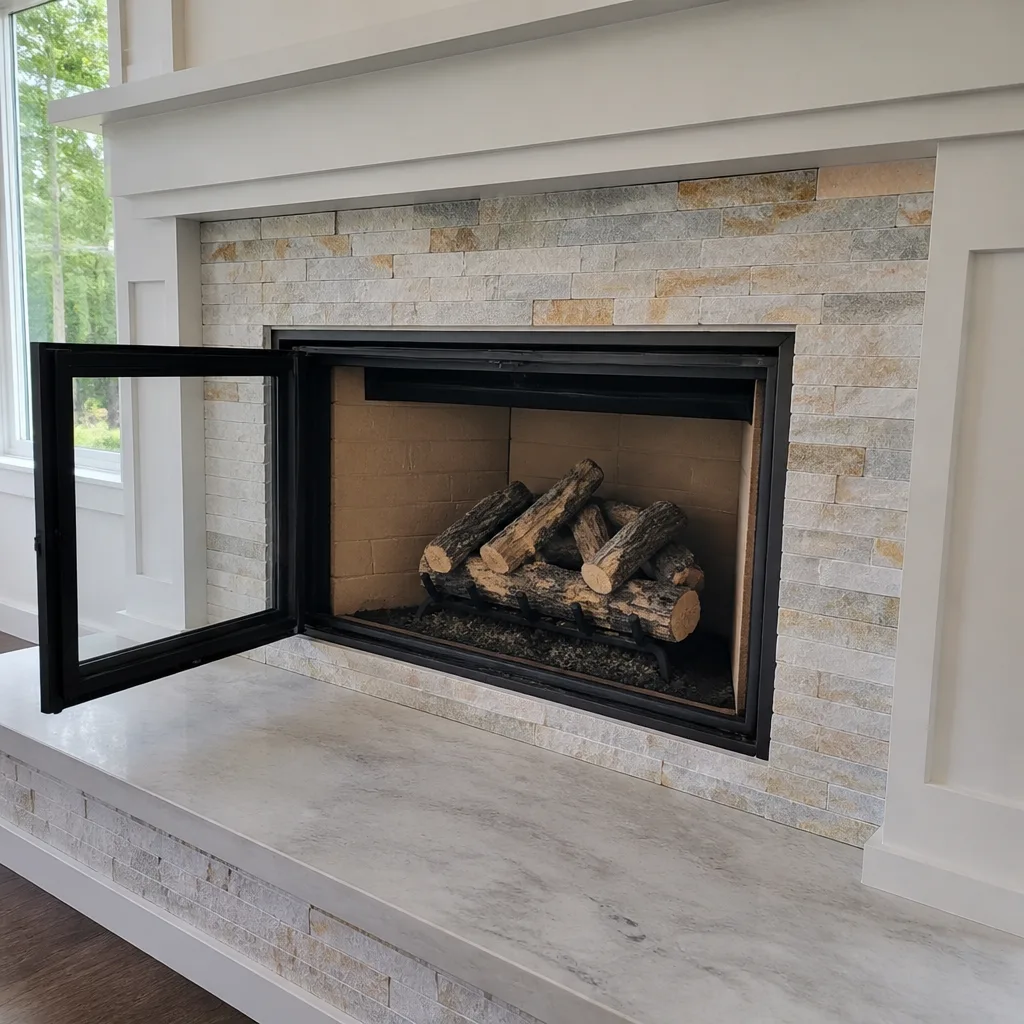 Gas fireplace service
Level 1 sweep and inspection to the NFPA 211 annual standard - flue, crown, cap, and flashing checked and photographed
Chimney sweep logs do not sweep chimneys. They loosen some creosote - which then falls where a brush and vacuum still have to collect it.
Chimney Cleaning Permits, Codes & Inspections in Newport Beach, CA: What You Need to Know
Most homeowners don’t think about a chimney permit until a buyer’s inspector asks about it. A routine sweep is maintenance and needs nothing from the city. A reline, a crown rebuild or a firebox reconstruction is a different category of work, one that falls under California building code and the review of Newport Beach Building & Safety. The gap between those two categories is where sales stall and where insurance questions get awkward. This guide draws that line clearly. You’ll learn when a permit is required in Newport Beach, what a code-compliant inspection for a real estate transaction actually involves, how unpermitted work surfaces at escrow, and why documented, professional-grade materials protect you long after the work is done.
Quick Answer
Routine chimney cleaning and sweeping in Newport Beach do not require a permit. Any work that alters the chimney structure or flue system, such as relining, crown replacement or firebox reconstruction, generally does require a permit from Newport Beach Building & Safety, with California Building Code standards as the baseline and Orange County fire codes layering on top. A real estate inspection is a separate, documented service from an annual cleaning, and the two are not interchangeable.
Styles & brands we work with
- Sweep & inspection
- Caps & crowns
- Flue relining
- Masonry repair
- Gas fireplace service
Table of Contents
- Where Maintenance Ends and Permitted Work Begins
- Who Has Jurisdiction Over Your Chimney in Newport Beach
- Real Estate Inspection vs. Annual Cleaning: What’s the Difference?
- How Unpermitted Chimney Work Surfaces in a Home Sale
- Why Professional-Grade Materials Create a Paper Trail
- What Chimney Work Costs in Newport Beach and Why
- A Step-by-Step Look at Permitted Chimney Work
- Common Mistakes to Avoid
- When to Call a Professional
Where Maintenance Ends and Permitted Work Begins
California Building Code draws a practical distinction between maintaining a chimney and altering it. A sweep, a visual inspection, a cap replacement on a standard flue and light firebox cleaning all fall on the maintenance side. Nothing about them changes the structure or its performance characteristics, so no permit is involved.
The line moves the moment the work involves the flue itself or the chimney’s structural shell. These categories commonly trigger a permit review in Newport Beach:
- Relining a flue with a new liner system, whether a stainless flexible liner or a cast-in-place resurfacing product
- Replacing a damaged or crumbling crown at the top of the chimney
- Reconstructing masonry in the firebox, smoke chamber or chimney stack
- Adding a new flue, changing the flue configuration, or converting a fireplace from wood-burning to a different fuel type
- Major repointing or rebuilding of the chimney above the roofline
There’s a reason the code treats these differently. A sweep removes creosote and soot; it doesn’t touch what contains the fire. A reline changes the flue’s diameter, its material and its resistance to heat. That has consequences for draft, for clearances to combustibles and for how the chimney performs under a chimney fire. The permit process exists to make sure someone qualified reviews those changes before the work is sealed behind masonry.
In our experience, homeowners often confuse “repair” with “maintenance” when a contractor uses the word loosely. If a repair changes the flue or the load-bearing structure of the chimney, ask directly whether the work requires a permit. The answer should be straightforward. If it isn’t, that’s your signal to get a second opinion. For work that stays on the maintenance side, a standard chimney sweep is all that’s needed.
Who Has Jurisdiction Over Your Chimney in Newport Beach
Newport Beach Building & Safety handles permitting for residential chimney work within the city limits. It reviews the scope, the materials specified and, for structural work, the drawings. Where a chimney penetrates the roof or abuts walls, the review can also touch on fire-separation requirements that fall under the local fire code.
Here’s the complication most homeowners don’t anticipate: California Building Code sets the statewide baseline, but Orange County and individual cities can adopt amendments and local ordinances that change the specifics. That means the permit requirements in Newport Beach aren’t necessarily identical to what applies in a neighboring city. The safest approach is to call Newport Beach Building & Safety directly with your scope of work, or have your contractor do it. Don’t assume a rule from another jurisdiction carries over.
For structural and fire-safety items, the review can also involve clearance requirements to combustibles around the chimney and flue. These are the requirements that matter most in homes where a fireplace sits close to framing or where an older chimney was built to standards that have since changed. A qualified contractor will know what the current review expects. That’s one practical argument for using a Newport Beach specialist rather than a general handyman who does chimney work occasionally.
When we scope a job that crosses into alteration, we walk the homeowner through what the permit will cover before any work starts. It avoids surprises later. If you’re not sure which side of the line your job falls on, a documented inspection is a sensible first step. You can find more on how we approach this in our chimney repair work.
Real Estate Inspection vs. Annual Cleaning: What’s the Difference?
A real estate chimney inspection and an annual cleaning are not the same service. An annual cleaning is about removing creosote and confirming the flue is clear enough to use. A real estate inspection is a documented evaluation of the chimney’s condition, typically conducted during a property transaction, that produces a written report a buyer, seller, lender or insurer can rely on.
Here’s what a code-compliant real estate inspection generally includes:
- Visual examination of accessible components. The firebox, damper, smoke chamber, flue interior, chimney exterior, crown and cap are all examined. Anything visible without demolition gets documented.
- A video scan where access allows. The flue interior is often recorded so the condition of the liner is on record, not just described.
- Clearance and structural assessment. The inspector notes visible signs of damage, deterioration, obstruction or improper installation, and whether clearances to combustibles appear adequate.
- A written report. Findings are documented with photos or video where possible, along with a description of what was found and what, if anything, needs attention.
The key difference from an annual sweep is the documentation. An annual cleaning produces a swept flue and a verbal summary. A real estate inspection produces a written record. That record is what a buyer’s agent, a lender or an insurance company will ask for. In Newport Beach, where home sales often move quickly and buyers are cautious, a documented inspection can smooth a transaction that would otherwise stall on an unanswered chimney question.
If a chimney hasn’t been serviced in several years and you’re preparing to sell, an inspection should come before the sweep. You want to know what’s there before anyone touches it, not after. That’s the order worth insisting on.
How Unpermitted Chimney Work Surfaces in a Home Sale
Unpermitted work tends to surface in two predictable places: the buyer’s inspection report and the insurance questionnaire. Neither is malicious. Both are ordinary due diligence, and both can turn a small paperwork gap into a real complication.
During a buyer’s inspection, a chimney specialist will often look for signs that work was done without a permit. Possible indicators include an unfamiliar liner material that doesn’t match a permit record, a crown that doesn’t match the chimney’s age, or masonry work that looks newer than the rest of the structure. None of these prove anything on their own. Together, they invite questions. A buyer’s agent may ask for documentation, and if there isn’t any, the buyer has three options: proceed with uncertainty, request a credit at closing, or walk away.
On the insurance side, the situation is more direct. Insurers ask about the age and condition of the chimney and flue. If a reline was done without a permit and without documentation, the homeowner may have difficulty showing the work was done to code. That’s not a defect in the work itself; it’s a gap in the record.
If you’re a seller who discovers unpermitted work, the practical steps are:
- Get a documented inspection to establish the current condition of the chimney
- Find out what the original work involved and whether it met code at the time
- Ask Newport Beach Building & Safety what, if anything, can be done to document or legalize the work retroactively
- Disclose the situation accurately to the buyer rather than hoping it stays buried
If you’re a buyer who discovers it, get your own inspection before closing. The report you have at negotiation is worth far more than the one you have after.
Why Professional-Grade Materials Create a Paper Trail
A reline done with a recognized liner system and a documented installation is a different product from one done with generic materials and no paperwork. That difference matters at resale, at insurance renewal and during any future inspection. It’s also why we carry and install parts from professional chimney supply brands rather than generic substitutes.
Three material choices matter most:
- DuraFlex flexible liner systems. DuraFlex liners are a recognized stainless flexible liner product used in relining work. A documented DuraFlex installation gives the homeowner a record of the liner’s specifications and the installation date.
- HeatShield resurfacing. HeatShield is a cast-in-place resurfacing system used to restore the flue from the inside without a full reline. It’s a distinctive option when the flue’s structure is intact but the interior lining has deteriorated. Documented HeatShield work is a repair record, not just a cleanup.
- Olympia Chimney and Copperfield components. Caps, crowns and related hardware from Olympia Chimney and Copperfield add up to a chimney that’s built with the same materials chimney specialists nationwide rely on.
Why does the paper trail matter? Because the person who eventually asks about your chimney won’t be you. It’ll be a buyer, an adjuster or an inspector. A documented installation makes that conversation short. “Here’s the liner specification, here’s the installation record, here’s the contractor” is a sentence a homeowner wants to be able to say. The alternative is “I’m not sure what was done” and a long pause.
What Chimney Work Costs in Newport Beach and Why
Chimney work in Newport Beach varies widely by scope and material. A routine sweep is a modest cost. A full reline is a larger project, and the range depends on flue length, access, liner material and whether the work is permitted. Below are typical ranges, not quotes. The written estimate sets the final price.
| Service | Typical Range (estimate) | Permit Typically Required? |
|---|---|---|
| Annual chimney sweep | $180 – $340 | No |
| Level 1 visual inspection | $150 – $275 | No |
| Level 2 documented inspection (real estate) | $300 – $550 | No |
| Cap replacement (standard) | $250 – $500 | Usually no |
| Crown repair or replacement | $450 – $1,400 | Often yes |
| HeatShield flue resurfacing | $1,200 – $2,800 | Often yes |
| DuraFlex stainless liner installation | $2,500 – $5,500 | Yes |
| Firebox or masonry reconstruction | $2,000 – $8,000 | Yes |
The ranges above are broader than a single estimate would be because they cover the real variation in Newport Beach homes: some flues are short and straight, some have offset sections that complicate liner access, and some chimneys sit close enough to adjacent structures that the installation requires different clearances. None of that is visible until the inspection. That’s why we inspect before we sweep.
Permit fees are separate from the work. The city sets those based on the job scope, so ask Newport Beach Building & Safety for an estimate of the permit cost before the project starts. It’s a small amount relative to the work, and it saves surprises. For a scope on the smaller side, our fireplace repair page covers what typically stays in the no-permit category.
A Step-by-Step Look at Permitted Chimney Work
The process for permitted chimney work in Newport Beach follows a predictable sequence. Here’s what a homeowner should expect, in order:
- Inspection and scope. A documented inspection establishes what’s there and what needs to change. This is where the decision between HeatShield resurfacing and a DuraFlex liner gets made, based on the condition of the flue.
- Contractor selection. The contractor should be licensed and insured as their state requires, and should be willing to pull the permit and schedule the inspection. Ask for the license number and confirm it before work begins.
- Permit application. The contractor or homeowner submits the scope and any required drawings to Newport Beach Building & Safety. The permit fee is paid at this point.
- Work performed to code. The installation follows the approved scope and the specified materials. A documented DuraFlex or HeatShield installation records the specification used.
- Inspection sign-off. The city inspects the completed work and issues a sign-off. This is the document that matters at resale.
- Records kept. The homeowner keeps the permit, the inspection sign-off, the material specification and the contractor’s report. This is the paper trail.
Steps 5 and 6 are the ones homeowners most often skip. The work looks done, so nothing more gets filed. But the sign-off is what a buyer’s inspector will look for, and the records are what an insurance adjuster will accept. For any Newport Beach Chimney Sweep Pros project, we walk the homeowner through the paperwork at the end so nothing goes missing.
Common Mistakes to Avoid
- Assuming a sweep and an inspection are the same appointment. A sweep cleans. An inspection documents. A real estate transaction, an insurance claim or a safety concern needs the documented version, and an annual sweep won’t satisfy that requirement alone.
- Trusting a contractor who says a permit isn’t needed without checking. Permit rules in Newport Beach differ from neighboring cities. If a contractor is certain no permit is needed for a reline, ask them to confirm with Building & Safety before starting. A legitimate answer takes minutes.
- Skipping the inspection before a sweep. If the chimney hasn’t been serviced in years, sweeping first can hide what was there. Inspect first, sweep second.
- Choosing a reline based on price alone. The difference between a documented DuraFlex or HeatShield installation and a generic one isn’t visible from the outside, but it’s visible in the records, at resale and at insurance renewal. Ask what liner system is being used and keep the specification.
- Doing the work without a contractor willing to pull the permit. A contractor who won’t pull the permit is asking you to take the risk. County and city code exist to protect the homeowner, and unpermitted work transfers that risk to the next owner.
- Discarding the inspection report and permit records. Keep everything in one place. A future buyer, insurer or inspector will ask for it, and “I think it’s in a drawer somewhere” is a position you don’t want to be in.
- Skipping the annual sweep because the fireplace isn’t used much. Creosote accumulates with use, but animal nests, debris and deterioration happen while the fireplace is dormant. In Newport Beach, where winters are mild and fireplaces often sit unused for months, an annual inspection still matters.
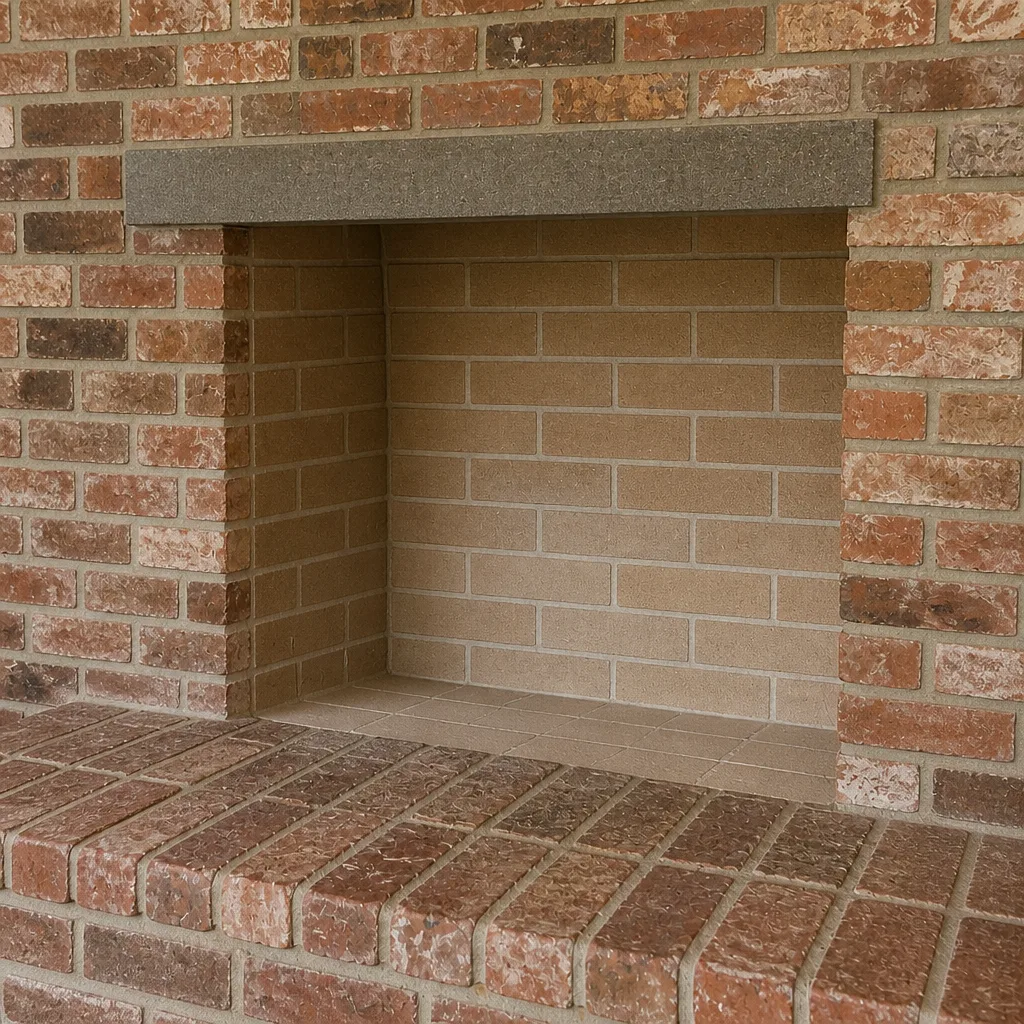
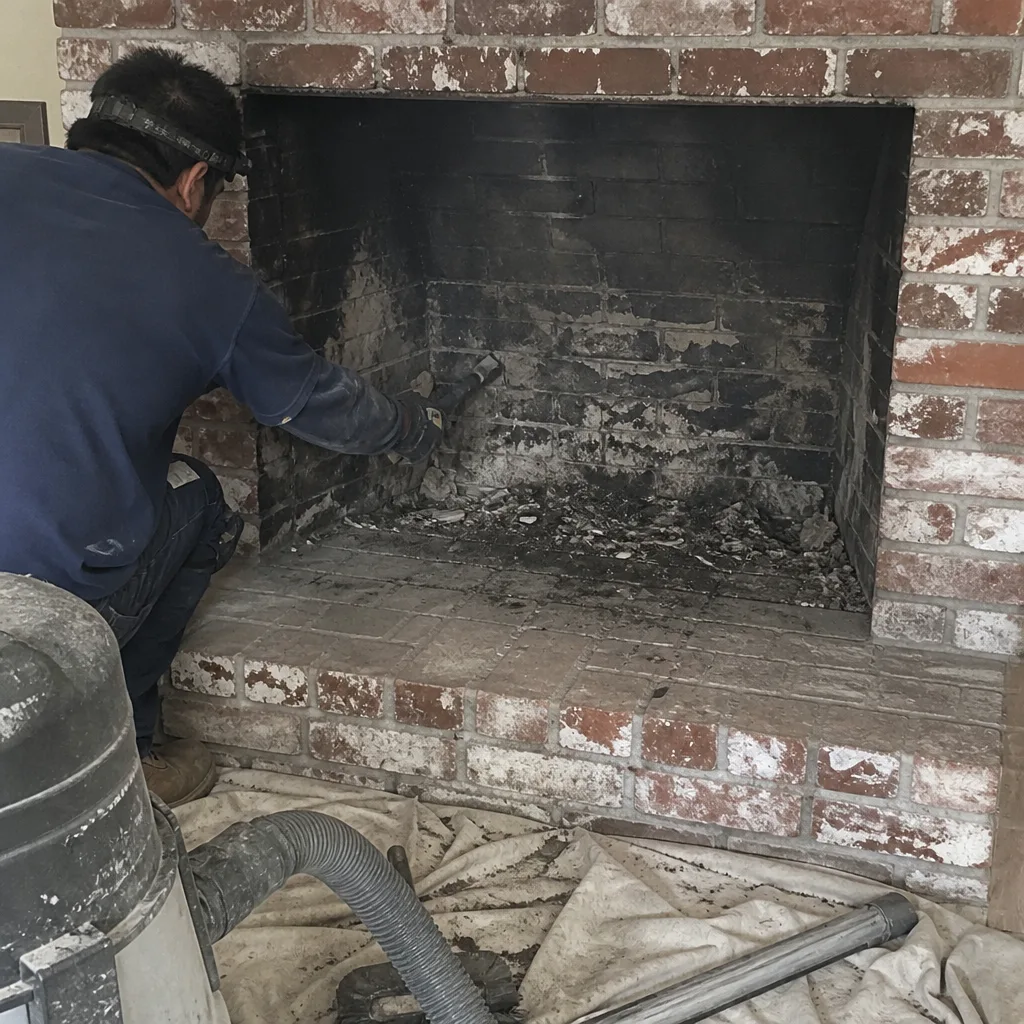
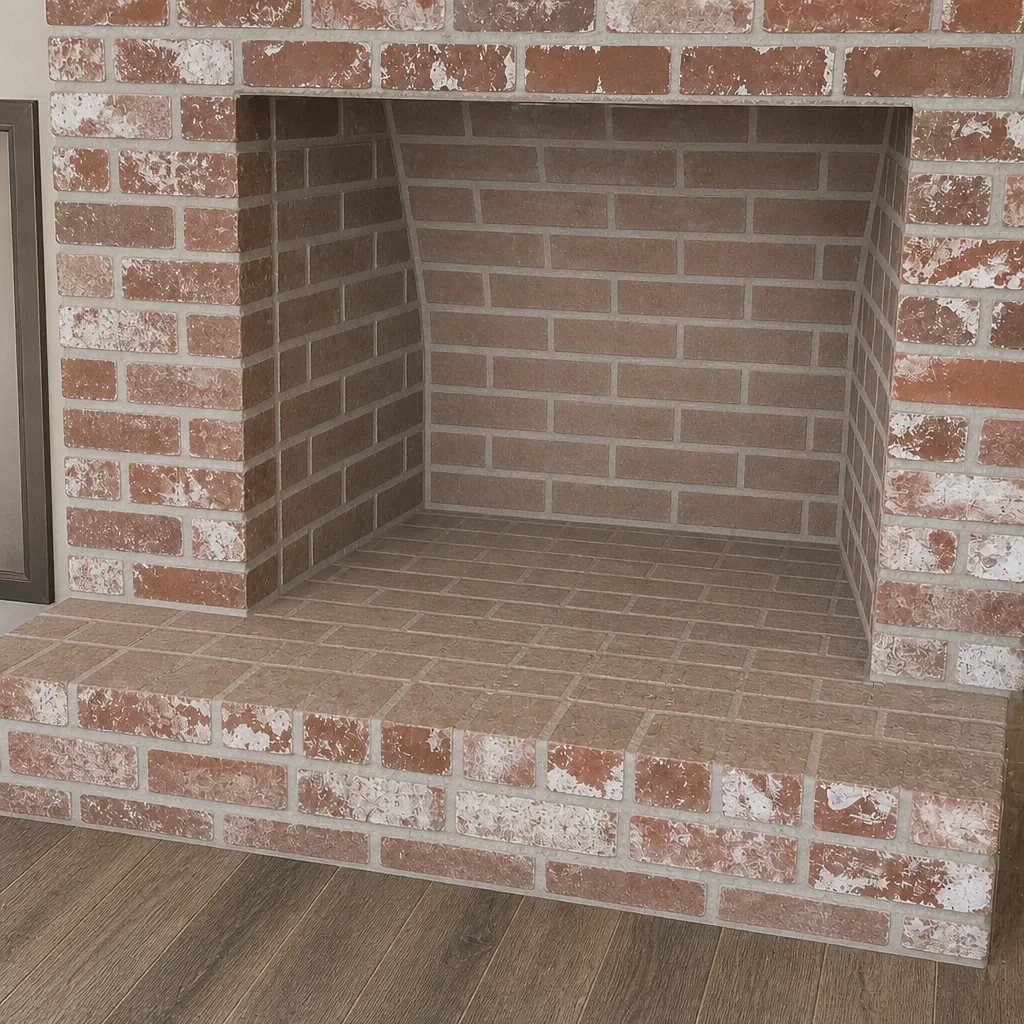
See the difference
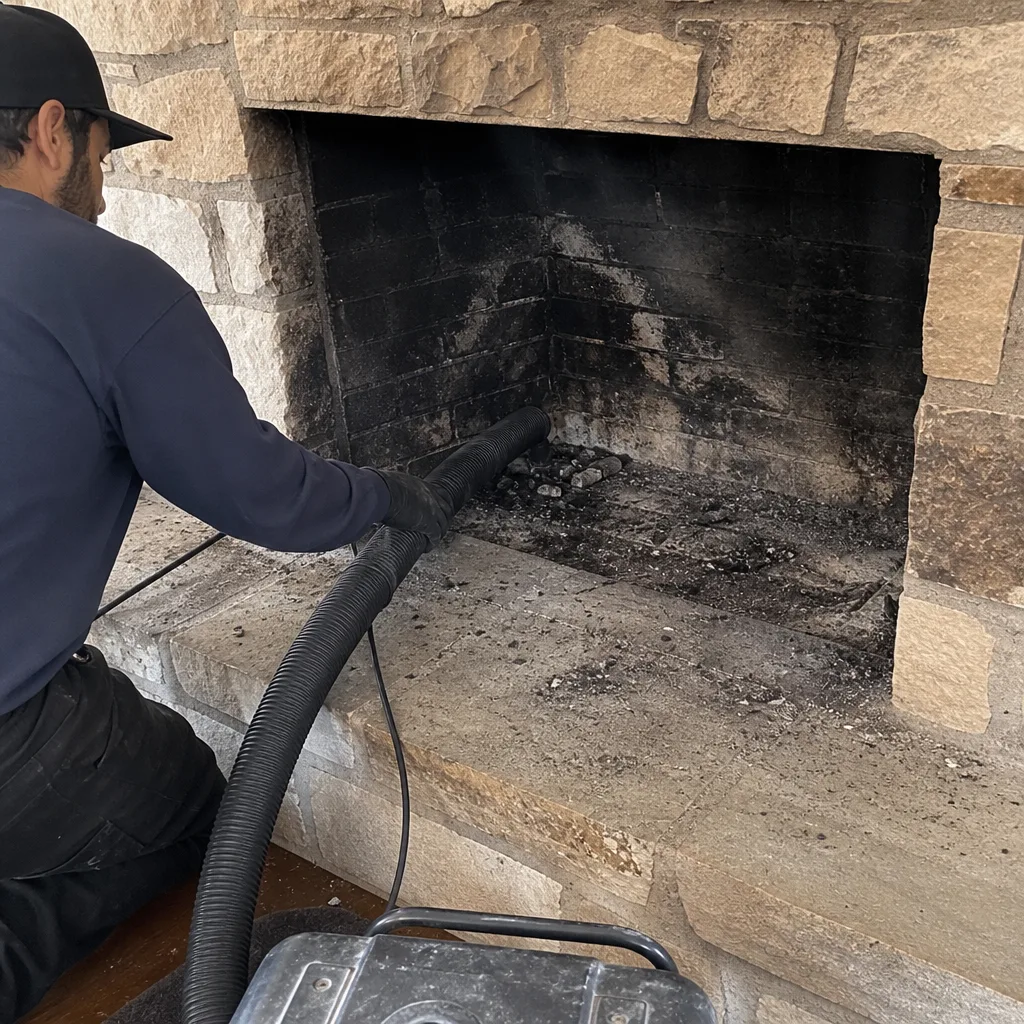 Before
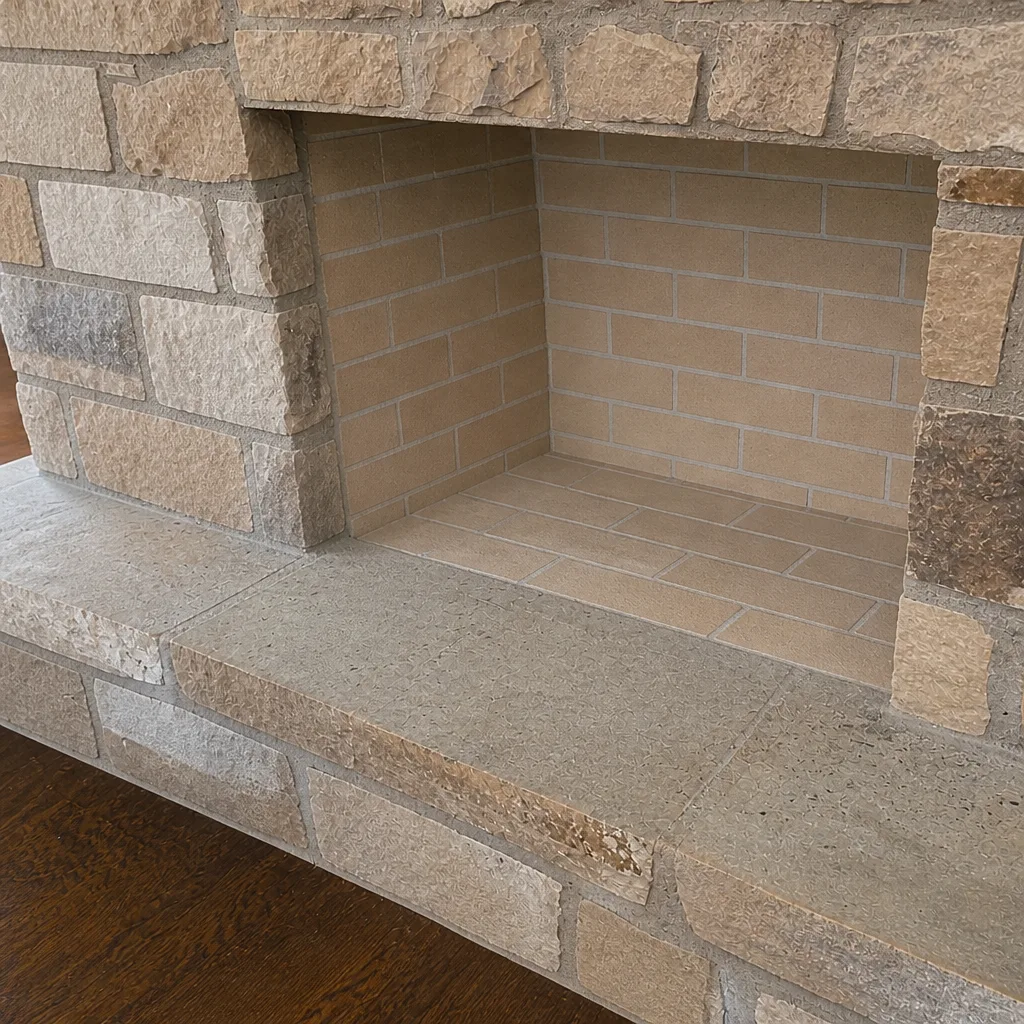 After
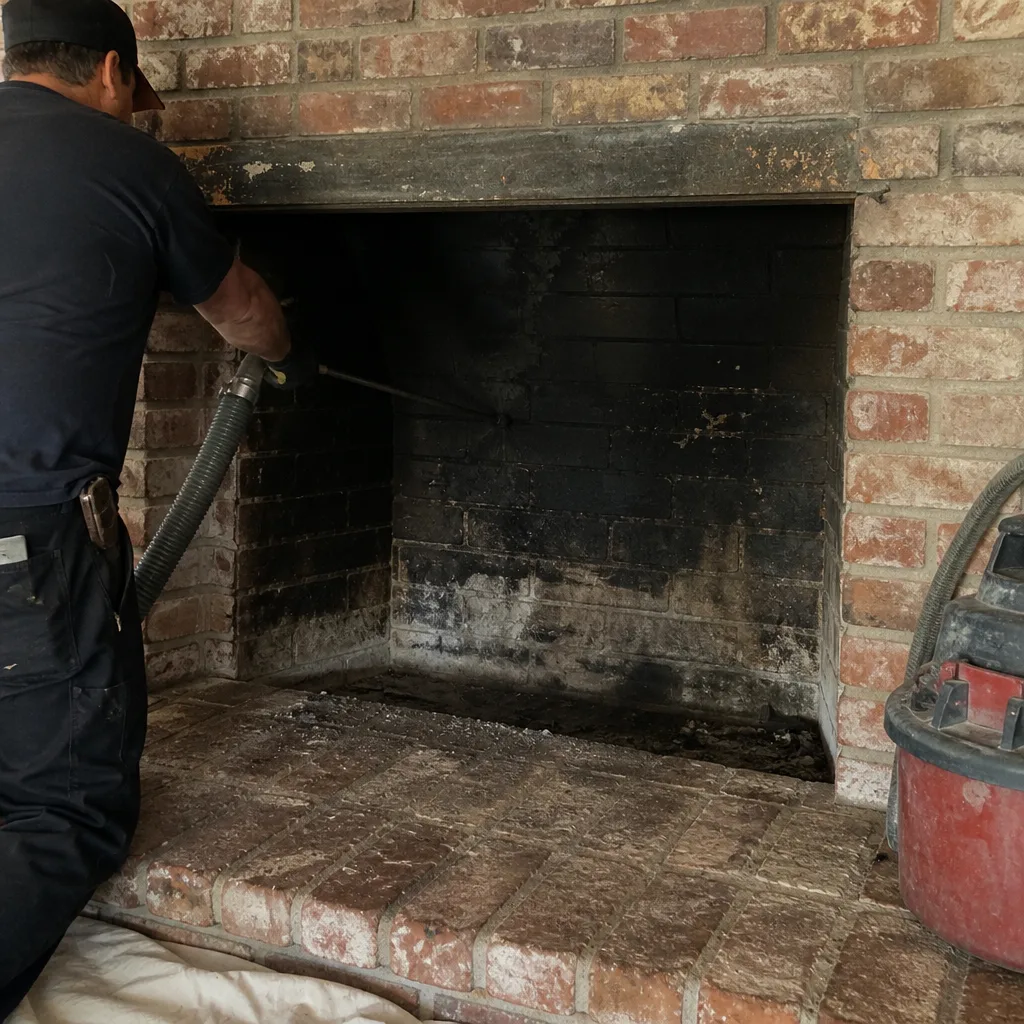 Before
 After
 Before
 After
When to Call a Professional
Some jobs belong with a specialist. If you’re preparing to sell and need a documented inspection for a buyer, if your insurance company has questions about your chimney’s condition, or if your fireplace hasn’t been serviced in several years and you want to know what state it’s in before you use it, that’s a professional scope. The same is true if a previous repair looks questionable and you want an honest opinion. Permitted work, relining, crown replacement and firebox reconstruction should always go through a licensed, insured contractor who pulls the permit and is willing to answer for the result. Newport Beach Chimney Sweep Pros offers free estimates in Newport Beach. Call (844) 573-0875. We answer 24/7. Fast dispatch from 7am to 7pm, Sunday through Friday.
Frequently Asked Questions
No. Routine chimney cleaning and sweeping in Newport Beach do not require a permit. The permit line is crossed when the work alters the flue or the chimney structure, such as relining, crown replacement or firebox reconstruction. Call (844) 573-0875 for an exact quote on a sweep or an inspection; estimates are free.
Yes, in most cases. Relining a flue alters the chimney’s flue system and generally requires a permit from Newport Beach Building & Safety, with the work reviewed against California Building Code standards. The specific scope determines the requirement, so confirm with Building & Safety before work starts. Call (844) 573-0875 and we’ll walk you through the likely scope.
A cleaning removes creosote and soot and confirms the flue is clear. An inspection evaluates the condition of the chimney, documents it in writing and produces a report a buyer, insurer or lender can use. A real estate transaction requires the documented version, not just a swept flue. Call (844) 573-0875 to book either service; estimates are free.
It can. Unpermitted work often surfaces through a buyer’s inspection or an insurance questionnaire, and the absence of a permit record can stall a transaction or lead to a request for a credit at closing. Getting a documented inspection and disclosing the situation accurately is the practical path forward. Call (844) 573-0875 for an inspection report you can hand to a buyer.
Typical ranges run from $180 to $340 for a sweep and $2,500 to $5,500 for a DuraFlex liner installation, with HeatShield resurfacing in the $1,200 to $2,800 range. Permit fees are set by the city and are separate from the work. The written estimate sets the final price. Call (844) 573-0875 for an exact quote; estimates are free.
Annually is the standard advice, and it’s a sound habit in Newport Beach even when the fireplace sees only occasional use. Debris, animal activity and slow deterioration happen whether or not the fireplace is lit. An annual inspection catches issues before they turn into repairs. Call (844) 573-0875 to book an inspection; estimates are free.
Recognized industry brands. We use DuraFlex flexible liner systems, HeatShield for resurfacing, Olympia Chimney and Copperfield for caps and crowns, and Famco for related components. The specific brand matters less than the documentation: ask for the material specification and keep it with your records. Call (844) 573-0875 and we’ll explain the material choice for your job.
The Bottom Line
The permit question comes down to a single distinction: maintenance or alteration. A sweep in Newport Beach is maintenance and needs nothing from the city. A reline, a crown replacement or a firebox reconstruction is an alteration, and it generally requires a permit from Newport Beach Building & Safety, with California Building Code as the baseline and Orange County fire codes layered on. A real estate inspection is a separate documented service from an annual cleaning, and the documentation matters more than the work itself at resale and at insurance renewal. Professional-grade materials from DuraFlex, HeatShield, Olympia Chimney and Copperfield create a paper trail that protects the homeowner long after the project ends. When in doubt, get a documented inspection first and keep the records. Call (844) 573-0875 for a free estimate. We answer 24/7. Fast dispatch from 7am to 7pm, Sunday through Friday.
Written by the team at Newport Beach Chimney Sweep Pros.