
Last updated November 25, 2026
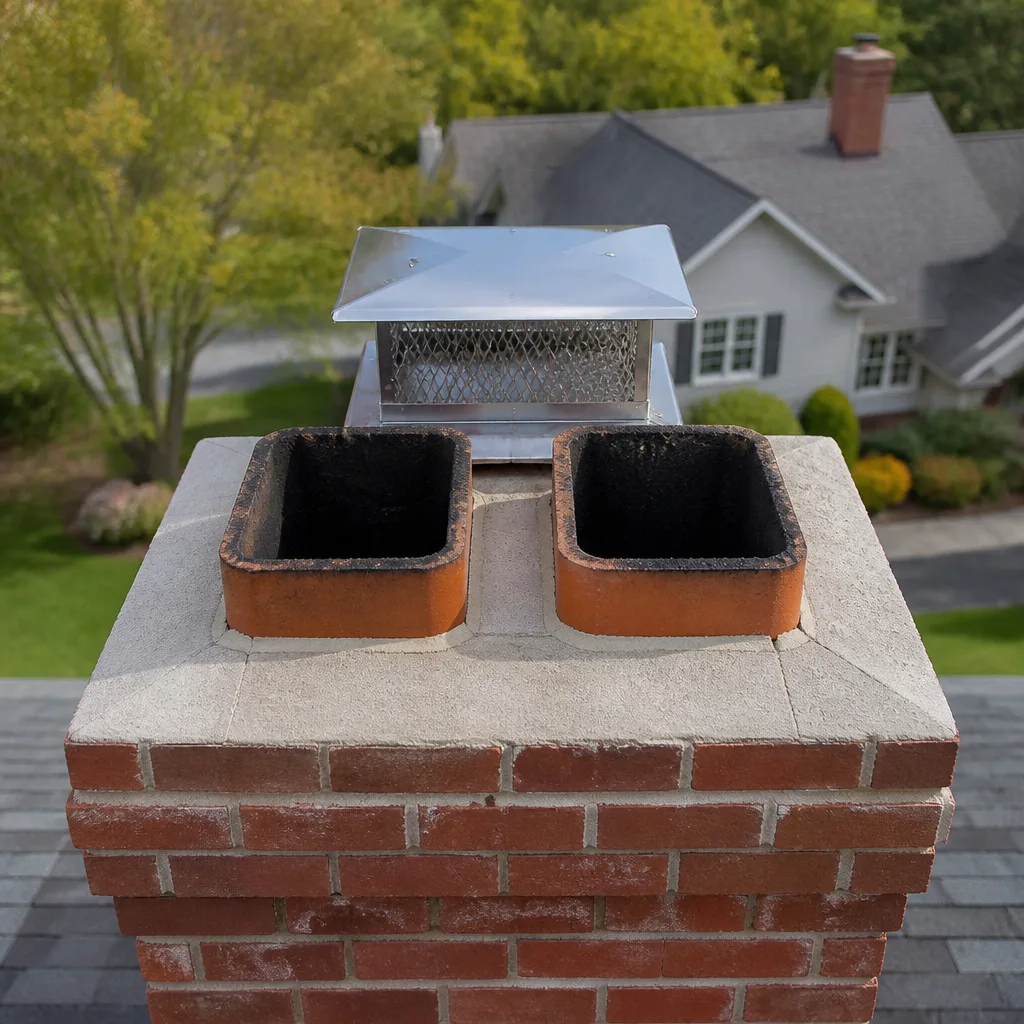 Sweep & inspection
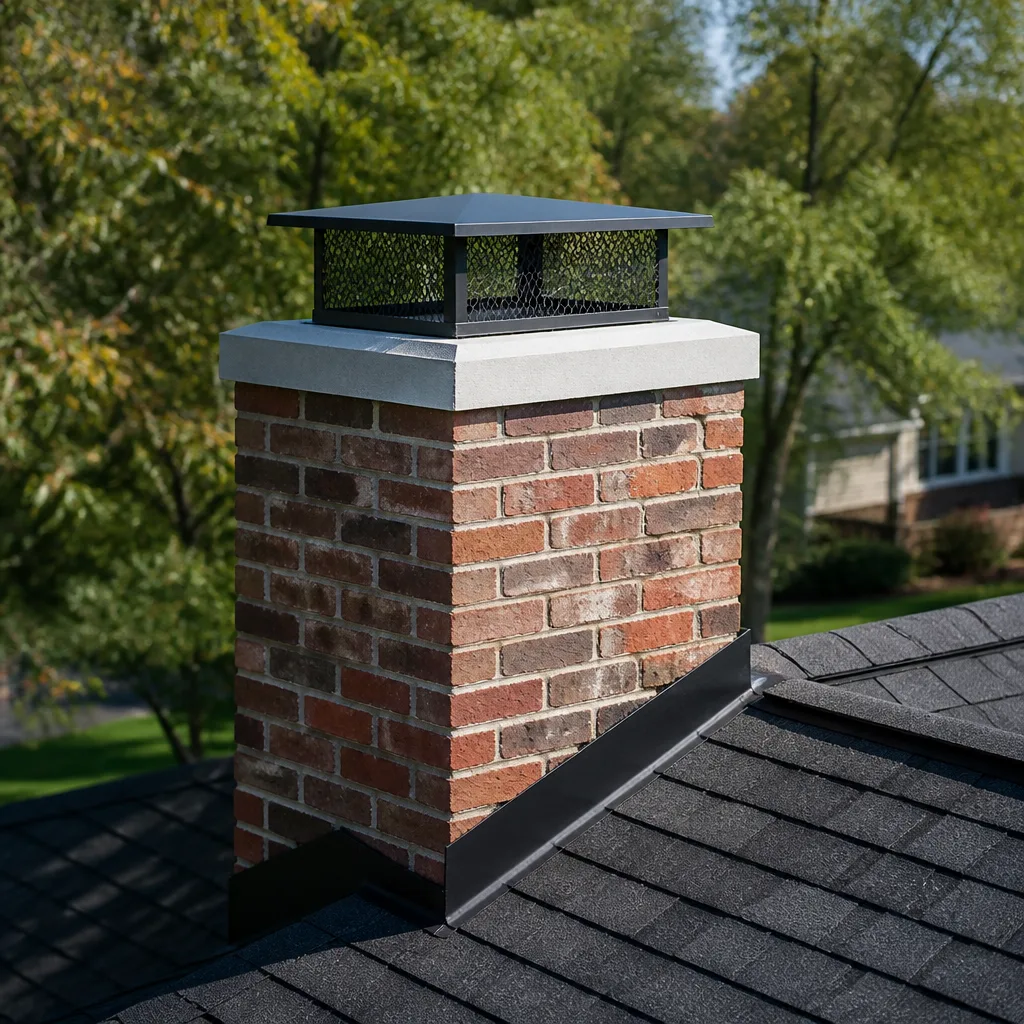 Caps & crowns
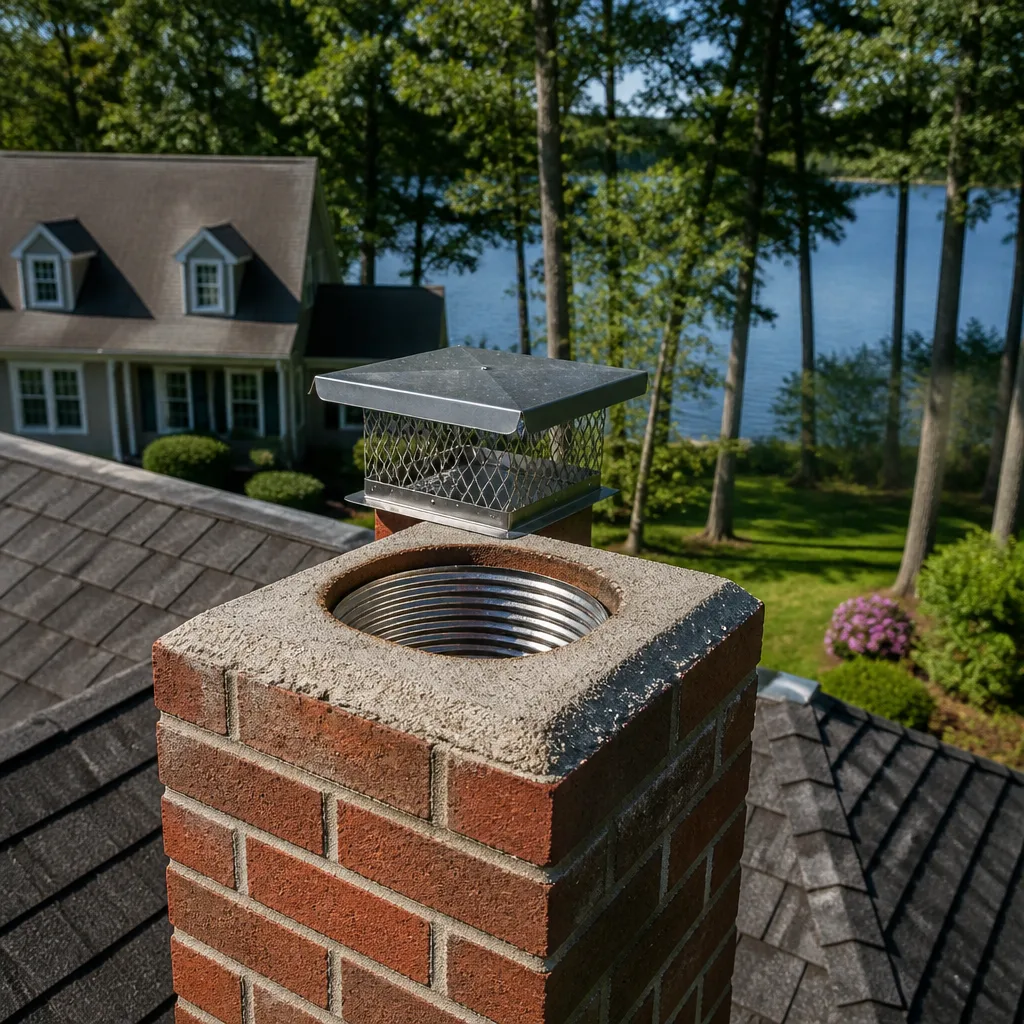 Flue relining
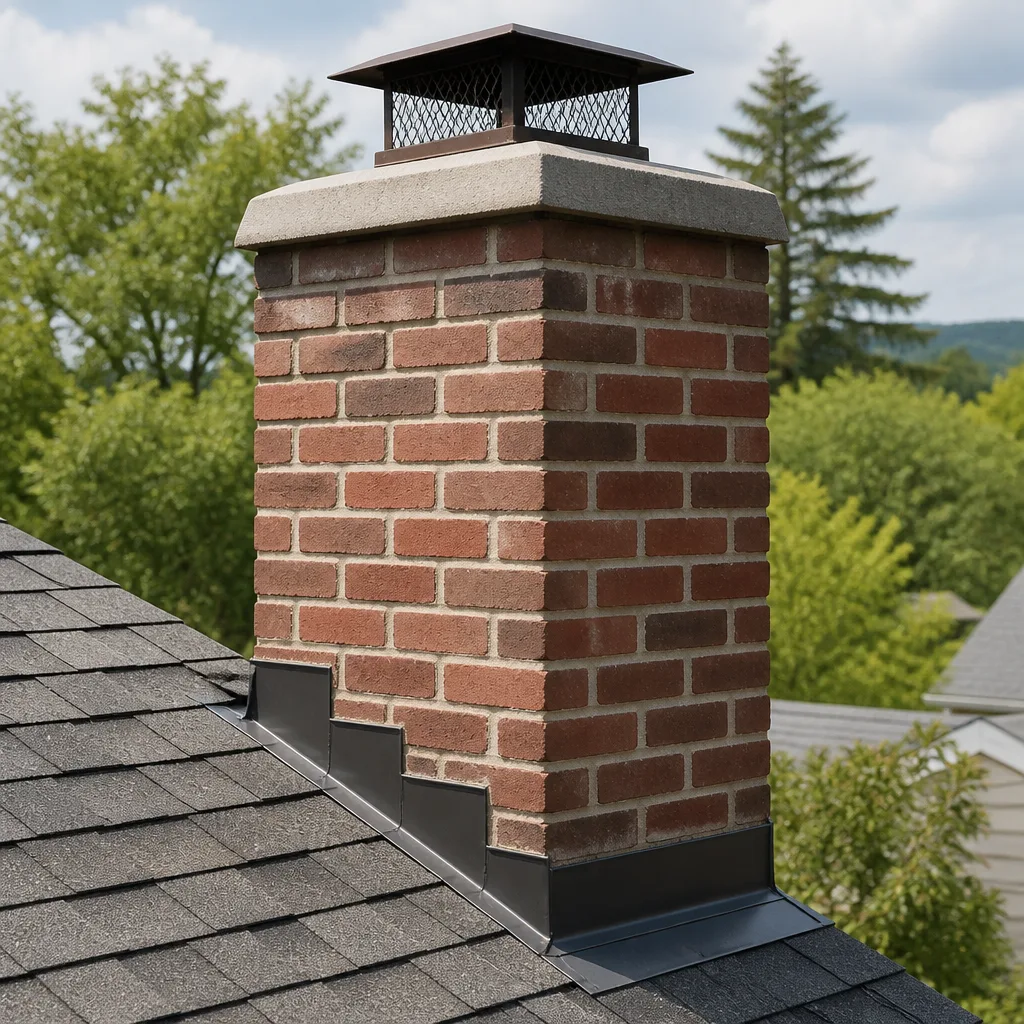 Masonry repair
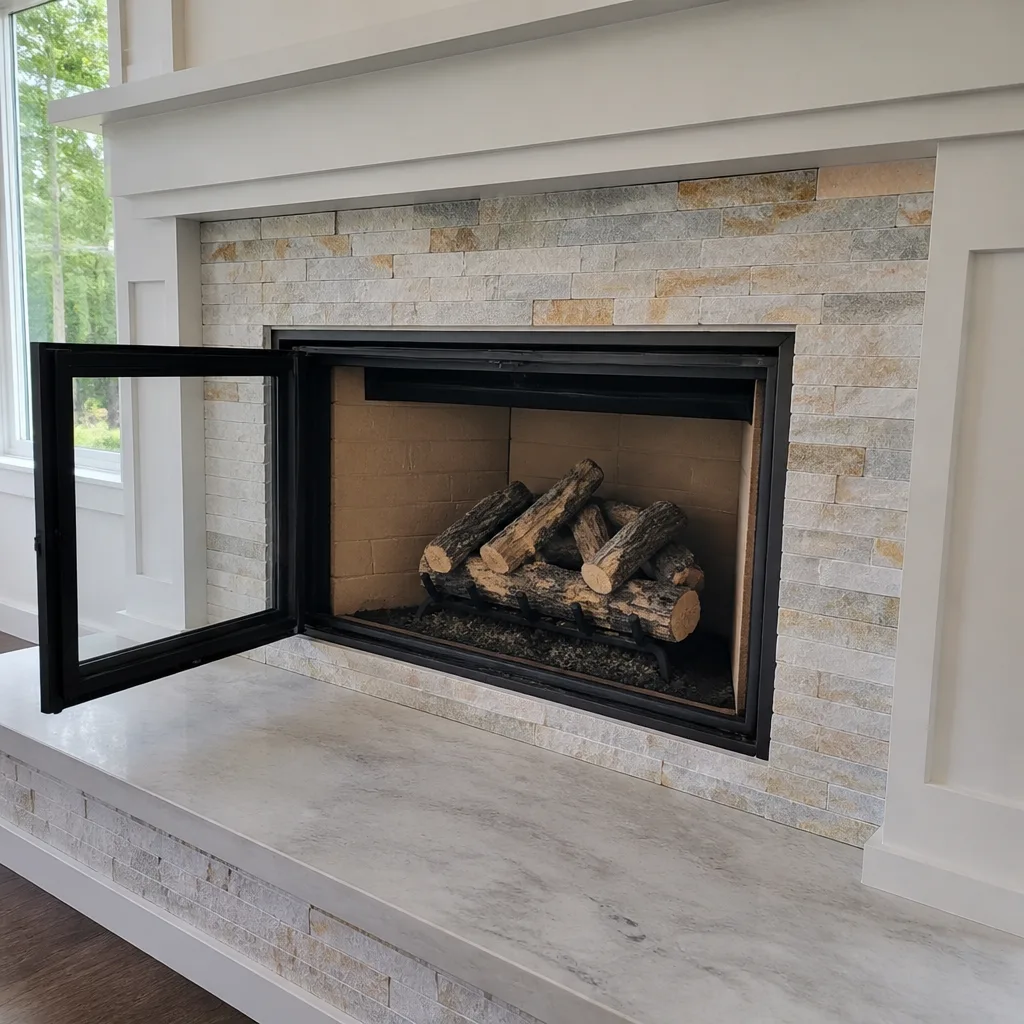 Gas fireplace service
Level 1 sweep and inspection to the NFPA 211 annual standard - flue, crown, cap, and flashing checked and photographed
Chimney sweep logs do not sweep chimneys. They loosen some creosote - which then falls where a brush and vacuum still have to collect it.
Chimney Cleaning Warning Signs: A Newport Beach Homeowner’s Reference Guide
The smell of a chimney problem often shows up a full season before the visual evidence does. If your living room smells like a campfire on a humid morning when the fireplace hasn’t been used, that’s not a quirk of the weather. It’s usually a draft reversal telling you something is wrong with your flue. Most chimney warning signs are visible or smellable by the homeowner long before they become emergencies. The hard part is knowing which signals mean “schedule soon” and which mean “don’t light another fire until this is inspected.” This guide draws that line for Newport Beach homeowners, organized by severity rather than by component, so you can act without second-guessing.
Quick Answer
A chimney needs cleaning or inspection when you notice any of these: a strong campfire smell in the room when the fireplace is off, dark staining or white powder on the firebox walls, cracked or loose exterior mortar, rust streaks inside the flue, or a damper that no longer seals. Any one of these means it’s time to book a professional sweep and inspection in Newport Beach. Two or more together, or smoke rolling back into the room, means stop using the fireplace until a technician looks at it.
Styles & brands we work with
- Sweep & inspection
- Caps & crowns
- Flue relining
- Masonry repair
- Gas fireplace service
Table of Contents
- Smell-Based Warning Signs: When Odor Means Trouble
- Visual Signs Inside the Firebox That Point to Liner Damage
- Exterior Signs You Can Read From the Ground
- The Two Thresholds: “Schedule Soon” vs. “Stop Using It Now”
- Warning Signs in Prefab Metal Chimneys and Condo Units
- What Creosote Looks and Smells Like at Each Stage
- Seasonal Timing for Newport Beach Chimneys
- What a Proper Inspection Actually Covers
Smell-Based Warning Signs: When Odor Means Trouble
Chimney odor is the warning sign homeowners notice first and trust least. A faint smoky smell on a damp morning is common in any home with a fireplace, especially when the outside air is heavy and humid. That’s normal, and it usually fades once the fireplace has been used and the flue warms up. What isn’t normal is a smell that arrives when the fireplace is completely cold, or one that gets stronger the longer the fireplace sits unused.
Here in Newport Beach, the mild, humid winters change how chimney odor behaves. Cool, moist air sitting over a warm house can push air down the flue rather than pulling it up. When that happens, the smell of old creosote and soot in the flue gets pushed into the living room instead of up and out. That’s a draft reversal, and it’s a signal that your flue isn’t venting the way it should.
Here’s how to tell the difference between normal odor and a problem worth a call:
- Faint smoke smell on a humid morning, fireplace recently used: normal. Nothing to do beyond opening a window.
- Strong campfire smell in a cold room, fireplace unused for days: draft reversal or creosote off-gassing. Schedule an inspection.
- Smell that gets worse when the heat kicks on: your house is pulling air down the chimney to feed the furnace. This points to a pressure or flue sizing problem.
- A sharp, bitter, almost chemical smell: creosote at a higher stage of buildup, or a liner that’s failing. Stop using the fireplace until it’s checked.
We’ve seen this pattern in Newport Beach homes near the water and up in the hills alike. The smell shows up first, months before any visual evidence of a problem. If you’re smelling something you can’t explain, a proper chimney sweep and inspection is the honest way to find out what’s going on. We inspect before we sweep, so you know exactly what you’re working with rather than what a cursory glance suggests.
Visual Signs Inside the Firebox That Point to Liner Damage
Soot is normal. Soot is expected. What you’re looking for is anything that indicates the structure underneath the soot is breaking down. Inside the firebox, three signs stand out, and each one tells a different story about how far the damage has gone.
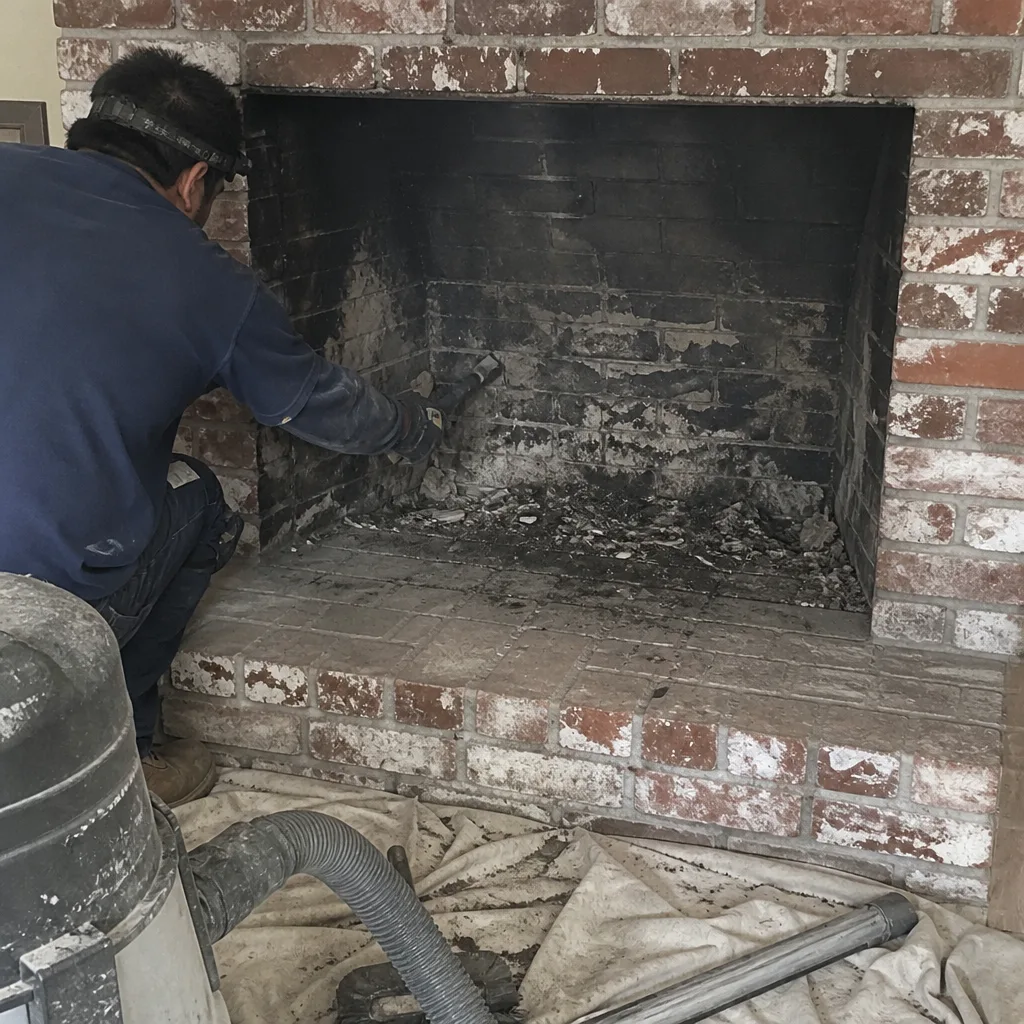
Spalling. Spalling is when the surface of the firebrick or mortar flakes, chips, or crumbles away. It looks like bits of gray or tan material missing from the brick faces or collecting at the bottom of the firebox. Spalling is a strong indicator of moisture getting into the masonry. Left alone, it will work its way from the firebox up into the chimney structure.
Efflorescence. That white, powdery, salt-like residue on the firebox walls isn’t ash. Efflorescence is the mineral deposit left behind when water moves through masonry and evaporates at the surface. It means water has been entering the chimney, and it means the masonry is being eaten away from the inside even if the outside looks fine.
Rust streaks. Rust streaks in a fireplace usually appear near metal components: the damper, the damper frame, a liner, or the firebox seams. Rust means moisture and metal are in direct contact. On a masonry chimney with a metal liner, rust streaks can be a sign of a failing liner system.
If any of these three signs is present, that’s the point where a visual inspection from a technician makes sense. Surface soot is cosmetic; spalling, efflorescence, and rust indicate the structure is being compromised. If the inspection shows a damaged liner, a resurfacing system like HeatShield can often restore it without the cost of a full relining. When the liner is beyond resurfacing, a DuraFlex flexible liner system is the standard fix, and we install it directly.
Exterior Signs You Can Read From the Ground
You don’t need to climb on the roof to read most chimney problems. Newport Beach homes, whether in Costa Mesa-adjacent neighborhoods, near the Back Bay, or up on the hills, all share the same basic masonry anatomy. That anatomy tells you a lot from ground level. Look for three things.
- Staining patterns on the chimney breast. Dark vertical streaks running down the outside of the chimney are water tracks. They tell you rain or dew is entering somewhere above and traveling down the masonry. Water on the inside is what leads to efflorescence and spalling in the firebox.
- Mortar joint color changes. Freshly crumbling mortar looks lighter, chalkier, or more granular than healthy mortar. Healthy joints hold a firm, slightly darker texture. If a joint runs when you press a thumbnail into it, the mortar has lost its bind.
- Crown cracking profiles. The crown is the sloped concrete cap at the very top of the chimney. Any visible crack running across it, any crumbled edge, or any separation between the crown and the flue tile is a maintenance problem. Cracked crowns are the number one entry point for water in a masonry chimney.
Here in Newport Beach, the mild climate can make exterior problems progress slowly, which is exactly why they get missed. There’s no dramatic freeze to break the mortar overnight. Instead, small cracks go unnoticed until the interior damage has had a whole season or more to develop. If you see staining or a cracking crown, it’s worth booking a cap and crown inspection. A chimney cap isn’t optional maintenance. It’s the difference between a dry flue and a crumbling one. We install caps and crowns using Gelco and Famco components built for longevity, so the fix is permanent rather than a patch.
The Two Thresholds: “Schedule Soon” vs. “Stop Using It Now”
This is the section most homeowners need and rarely find. Not every warning sign is urgent, and treating every sign as an emergency makes people tune out the signs that genuinely matter. Categorize by severity and you can act cleanly.
Schedule an Inspection Within 30 Days
- Faint smoke smell when the fireplace is off, but no smoke inside the room during use
- Dark staining on the chimney exterior without visible crumbling
- White efflorescence on firebox walls but no spalling
- Minor cracking of the crown but no separation from the flue tile
- Creosote visible in the flue but no blockage
- A fireplace that’s never been cleaned in a year or more
Stop Using the Fireplace Until It’s Inspected
- Smoke spilling back into the room when the fireplace is lit
- A chemical or bitter smell when the fireplace is off
- Visible spalling or pieces of material coming loose inside the firebox
- Rust streaks inside the flue or around the damper
- A damper that won’t open, close, or seal properly
- Any visible crack running through firebox brick itself
- A chimney fire of any size, in any season
The “stop using it now” list isn’t a scare tactic. Each item on it involves a path for smoke, carbon monoxide, or fire to reach the inside of the house instead of going up and out. A creosote fire in the flue is the risk that worries us most when we’re inspecting. Creosote is highly flammable as it builds up, and a chimney fire can burn hot enough to damage the flue structure without ever showing an obvious flame at the top. Smoke rolling into the room and rust streaks are the two signs we’d flag fastest. A carbon monoxide concern belongs on this list for a reason: any issue that blocks the flue can push exhaust gases into the living space instead of the outdoors.
If anything on the “stop” list describes what you’re seeing, close the fireplace. Call (844) 573-0875 and book an inspection before you light another fire. We answer 24/7.
Warning Signs in Prefab Metal Chimneys and Condo Units
Not every Newport Beach chimney is masonry. Many condos and townhomes, especially the ones built or updated in the last few decades, use prefab metal chimneys with a metal firebox or fireplace insert. These systems work differently from masonry, and they give off a different set of warning signs. Reading a prefab chimney like a masonry one is a common mistake.
Where masonry shows staining, prefab tends to show metal changes. Here’s what prefab owners should look for:
- Discoloration on the flue panels. Warping or blue-to-purple discoloration on the visible firebox metal is a sign the metal has been exposed to excessive heat at some point. Any color change from the original finish warrants a look.
- Loose or cracked gaskets. Prefab fireboxes use gaskets at the door and panel seams. A gasket that’s dried out or cracked can let heat escape into the surrounding wood frame.
- Rust anywhere. Rust on prefab is a structural sign, not a cosmetic one. Prefab panels are thinner than masonry, so rust eats through faster.
- Visible gaps in the flue sections. Prefab chimneys are built from stacked sections. A misaligned joint, a missing support, or a visible gap where two sections meet is a serious problem.
- Bad insulation around the flue. Prefab systems depend on clearance to combustibles. If insulation has shifted or fallen away, the clearance is compromised.
- Any change in how the fire behaves. A prefab fire that used to draw well and now smokes, sputters, or smells strongly is telling you the sections aren’t sealing anymore.
For condo owners in Newport Beach, the harder issue is knowing who’s responsible for the flue. In many condo buildings the chimney passes through shared structure, which means chasing signs back to their source may involve the HOA. What we can always do is inspect the firebox and the flue from inside the unit and document what we find with photos, so you have clear evidence for whoever needs to act.
What Creosote Looks and Smells Like at Each Stage
Creosote is the byproduct of burning wood, and it’s the single biggest fire risk in any chimney. It builds up in stages, and each stage is progressively harder to remove and progressively more flammable. Knowing what stage you’re looking at helps explain why some cleanings are routine and others need to be scheduled before a fire is lit.
- Stage 1: light, flaky soot. Dusty, gray-to-black flakes you can usually see with a flashlight when you peek up the flue. This is the routine end of the spectrum and comes off in a normal sweep.
- Stage 2: crusty, flaky, brown-to-black. The creosote has bonded to the flue. It doesn’t come off with the same light brush as Stage 1. It’s noticeably more flammable and can sound harder if you tap the flue wall.
- Stage 3: glazed, shiny, hard. This is the dangerous stage. The creosote has been baked onto the flue surface into a shiny, tar-like glaze. It’s very hard to remove without specialized tools. This stage is far more likely to catch and sustain a chimney fire.
The smell of creosote at higher stages is the bitter, chemical smell we mentioned earlier. When a fireplace smells like that, or when the smell survives after the fireplace has been cold for days, we treat it as a sign of high-stage buildup until an inspection says otherwise.
Keeping creosote from reaching Stage 2 or 3 is what routine cleaning is for. A professional-grade cleaning removes buildup before it bakes into the flue wall. Our technicians have up to 13 years of experience and use the standard professional method: inspection first, then a proper sweep, then a photo report of what came out and what’s still there. That’s the accountability that separates a real sweep from a quick brush-off. If you want to know what the sweep covers, our chimney sweep page walks through the process.
Seasonal Timing for Newport Beach Chimneys
Newport Beach winters are mild. There’s no long stretch of deep cold to force the fireplace into constant use, and that changes the timing in ways that catch people off guard. The fireplace might sit unused for months, then get a burst of daily use when the temperature drops. That pattern is exactly what makes late summer and early fall the practical season for a sweep and inspection.
- Late summer (before the first cool evenings): the ideal window. Creosote from last season has had months to settle. A sweep clears it before the season starts. Any repairs discovered in the inspection can be scheduled calmly rather than under pressure.
- Early fall: still a good window, but scheduling starts to fill up. If you noticed any warning sign in the spring and put off the call, now’s the time to act.
- Mid-winter: the busiest time if something has gone wrong. A fireplace that suddenly smokes or smells off at this point is telling you the flue has a problem that built up last season.
- Spring: good timing for repairs rather than cleaning. Cap and crown work, or a fireplace repair that needs dry weather, is easier to schedule in the spring.
If a fireplace in a Newport Beach home goes dormant for a season and comes back into use in the fall, that first lighting is when you’ll notice a problem if one exists. Get ahead of it with a summer or early fall inspection and you’ve removed the guesswork from the whole season.
What a Proper Inspection Actually Covers
An inspection is not a cursory look before a sweep. A real inspection is a documented step with its own process, its own findings, and its own report you can rely on. For anyone considering a home purchase, reopening an insurance question, or worrying about a fireplace they don’t fully trust, that documentation is the whole point.
Here’s what a proper inspection involves in our process:
- Firebox inspection. Brick condition, mortar joints, and evidence of spalling or efflorescence.
- Damper check. Does the damper open fully, seal when closed, and move without grinding? A damper that fails either way is a problem.
- Flue interior inspection. Camera and visual assessment of the full length of the flue, checking for creosote stage, cracks, separation, and blockages.
- Connections and liner. Where the firebox meets the flue, and whether the liner system is intact end to end.
- Chimney exterior. Crown, cap, mortar joints, staining, and overall structure.
- Photo documentation. Every finding recorded with photos and a written note about what it means and what it doesn’t.
The promise here is simple: nothing gets recommended without evidence you can see for yourself. If the inspection comes back clean, that’s what we tell you. If a repair is genuinely urgent, the photo shows why. And if a repair can safely wait, we say so.
If you’re dealing with a fireplace that’s never been inspected, a home you’ve just bought, or a repair you’ve been told you need but can’t verify, our chimney repair page walks through the common issues and what each one really requires. For firebox-level work like a damper or an insert, the fireplace repair page covers the firebox end of the system. For the full account of the business and its services, visit Newport Beach Chimney Sweep Pros.
Common Mistakes to Avoid
- Treating smell as cosmetic. A faint campfire smell on a humid morning can be normal, but a smell in a cold, unused room is a sign of draft failure or off-gassing. Ignoring it means ignoring the earliest warning you’ll get.
- Judging a fireplace by how it looks. A clean-looking firebox can hide a failing liner, and a stained chimney exterior can be perfectly sound. The visible surface isn’t the whole story, and in a Newport Beach home that sits unused for months, the mismatch is more common than you’d think.
- Skipping the crown because it “looks fine.” The crown is small and rarely looks wrong until it’s leaking. If it hasn’t been checked in a year or more, add it to the inspection list rather than the “looks fine” pile.
- Using a generic hardware-store cap on a specialty flue. A cap that doesn’t fit the flue properly can create its own draft problems. We install caps and crowns using Gelco and Famco components built to match the flue, not just cover it.
- Cleaning without inspecting. A sweep-only call that never checks the liner, damper, and crown misses what caused the buildup in the first place. Inspection first, sweep second, always.
- Assuming prefab metal chimneys need no maintenance. Prefab systems degrade differently from masonry, and the visual tells are different, but they still need to be swept and inspected.
- Waiting for smoke before acting. By the time smoke rolls back into the room, the flue has usually had a problem for weeks or months. Act on the smell and the visual signs, not on a visible emergency.
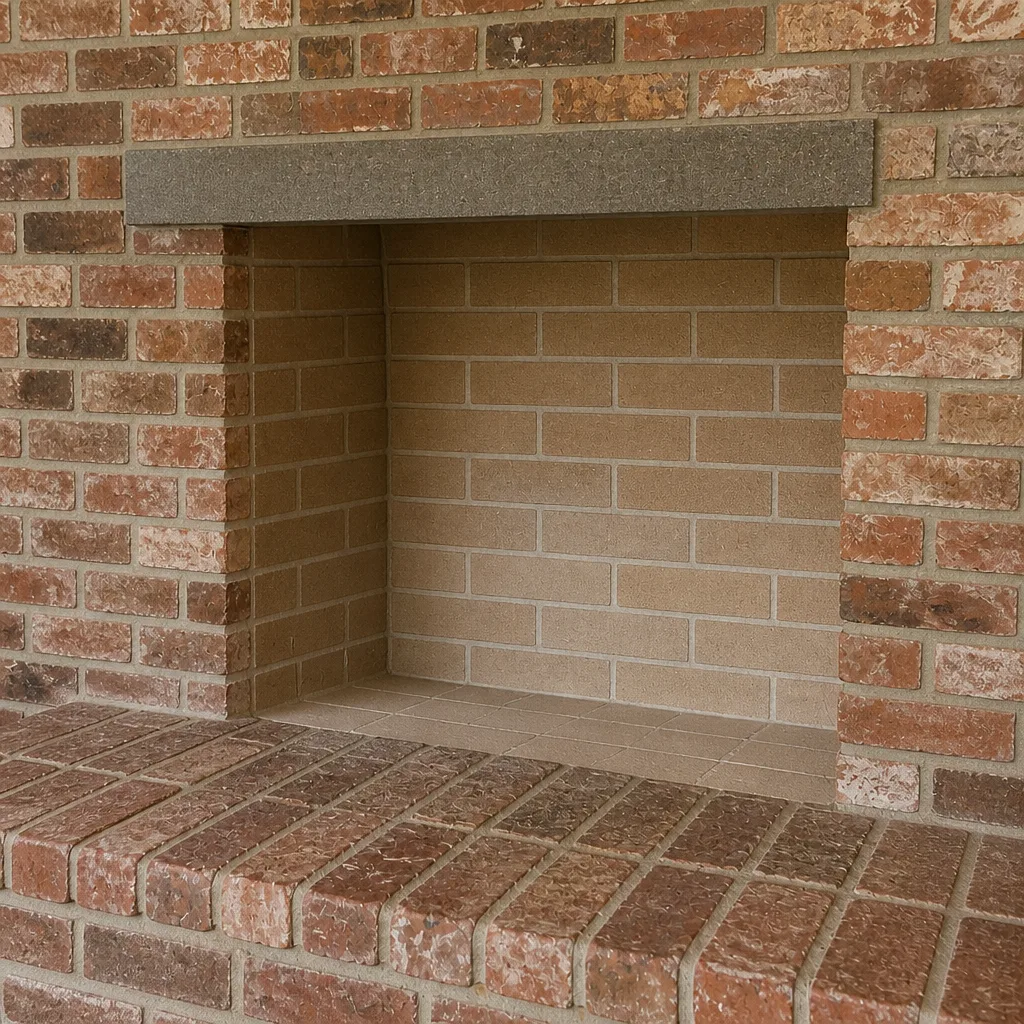
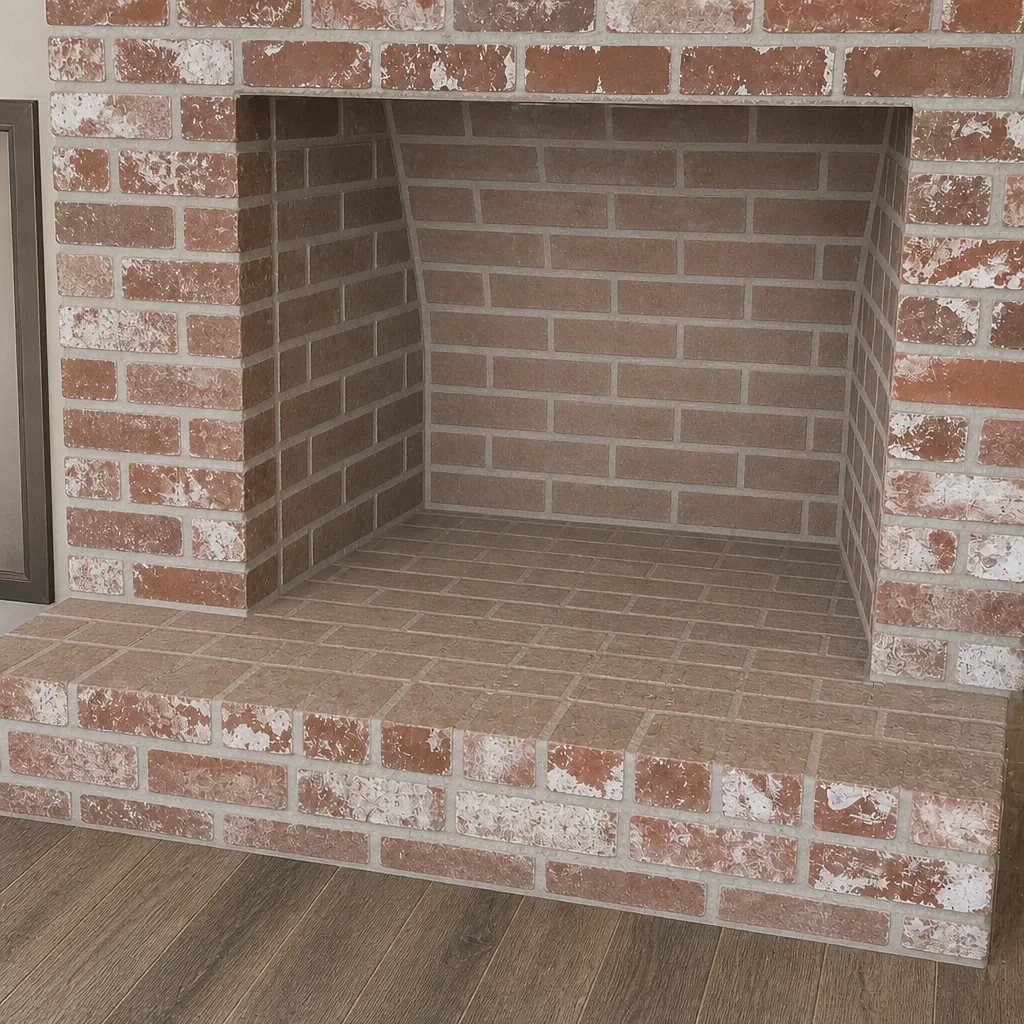
See the difference
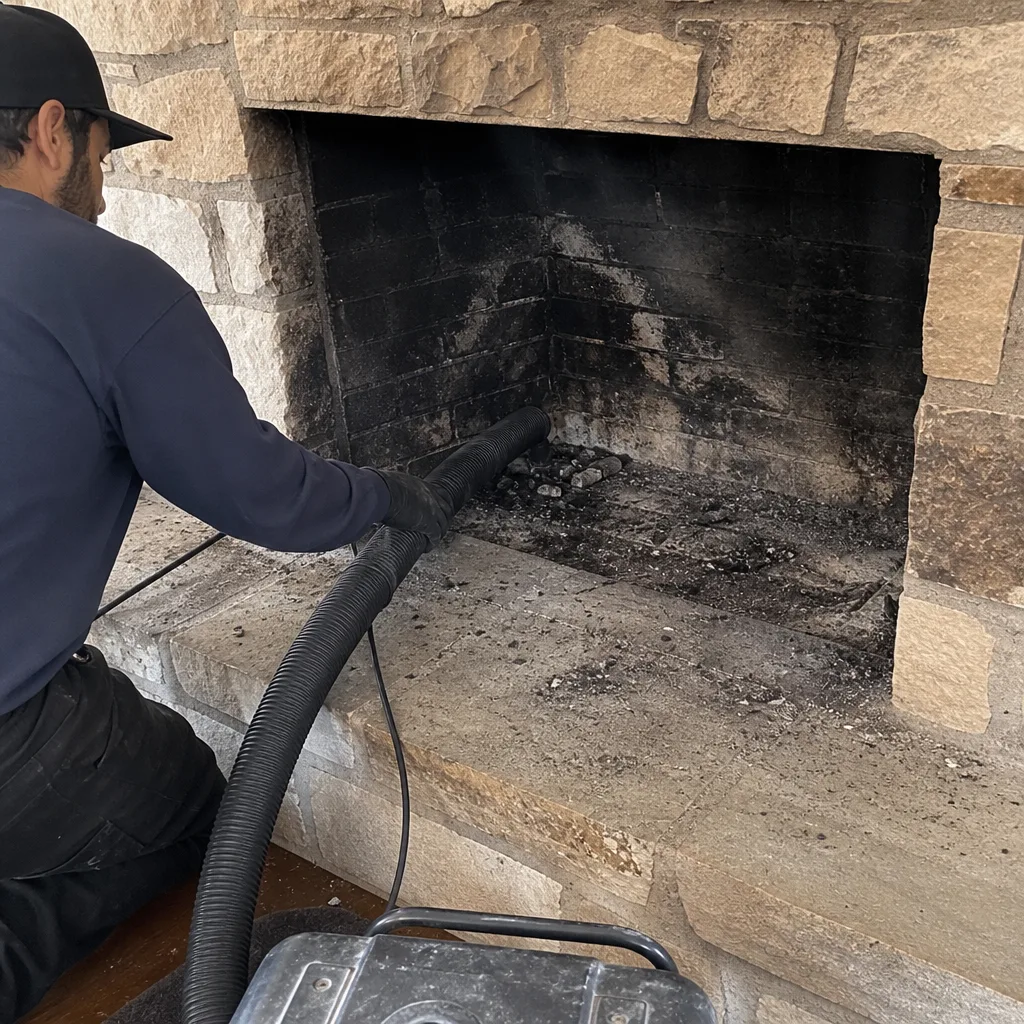 Before
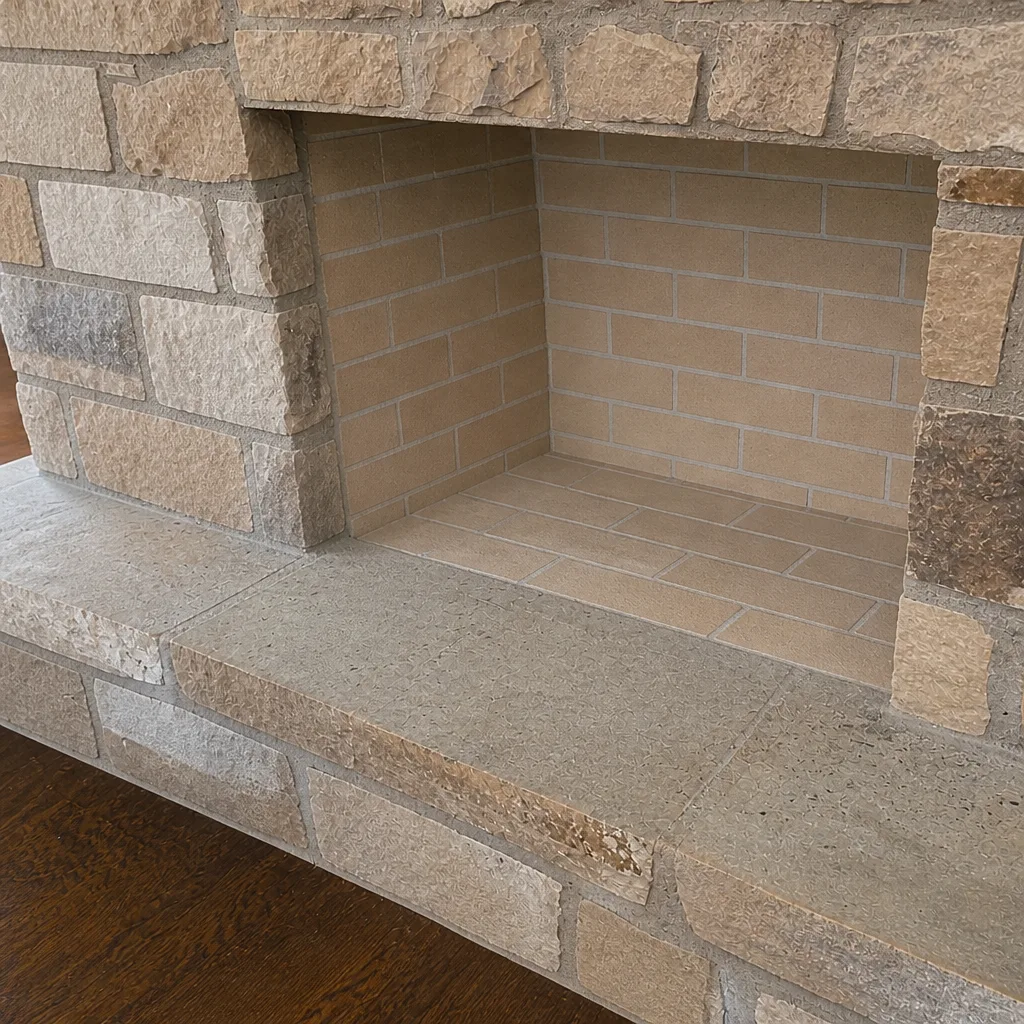 After
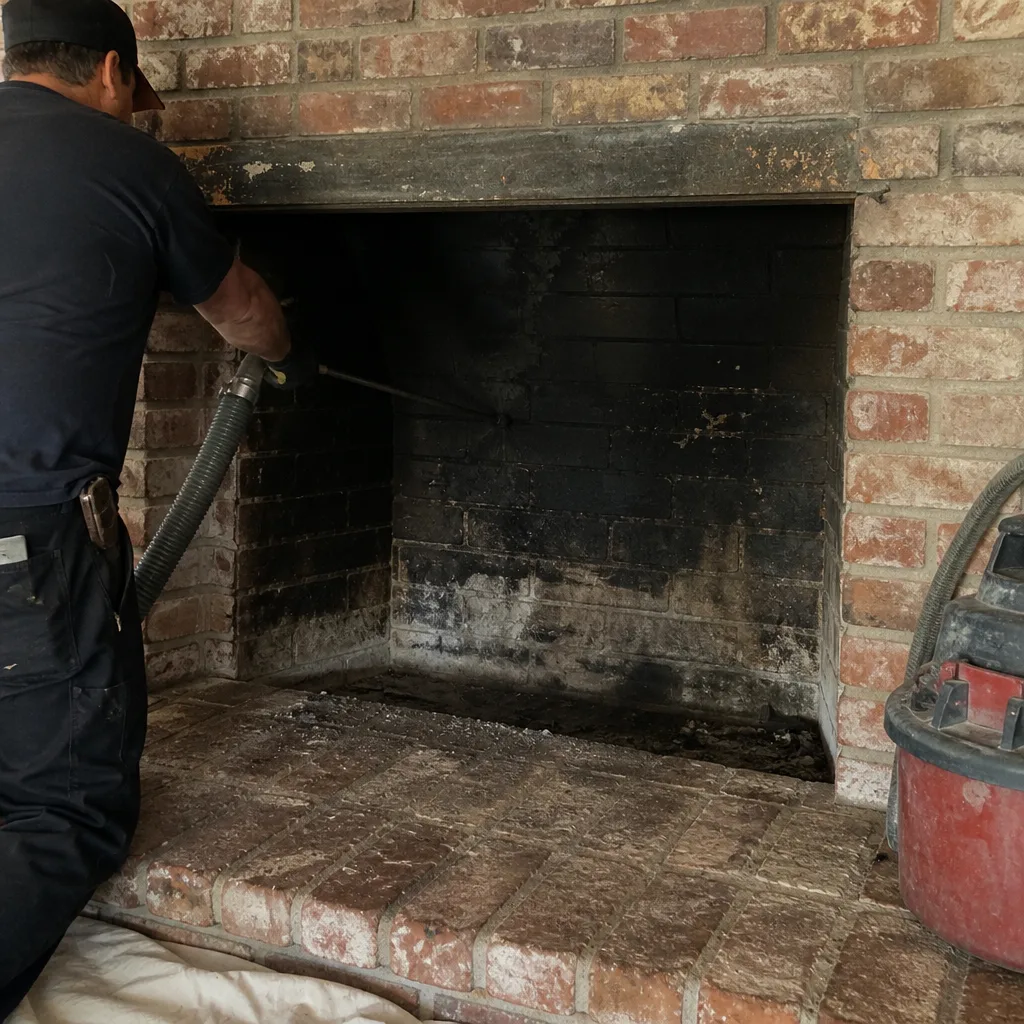 Before
 After
 Before
 After
When to Call a Professional
Call a professional any time a warning sign lands on the “stop using it now” list, when the smell has persisted for more than a few days, or when the fireplace hasn’t been inspected in over a year. Call before you buy a Newport Beach home with a fireplace, before you light the first fire of the season after a dormant summer, and before you accept a repair estimate you can’t verify without evidence. Our technicians have up to 13 years of experience, and we use professional-grade components from DuraFlex, HeatShield, Gelco, Olympia Chimney, Famco, and Copperfield rather than generic substitutes. Newport Beach Chimney Sweep Pros offers free estimates in Newport Beach. Call (844) 573-0875 to book an inspection. We answer 24/7, with fast dispatch from 7am to 7pm, Sunday through Friday.
Frequently Asked Questions
Once a year is the standard, and it’s the right baseline for most Newport Beach homes. If you burn wood heavily through the cooler months, or if you’ve noticed a persistent smell or visible staining, a mid-season inspection can be worth adding. The annual sweep-and-inspect cadence catches buildup before it reaches the glazed creosote stage, which is the stage that’s genuinely hard to remove.
In a prefab metal chimney, the warning signs tend to be metal changes rather than masonry ones: warping, discoloration, cracked gaskets, rust on the panels, and gaps between flue sections. Smell is the same guide as for a masonry system: a smoky smell that survives when the fireplace has been cold for days, or a bitter chemical smell, warrants a call. Call (844) 573-0875 for an exact quote (the estimate is free) before you use the fireplace again.
It depends on what the inspection shows. A HeatShield resurfacing system can restore a damaged liner back to working condition in many cases without the cost of a full relining. A liner that’s beyond resurfacing needs a DuraFlex flexible liner installed. The decision should be based on what the inspection actually found and photos you can see for yourself, not on a phone call or a sales pitch. Call (844) 573-0875 for an exact quote and ask for the inspection photos along with the recommendation.
Stage 1 creosote is routine, and it’s not the sign of a problem. Stage 2 is where the risk starts to rise, because the creosote has bonded to the flue wall and is more flammable. Stage 3 is the dangerous stage, and the shiny, glazed look is the signal to stop using the fireplace until it’s cleaned. Call (844) 573-0875 for an exact quote (the estimate is free).
Pricing is set per job by written estimate, so the honest answer is that we need to look at the size of the fireplace, the flue, the creosote stage, and whether any repair is needed along with the sweep. The estimate is free, and the written estimate sets the final price. Call (844) 573-0875 for an exact quote. We answer 24/7, and dispatch runs 7am to 7pm, Sunday through Friday.
A skipped season usually means creosote moves from Stage 1 to Stage 2 in a moderately used fireplace, and the sweep the next year becomes a priority rather than routine. In a Newport Beach home where the fireplace sits dormant for months, that buildup sits inside the flue and doesn’t go away. The year it snowballs is usually the year the fireplace stops drawing properly at the start of the season. Call (844) 573-0875 for an exact quote before the season starts.
The Bottom Line
Chimney warning signs fall into two clean categories, and knowing which category you’re in is the whole job. Smell, staining, and early creosote mean “schedule soon.” Smoke rollback, rust streaks, spalling, and a failed damper mean “stop using it now.” Reading the difference is what separates confidence from guesswork. In Newport Beach, where the fireplace may sit dormant for months and then get used daily in the cool season, acting on the early signals in late summer or early fall is the most efficient path. Inspection first, sweep second, and no repair recommended without photos you can see. That’s the standard we bring to every Newport Beach home. Our technicians have up to 13 years of experience, and we source components from DuraFlex, HeatShield, Gelco, Olympia Chimney, Famco, and Copperfield. If anything in this guide matches what you’re seeing at home, don’t wait for a visible emergency. Call (844) 573-0875 for a free estimate. We answer 24/7, and dispatch runs 7am to 7pm, Sunday through Friday.
Written by the team at Newport Beach Chimney Sweep Pros.