
Last updated November 25, 2026
 Sweep & inspection
 Caps & crowns
 Flue relining
 Masonry repair
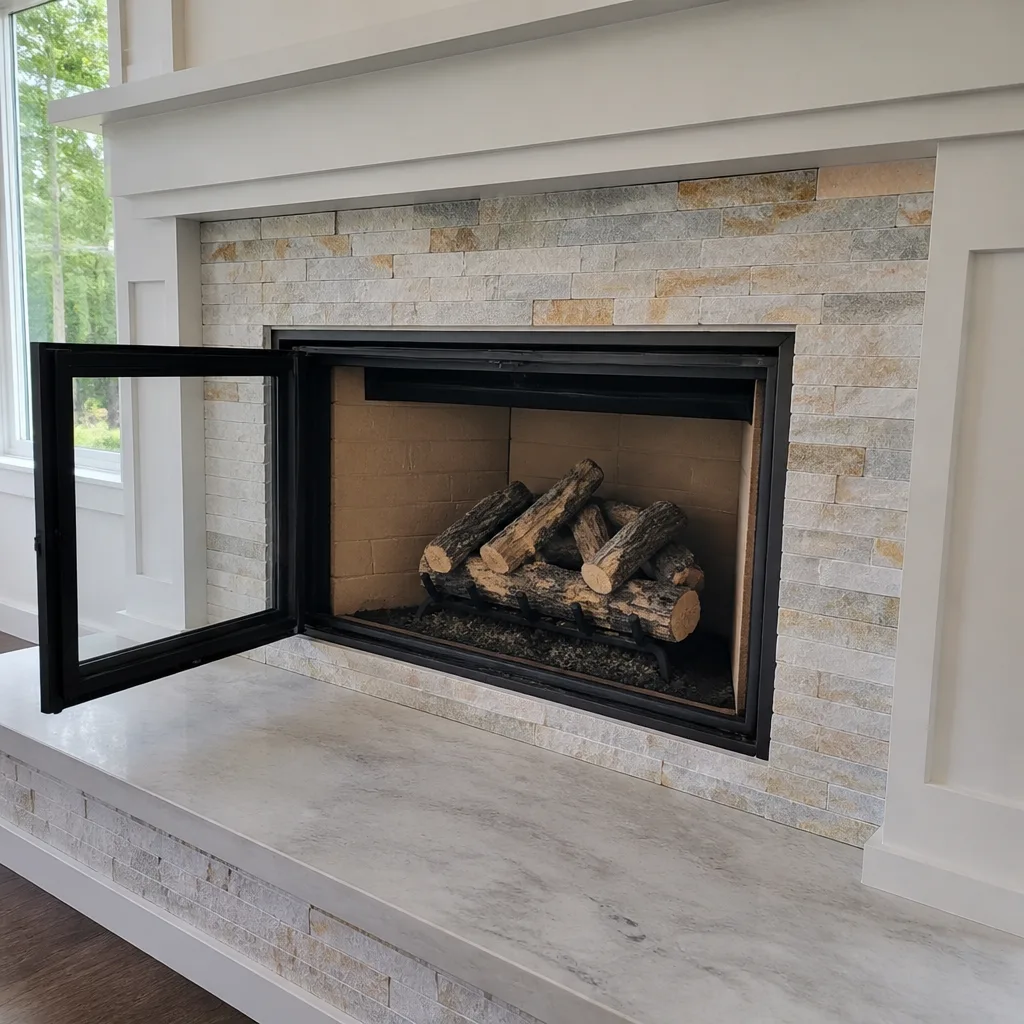 Gas fireplace service
Level 1 sweep and inspection to the NFPA 211 annual standard - flue, crown, cap, and flashing checked and photographed
Chimney sweep logs do not sweep chimneys. They loosen some creosote - which then falls where a brush and vacuum still have to collect it.
Choosing the Right Chimney Cleaning Brand: A Buyer’s Guide for Newport Beach
When a chimney company lists “chimney cap replacement” on a quote without naming a brand or gauge, they’re describing a hardware store part with a one-to-three year life expectancy. When they specify a Gelco or Famco cap, they’re describing something built to outlast the decade. The word “cap” is doing a lot of work in that quote, and most homeowners in Newport Beach never get to see the difference until the cheap part fails and water gets into the flue. This guide breaks down what the professional tier of chimney products actually looks like across caps, crowns, liner systems, and cleaning chemicals. By the end, you’ll know how to read a proposal for brand specificity, why metal gauge and alloy matter here, and how to spot the difference between a specialist and a handyman with a brush.
Quick Answer
The right chimney cleaning brand comes down to whether the company names its materials. A specialist will specify professional-grade components from brands like HeatShield, Gelco, Olympia Chimney, and Famco, along with the alloy and gauge of any stainless steel they install. If a proposal is vague about brands, gauges, or products, that vagueness usually carries through to the work itself. Ask for specifics, get them in writing, and you’ll have a clear signal of the quality you’re paying for.
Styles & brands we work with
- Sweep & inspection
- Caps & crowns
- Flue relining
- Masonry repair
- Gas fireplace service
Table of Contents
- Why Chimney Brands Are a Proxy for Work Quality
- Caps: The Retail Tier vs. The Professional Tier
- Crowns and Crown Coatings: Cure Chemistry and Longevity
- Liner Systems: HeatShield and DuraFlex vs. Hardware Store Patches
- Cleaning Chemicals: What Professionals Actually Use
- Stainless Steel Gauge and Alloy: 304 vs. 316 in Newport Beach
- How to Read a Service Proposal for Brand Specificity
- Common Mistakes to Avoid
- When to Call a Professional
Why Chimney Brands Are a Proxy for Work Quality
Chimney brands function as a supply-chain signal. A company that installs HeatShield, Gelco, Olympia Chimney, and Famco is ordering from the same distributors that supply chimney specialists across the country. These brands don’t sell through big-box retail. They require trade accounts, minimum orders, and often installer training. When you see them named on a proposal, you’re looking at a company that has committed to a professional supply chain rather than picking up whatever fits on the shelf.
The reverse is also true. A company that writes “chimney cap, installed” with no brand, no gauge, and no alloy is describing a part that could be sourced from any hardware aisle. That part may last a couple of years, or it may fail sooner if Newport Beach’s dry summer heat and winter rains work on a low-grade steel. The point isn’t that cheap parts always fail. It’s that the company doesn’t know, and neither will you until something goes wrong.
Here’s the practical test. Ask three questions of any chimney company in Newport Beach:
- What brand of cap do you install, and what gauge is it?
- What alloy – 304 or 316 stainless – and why that one for this property?
- What liner restoration system do you use, and is it certified for the application?
A specialist answers all three without hesitating. A generalist deflects or says “we use the good stuff.” That deflection tells you what the proposal will look like.
We carry and install parts from DuraFlex, HeatShield, Gelco, Olympia Chimney, Famco, and Copperfield because those are the brands that hold up. That’s not a sales pitch. It’s simply the supply chain that chimney work runs on when it’s done properly.
Caps: The Retail Tier vs. The Professional Tier
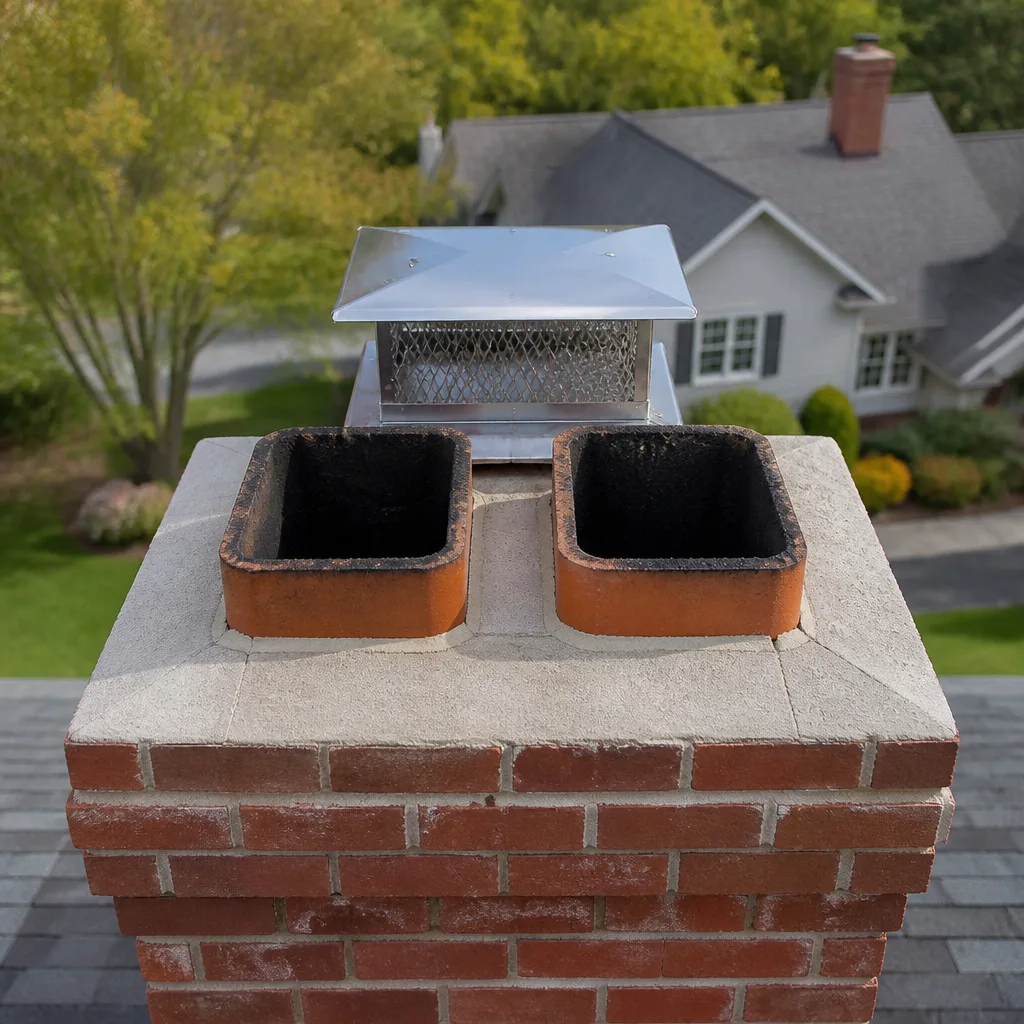
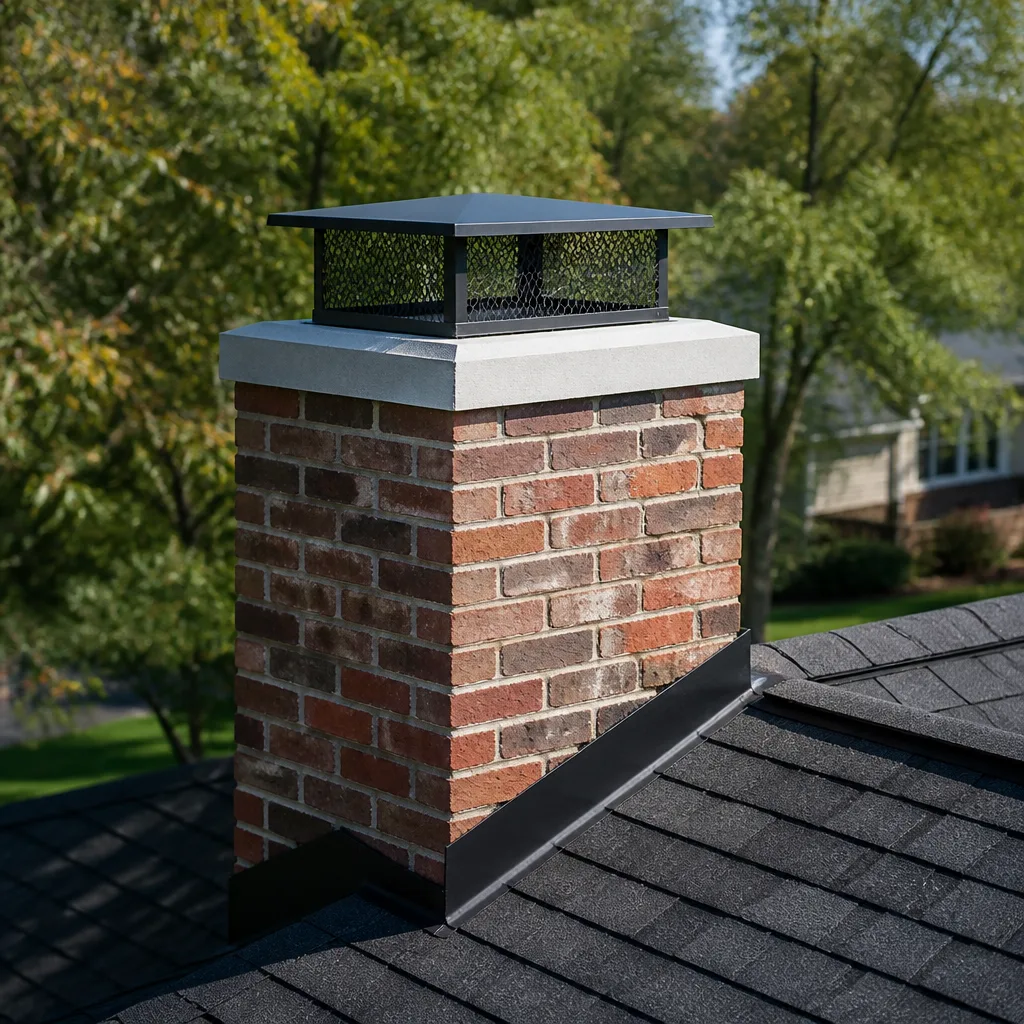
A chimney cap is the single most important piece of hardware on the chimney, and it’s also the piece most often sourced from the wrong tier. The retail tier sells caps mass-produced from thin-gauge galvanized steel or lower-grade stainless, often with pop-riveted seams and generic mesh. The professional tier – brands like Gelco, Famco, and Olympia Chimney – uses heavier stainless, welded or mechanically locked seams, and mesh sized for the flue it’s protecting.
The functional difference shows up in three places:
- Corrosion resistance. Heavier gauge and higher alloy content slow oxidation in wet, sunny, salty air. Newport Beach properties see both summer heat and periodic winter rains, and a cap that thins out in two years lets water in sooner than the homeowner expects.
- Spark arrestance. Mesh sizing matters for fire safety. A generic mesh sized for the box, not the flue, can either block too much draft or let embers through. A professional cap is spec’d to the flue.
- Attachment. Retail caps use screw-leg or clamp systems that often loosen. Professional caps use a top-mount or side-mount system built for the specific flue dimension.
A chimney cap isn’t optional maintenance – it’s the difference between a dry flue and a crumbling one. We install Gelco and Famco caps in Newport Beach because the material and design match the work we’re doing on the rest of the chimney. If a proposal just says “cap,” ask for the brand and gauge before you authorize the work. If you want to see how this fits into the wider service menu, our Newport Beach Chimney Sweep Pros page lays out the full scope.
Crowns and Crown Coatings: Cure Chemistry and Longevity
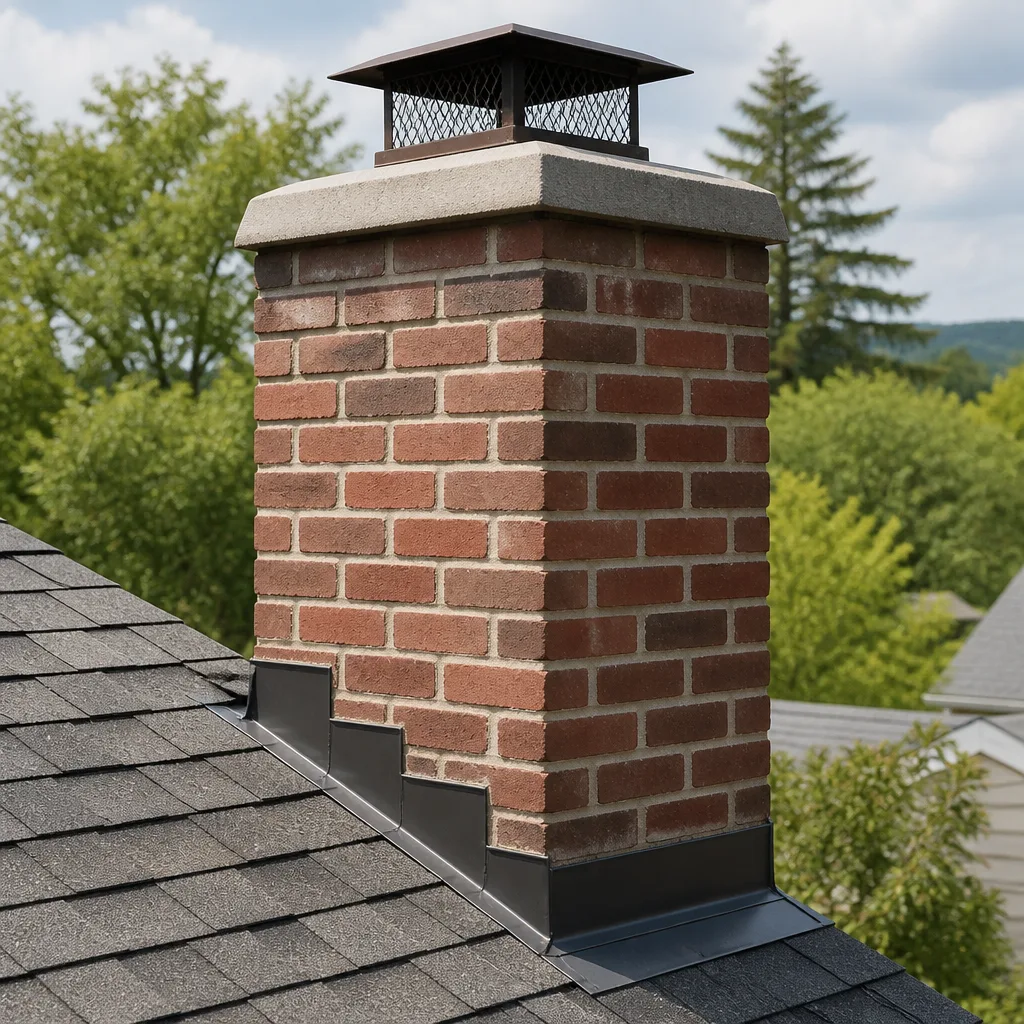
The crown is the concrete or masonry cap at the very top of the chimney that sheds water away from the flue. It’s the most exposed surface on the entire structure, and it’s where water damage starts more often than anywhere else. The difference between a proper crown coating and a DIY elastomeric patch is the difference between a five-year fix and a permanent one.
Professional crown coatings – CrownCoat and CrownSeal are two common trade products – are formulated for masonry adhesion, flexibility, and UV stability. They’re applied over a properly prepared surface, often with a primer, and they cure chemically rather than by simple solvent evaporation. That cure chemistry matters because it determines how well the coating bonds to concrete over the long haul.
The hardware store elastomeric patch is a different animal. It’s a thick acrylic or silicone-based product designed for general exterior use, not masonry crowns specifically. It goes on over imperfectly prepared surfaces and relies on thickness rather than adhesion for its protective effect. It cracks as the substrate moves. It stains. It needs to be redone every couple of years.
The practical difference for a Newport Beach homeowner:
- Professional coating: proper surface prep, primer, and a coating built for concrete crowns. Multi-year service life when applied correctly.
- DIY patch: minimal prep, a coating built for general use, and a much shorter interval before it needs attention again.
We apply HeatShield and professional crown systems because the labor cost of a crown repair is the same whether the material lasts two years or ten. There’s no saving in using the cheaper product. Ask any chimney company in Newport Beach what product they use for crowns. If they name it, they know what they’re doing. If they don’t, you do.
Liner Systems: HeatShield and DuraFlex vs. Hardware Store Patches
The flue liner is the wall between your fire and the structure of the house. When it’s compromised – cracked, spalled, or missing joints – the flue is no longer safe to use. The question is always whether the liner needs a full replacement or can be restored. Professional products exist for both routes, and both are different from anything you can buy at a hardware store.
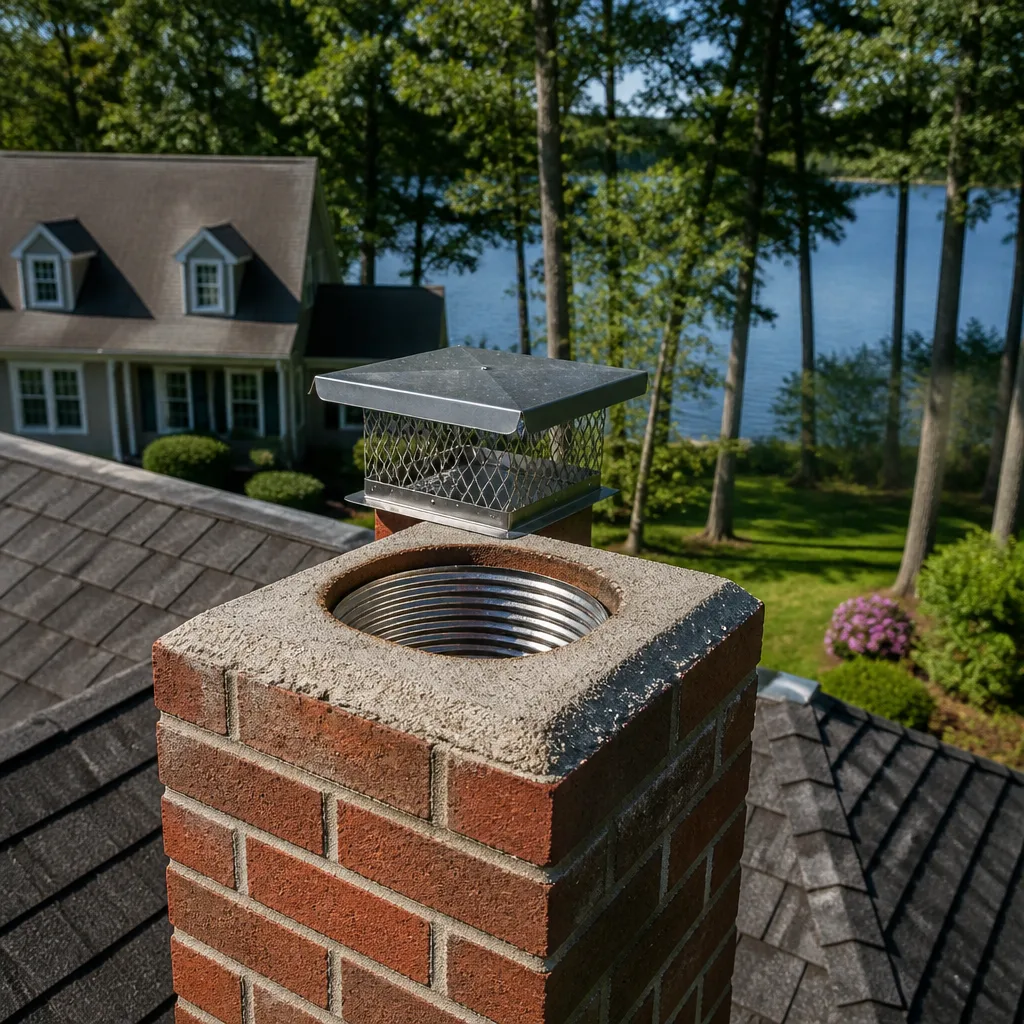
HeatShield is a resurfacing system. It’s an industry-standard product that seals cracks and restores the integrity of a clay tile flue without pulling the entire liner. The material is a cementitious compound applied by a trained technician using a specifically designed applicator, and it cures to a hard, smooth surface that restores the flue’s function. It isn’t a paint, a coating, or a patch. It’s a structural restoration of the liner’s interior.
DuraFlex is a flexible stainless steel liner system, used when the existing liner is beyond restoration or when the appliance requires a properly sized stainless flue. The alloy and gauge of the liner matter, and we’ll get into that in the next section. The key point is that a professional liner system is spec’d and installed to the appliance, not selected by walking into a store and picking a box.
The application process matters as much as the product. HeatShield applied by an untrained installer doesn’t perform the way it’s supposed to. DuraFlex liner installed without proper insulation or correct termination doesn’t perform either. When you vet a company, you’re vetting both the brand and the technician behind it. Our technicians have up to 13 years of experience working with these systems in Newport Beach homes, and that’s the part that a brand name alone doesn’t guarantee.
For the sweep and inspection that usually precedes any liner decision, see our chimney sweep page. For repair work once the liner assessment is in, see chimney repair.
Cleaning Chemicals: What Professionals Actually Use
Chimney cleaning is mostly mechanical – the brush does the work – but the chemicals used matter more than most homeowners realize. The professional tier uses creosote-dissolving products specifically formulated for different stages of creosote: light, moderate, and glazed. These products are applied before or after mechanical sweeping depending on the stage, and they’re part of a staged cleaning process rather than an all-purpose spray.
The retail tier sells general-purpose soot removers and chimney cleaning logs. These have a place, but they don’t substitute for a professional sweep, and they don’t address glazed creosote at all. Glazed creosote is the dangerous stage, and it’s exactly where a sweep with the right chemicals and the right brush makes the difference.
A professional cleaning follows a staged process:
- Inspection of the flue to assess creosote stage and any structural issues.
- Application of a creosote treatment if the deposit is moderate or glazed.
- Mechanical sweeping with a brush sized to the flue.
- Re-inspection to confirm the flue is clean and to document any findings.
The chemicals aren’t a shortcut. They’re part of a proper procedure. If a company in Newport Beach quotes a sweep without discussing the creosote stage, that’s a sign they’re planning a mechanical brush-and-go rather than a real cleaning. Ask about it.
Stainless Steel Gauge and Alloy: 304 vs. 316 in Newport Beach
Stainless steel is not one product. The two alloys used in chimney work are 304 and 316, and the difference matters for any metal part exposed to outdoor conditions. 304 is the standard grade for general use. 316 adds molybdenum, which makes it more corrosion-resistant, particularly in environments where chlorides are present. For a Newport Beach property, the choice of alloy is a conversation worth having with whoever is installing the cap or liner.
The gauge matters too. Gauge refers to the thickness of the metal, and in chimney work it usually runs from 26-gauge up through 20-gauge depending on the application. A cap built from a lighter gauge flexes, deforms, and deforms faster under heat and weather. A heavier gauge maintains shape and holds its seal.
| Factor | Why it matters |
| Alloy – 304 | Standard corrosion resistance. Adequate for many general applications. |
| Alloy – 316 | Higher corrosion resistance where chlorides are present. Worth asking about for properties directly exposed. |
| Gauge | Heavier gauge resists deformation and holds seals longer under heat and weather cycles. |
| Weld quality | Welded seams are stronger than pop-riveted seams over the life of the cap. |
When a company specifies 316 stainless for a cap or liner in Newport Beach, they’re acknowledging the local environment. When they specify 304, they should have a reason. When they specify nothing, ask. The question “what alloy and gauge” is one that any chimney specialist should be able to answer without hesitation.
How to Read a Service Proposal for Brand Specificity
A chimney proposal is a document you should be able to read like a spec sheet. The companies confident in their materials write proposals that name them. The companies less confident write proposals that stay vague. Reading for specificity is a fast vetting step, and you can do it before you ever pick up the phone.
Here’s what to look for, in order:
- Named brands. A proposal that names DuraFlex, HeatShield, Gelco, Olympia Chimney, Famco, or Copperfield is signaling its supply chain. A proposal that names nothing is signaling its own uncertainty.
- Specified gauge and alloy. Any stainless steel part should have a gauge and alloy specified. If not, ask.
- Application method. For a liner restoration, the proposal should describe the process, not just the product. HeatShield applied properly is a different job from HeatShield applied roughly.
- Clear scope. What’s included versus what’s not. “Sweep and inspection” means one thing. “Sweep, inspection, and camera documentation” means another.
- Written estimate, not a verbal range. The written estimate sets the final price. Verbal ranges are useful context, not commitments.
You’ll notice that none of these criteria is about price. Professional-grade proposals aren’t the cheapest proposals, and that’s part of the point. The tier of product a company uses correlates with the tier of work it does, and that correlation is what you’re really buying. If the proposal doesn’t name its materials, that’s a real answer in itself. Our fireplace repair page shows how the same brand-specificity principle applies to firebox and damper work.
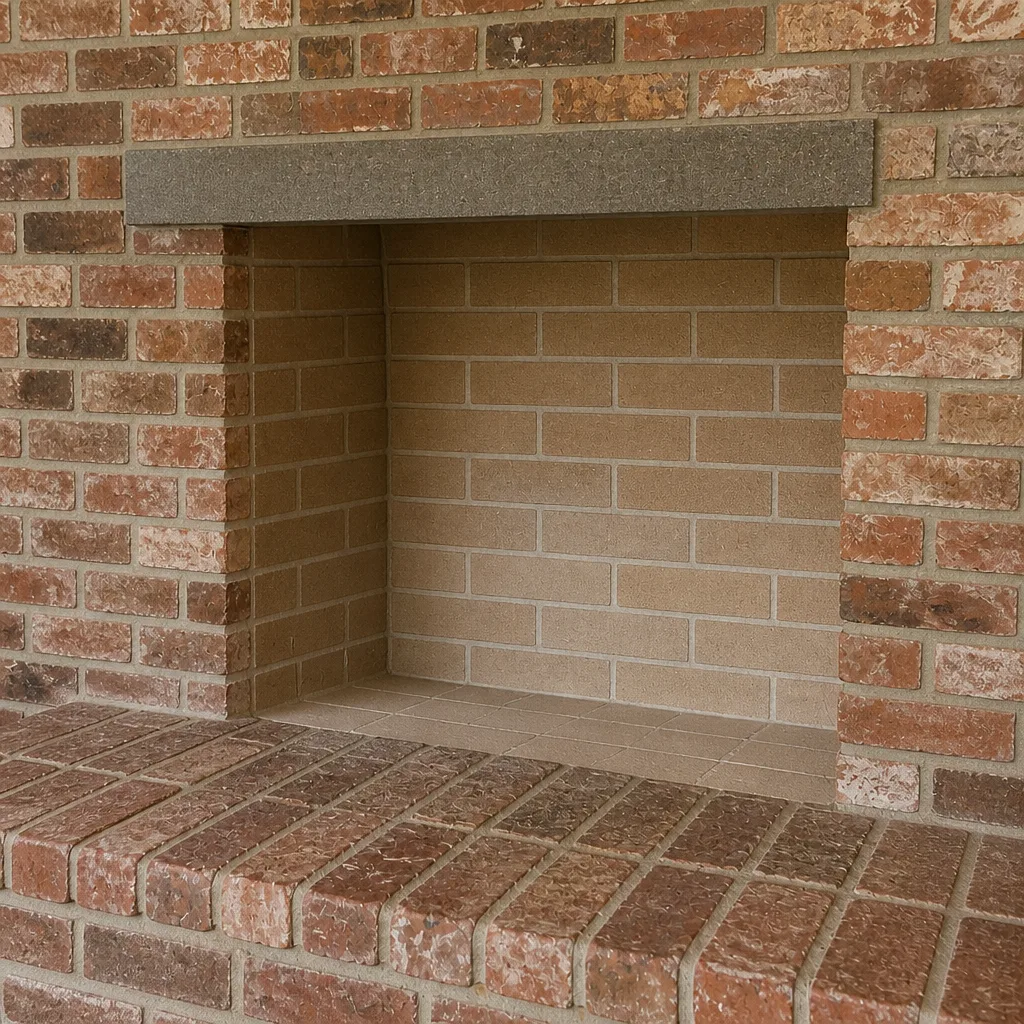
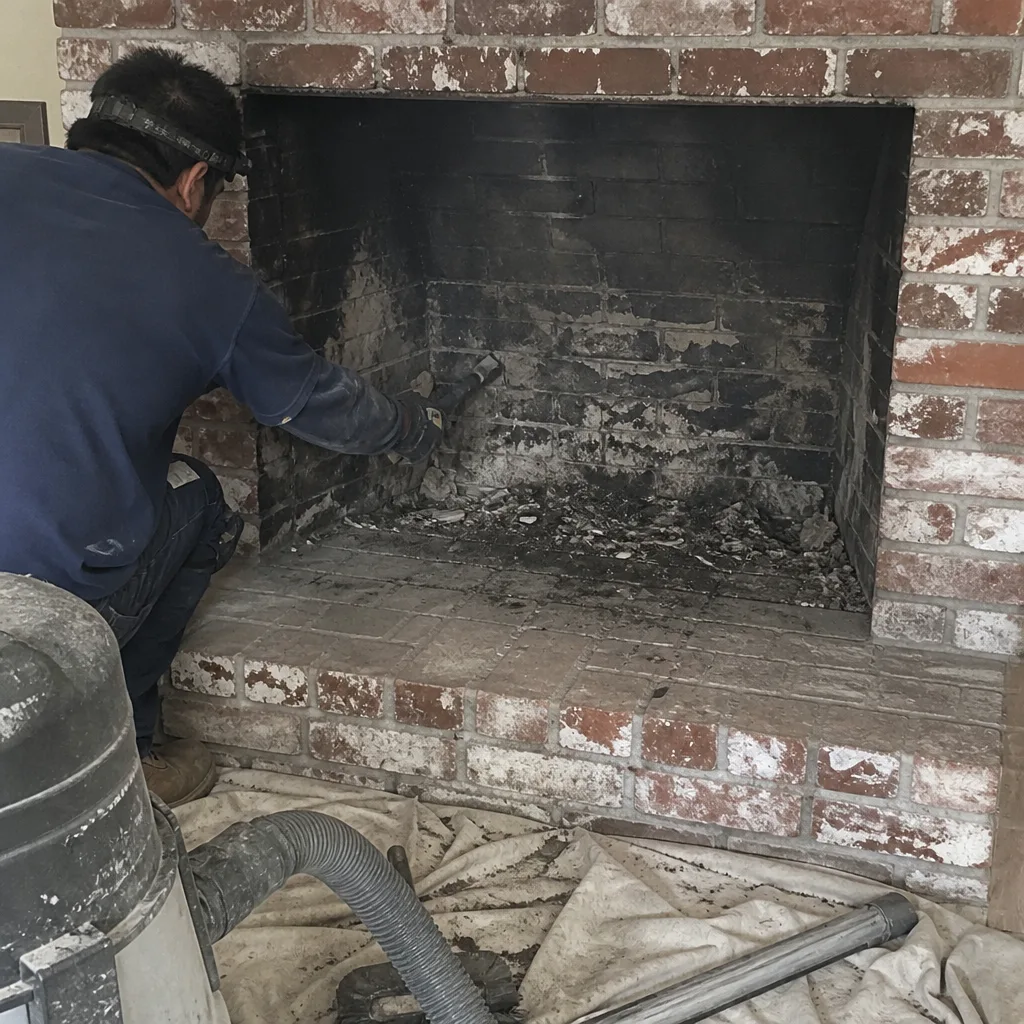
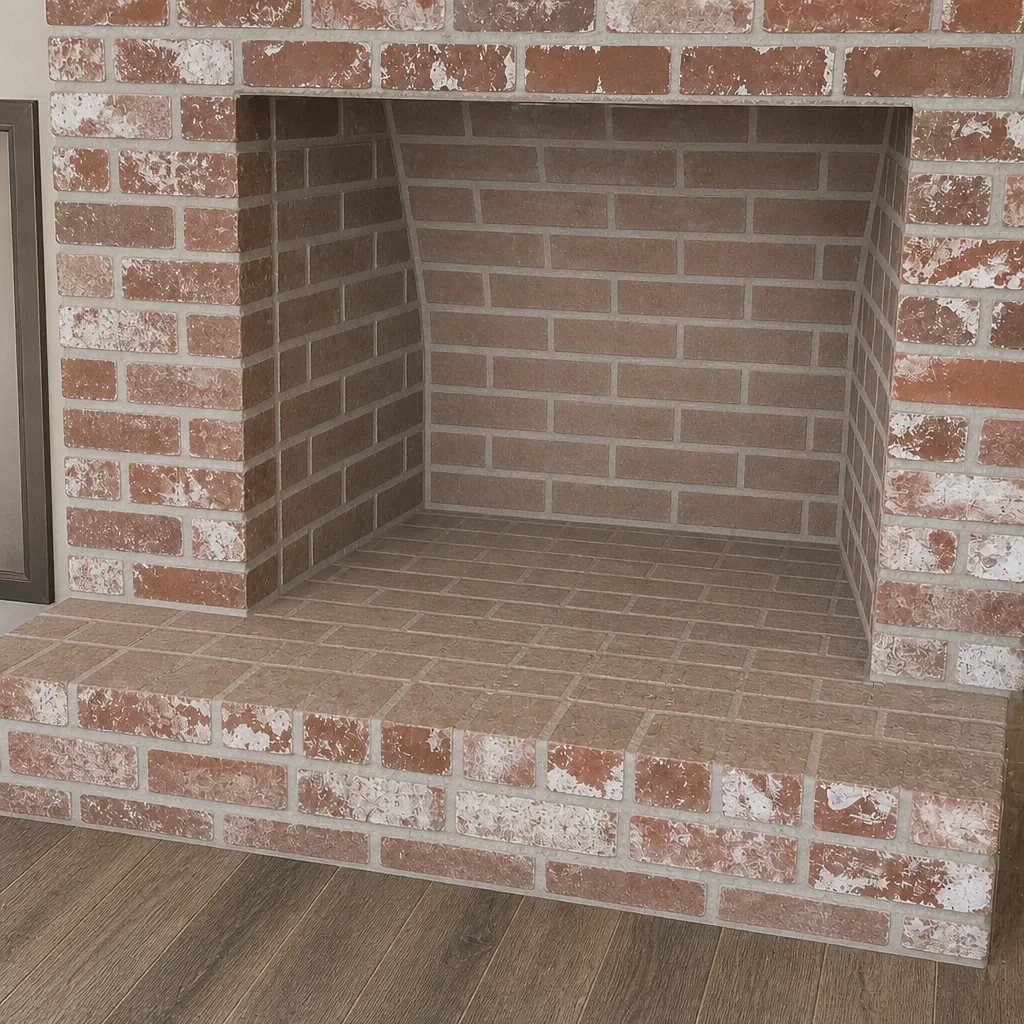
See the difference
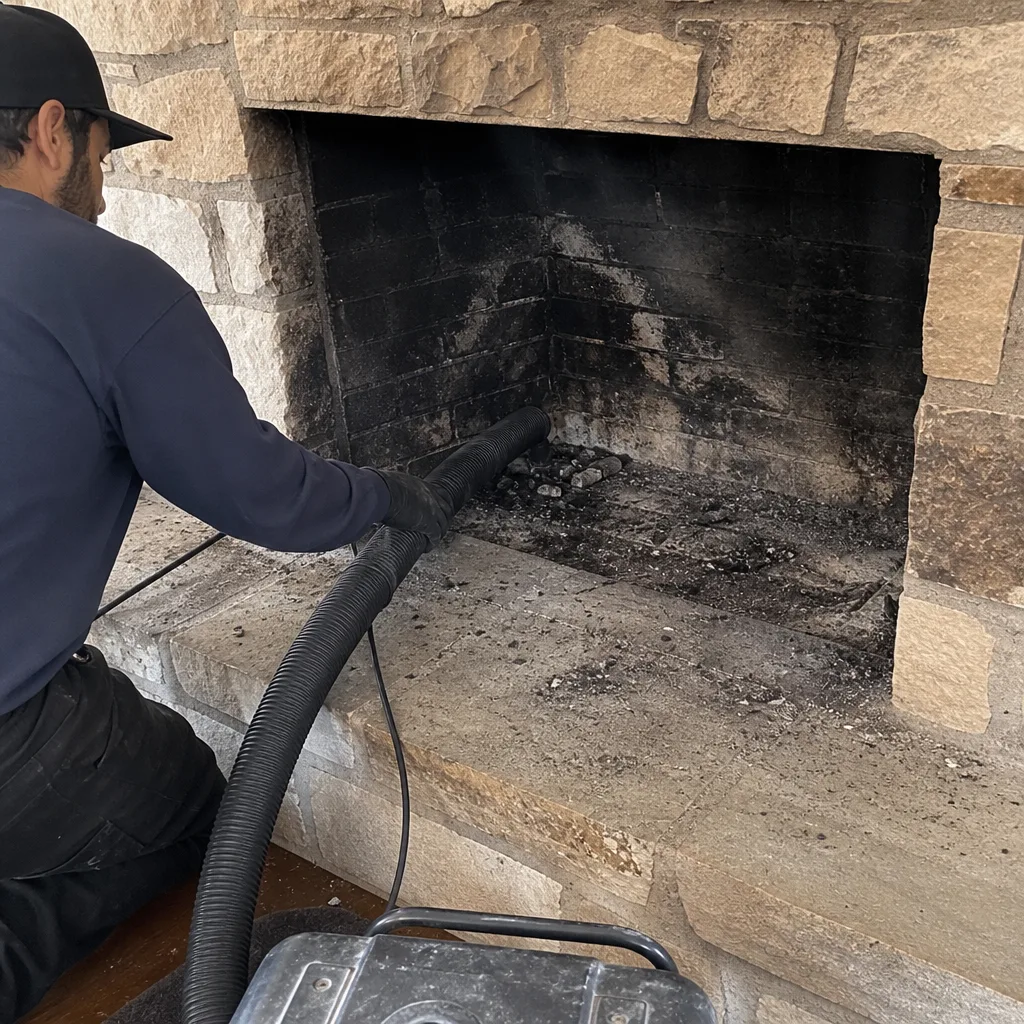 Before
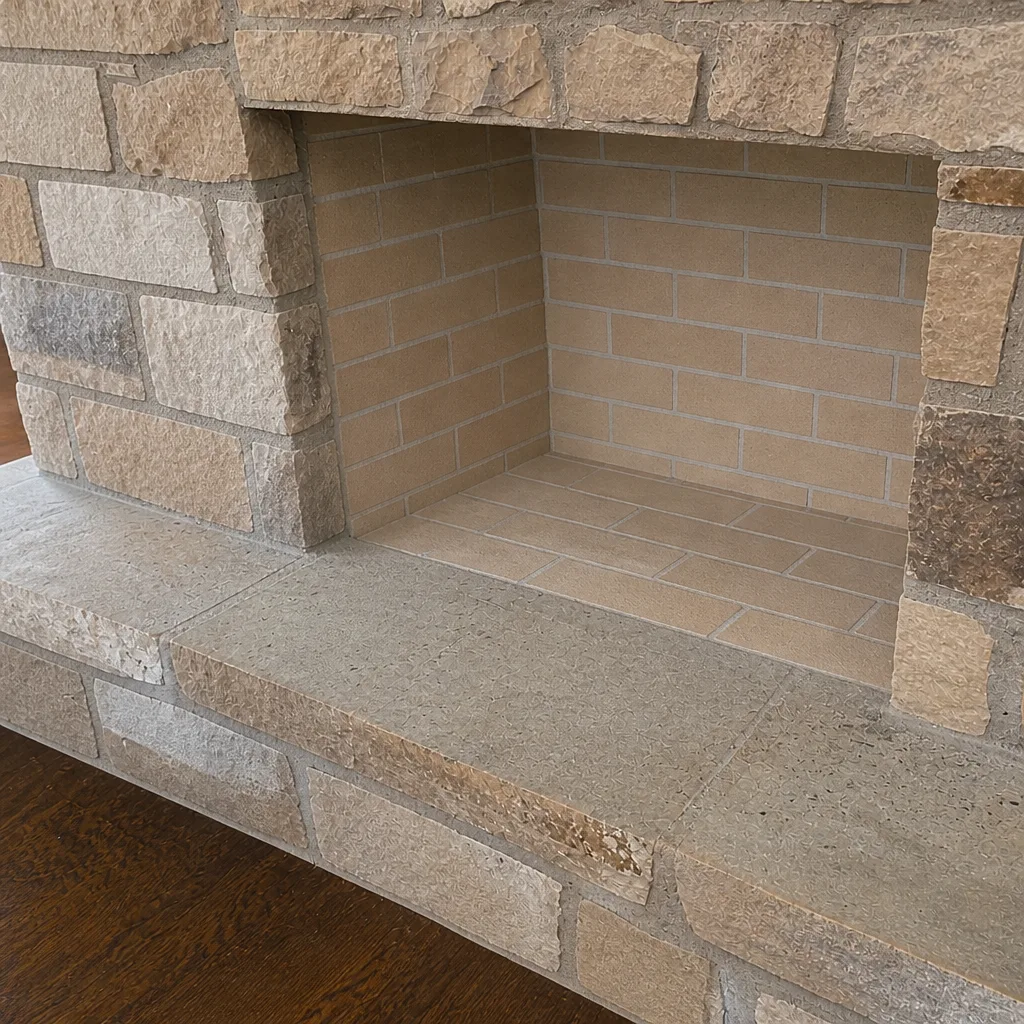 After
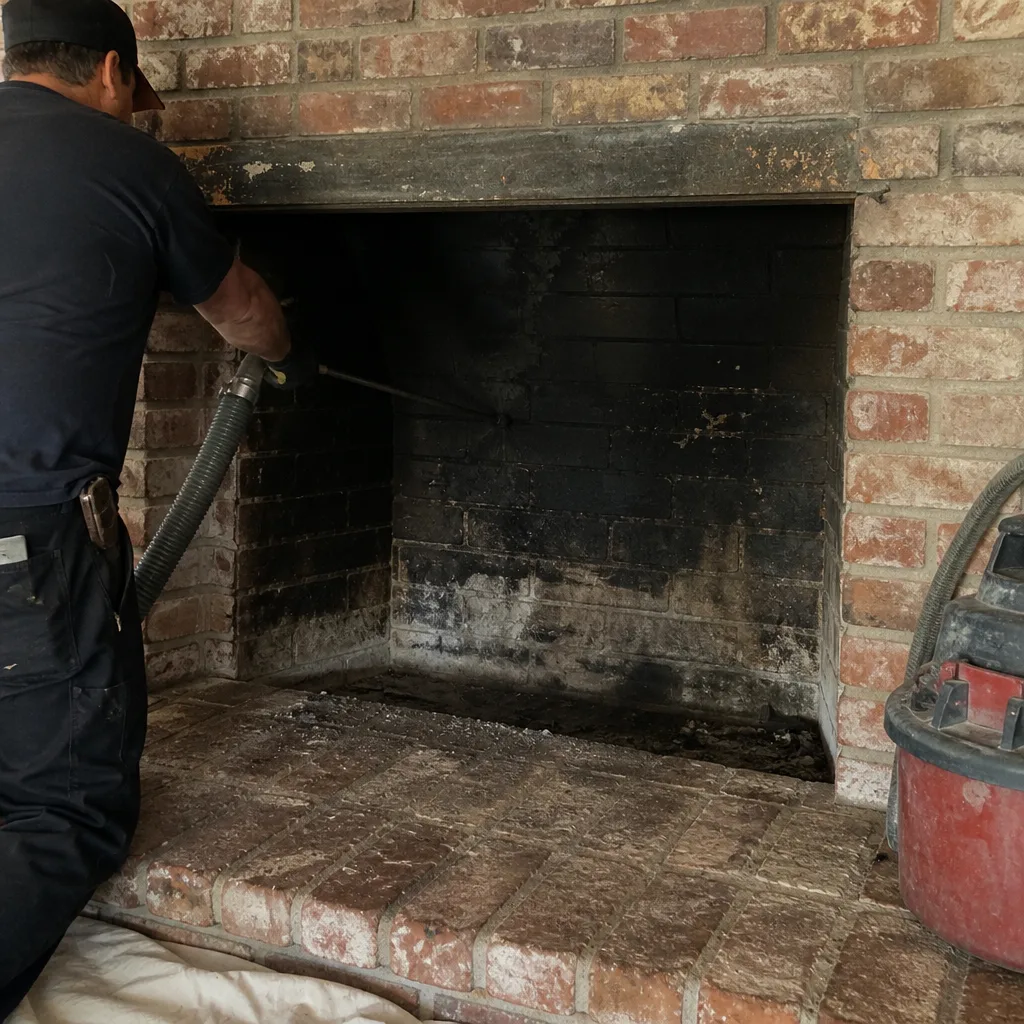 Before
 After
 Before
 After
Common Mistakes to Avoid
- Accepting “we’ll take care of it” as a scope description. In Newport Beach, where our dry summers and rainy winters both stress chimney exteriors, “take care of it” usually means the lowest-tier material available at the supply house. Ask for specifics, get them in writing.
- Assuming all chimney caps are equivalent. They aren’t. A retail cap and a Fabco-spec or Gelco-spec cap are two different products with different life expectancies and different gauge levels. The cost difference is small compared to the cost of a second replacement.
- Letting a hardiandyman do a masonry crown. Crown coating is a chemical bond that requires surface prep and primer. A general handyman can smear a product on. Whether it stays on is the question. A chimney specialist applies HeatShield and crown coatings because they do this work every day.
- Skipping the sweep because the chimney “looks fine.” Creosote is invisible from the firebox. A proper sweep and inspection is the only way to know what stage of deposit is inside the flue. This is especially true in Newport Beach homes where fireplaces get used seasonally and then sit idle for months.
- Not asking for the inspection report. A structured inspection produces documentation. If a company won’t provide one, the inspection was a glance, not an assessment.
- Buying a chimney cleaning log instead of booking a sweep. Cleaning logs have a narrow role. They don’t replace mechanical sweeping, and they don’t address glazed creosote. Treat them as supplementary, not a substitute.
- Not asking about alloy and gauge on a stainless cap or liner. In a place with both sun and seasonal rain, the difference between 304 and 316 and between a light gauge and a heavy gauge shows up in the first few years.
When to Call a Professional
Some chimney work is straightforward to schedule and some needs immediate attention. A sweep and inspection is the first category. If it’s been more than a year since the last sweep, or if you’ve never had one done in a home you recently bought, book the inspection before you use the fireplace again. The same goes for any fireplace that’s been dormant through a full season – the first time you light it after months of sitting is when smells, drafts, and creosote looseness all surface at once.
The second category includes visible or functional signs. A crown that’s cracking, a cap that’s missing or bent, a damper that won’t open, smoke backing into the room, or a liner that a previous inspection flagged as compromised – all of those warrant a professional assessment. Chimney work involves heights, confined spaces, and fire safety. It’s not a homeowner category.
Newport Beach Chimney Sweep Pros offers free estimates in Newport Beach – call (844) 573-0875. We answer 24/7. Fast dispatch from 7am to 7pm, Sunday through Friday. We’ll inspect before we sweep, walk you through the findings, and give you a written estimate for anything that needs repair.
Frequently Asked Questions
The right brand depends on the job, but the professional tier consistently includes HeatShield for liner restoration, DuraFlex for flexible stainless liner systems, Gelco and Famco for caps and crowns, and Olympia Chimney for other chimney components. These brands are sold through trade channels rather than retail, so their presence on a proposal tells you the company is sourcing from the professional supply chain. If a company won’t name brands, that’s a red flag. Call (844) 573-0875 for a free estimate – we’ll tell you exactly what we’d install and why.
Gauge is thickness, and thickness determines how the cap handles heat, weather, and physical stress over time. A heavier-gauge cap maintains its shape and its seal longer than a lighter-gauge cap, and it resists the kind of warping that opens up gaps around the flue. For a Newport Beach property exposed to both summer heat and winter rain, a heavier gauge is the better long-term investment. Ask for the gauge in writing on any cap proposal.
316 stainless adds molybdenum for higher corrosion resistance, which is meaningful in environments where chlorides are present. For properties that are directly exposed, it’s worth asking about specifically. For many applications, 304 is adequate. The point isn’t that one is always better – it’s that a company should be able to explain the choice. An unexplained alloy spec is not a spec at all. Call (844) 573-0875 if you want to walk through which alloy makes sense for your property.
HeatShield is a structural restoration of a clay tile flue, applied by a trained technician with a specially designed applicator and cured to a hard, smooth surface. A hardware store patch is a coating that depends on thickness rather than adhesion, and it doesn’t restore the flue’s function the way HeatShield does. If a company proposes a patch over a compromised liner, ask why HeatShield or a DuraFlex liner isn’t the recommendation. There may be a good reason, but you want to hear it. Our chimney repair page covers how restoration fits into a full repair plan.
Yes. The cap is the first line of defense against water entering the flue, and water is the most common cause of crown deterioration. A properly fitted, correctly sized cap keeps rain and debris out, and that reduces water exposure on the crown and the flue interior. In Newport Beach, where winter rain is concentrated into a few months and the rest of the year is dry, keeping water off the crown during the wet season is the difference between a crown that lasts and one that starts spalling early.
The standard is at least once a year, ideally before the first burn of the season. Some fireplaces – particularly those used heavily or with wood that isn’t well seasoned – need more frequent service. If you’ve recently bought a Newport Beach home with a fireplace and don’t have a service record, book an inspection before you use it. Call (844) 573-0875 for a free estimate and we’ll schedule the sweep around your burn season.
Yes. Inspection and sweep are two different jobs, and the inspection is what tells you whether the sweep is the only work needed or whether there’s a liner, crown, or cap issue to address. We inspect before we sweep, so you know exactly what you’re working with. A sweep without an inspection is brushing a flue you don’t understand. For a standalone inspection that services real estate, insurance, or documentation needs, our chimney sweep page covers what’s included.
The Bottom Line
The chimney brands a company names are a real signal. Professional-tier products – HeatShield, DuraFlex, Gelco, Olympia Chimney, Famco, Copperfield – come through trade supply chains, not retail shelves, and their presence on a proposal usually reflects a company that has chosen to work at that level. Gauge and alloy are the details inside that signal, and they’re worth asking about specifically. In Newport Beach, where both summer heat and winter rain stress every exterior chimney component, the material difference shows up faster than homeowners expect. Read your next proposal for brand specificity. Ask about gauge. If the answers come back detailed, you’ve found the right company. If they don’t, you’ve gained useful information at the right moment.
Newport Beach Chimney Sweep Pros offers a full-cycle chimney service in Newport Beach: sweep, inspection, fireplace repair, chimney repair, and cap and crown installation under one call. We use professional-grade materials throughout, and we’re happy to walk you through the specifics on any proposal. Call (844) 573-0875 for a free estimate. We answer 24/7. Fast dispatch from 7am to 7pm, Sunday through Friday.
Written by the team at Newport Beach Chimney Sweep Pros.