
Last updated November 25, 2026
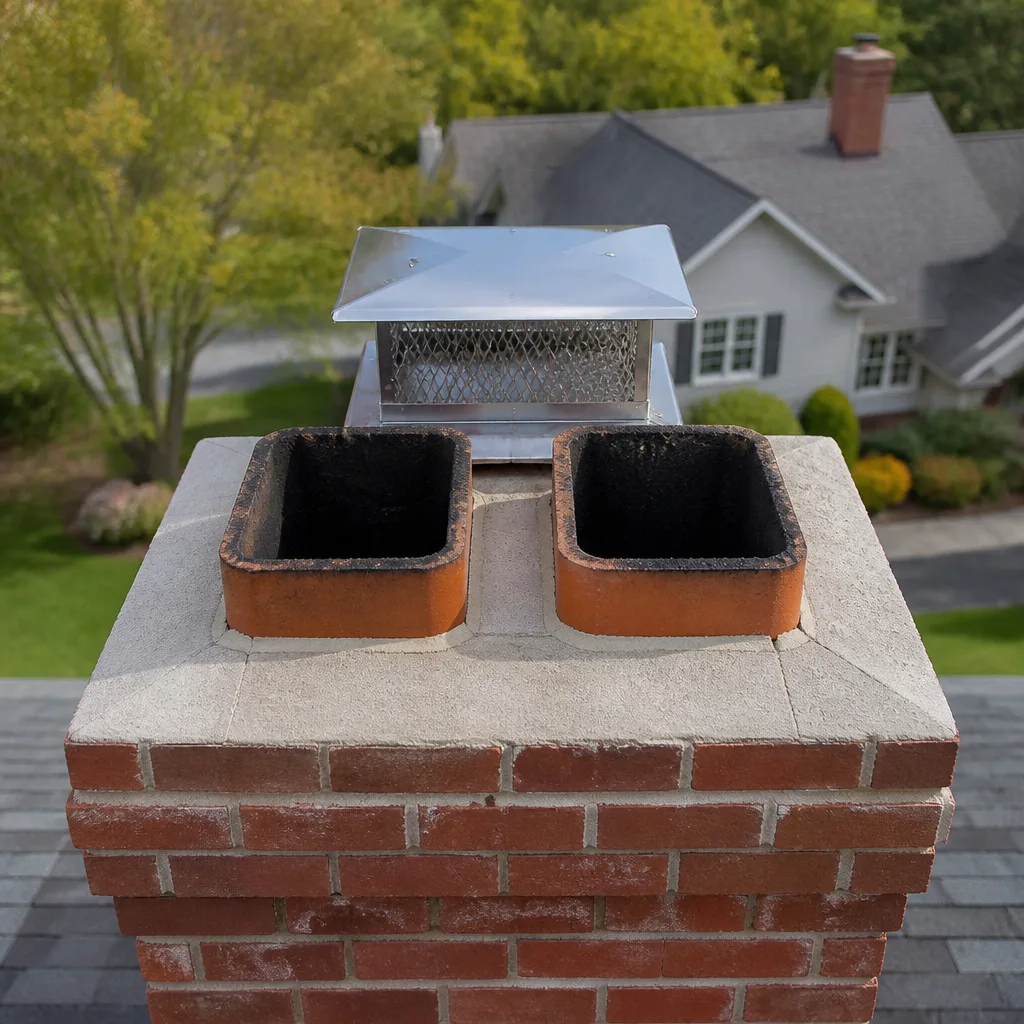 Sweep & inspection
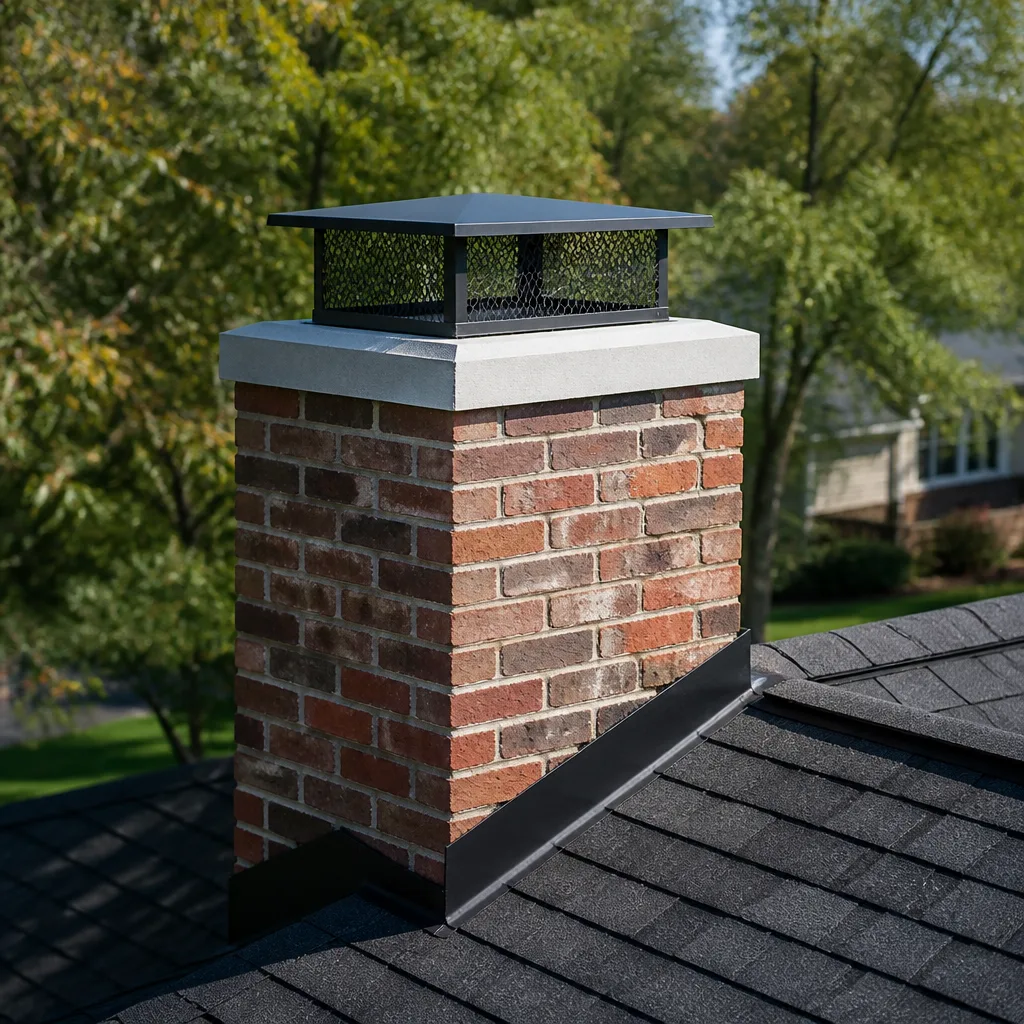 Caps & crowns
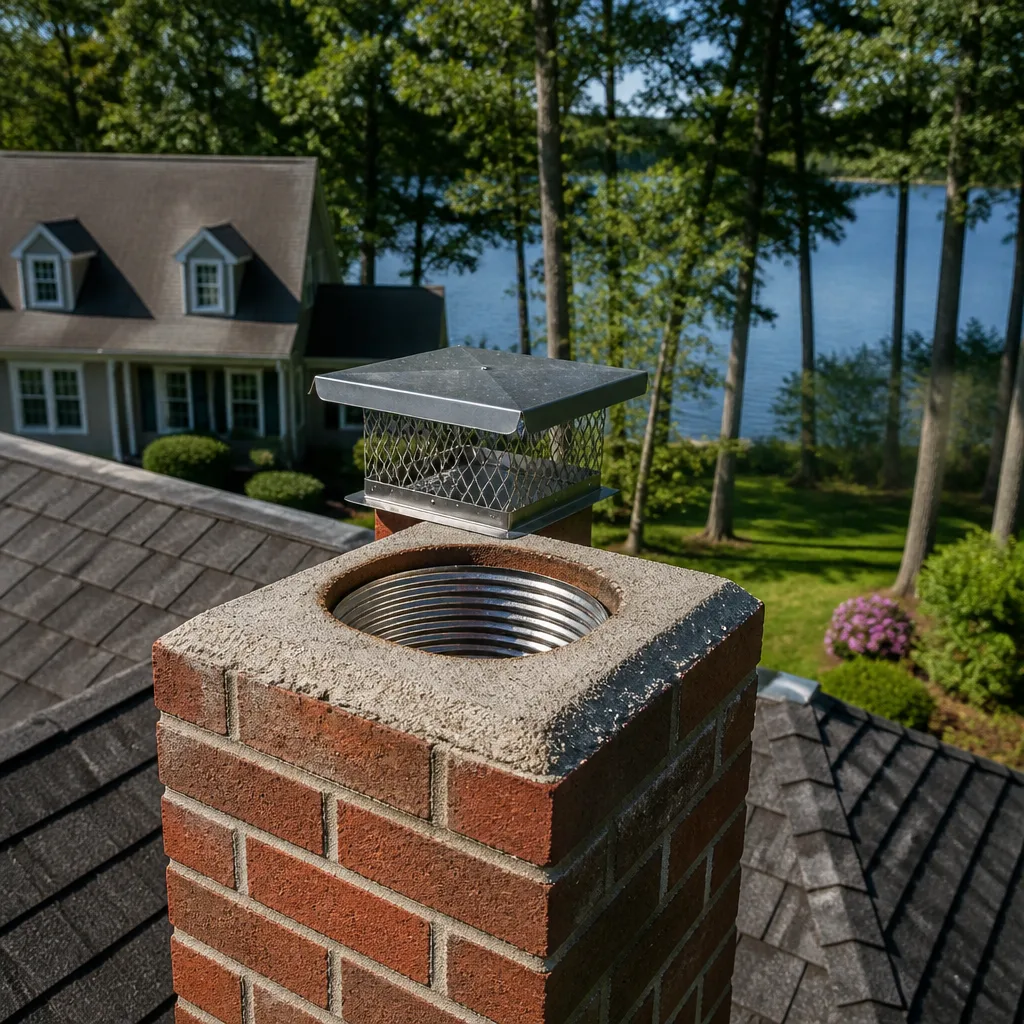 Flue relining
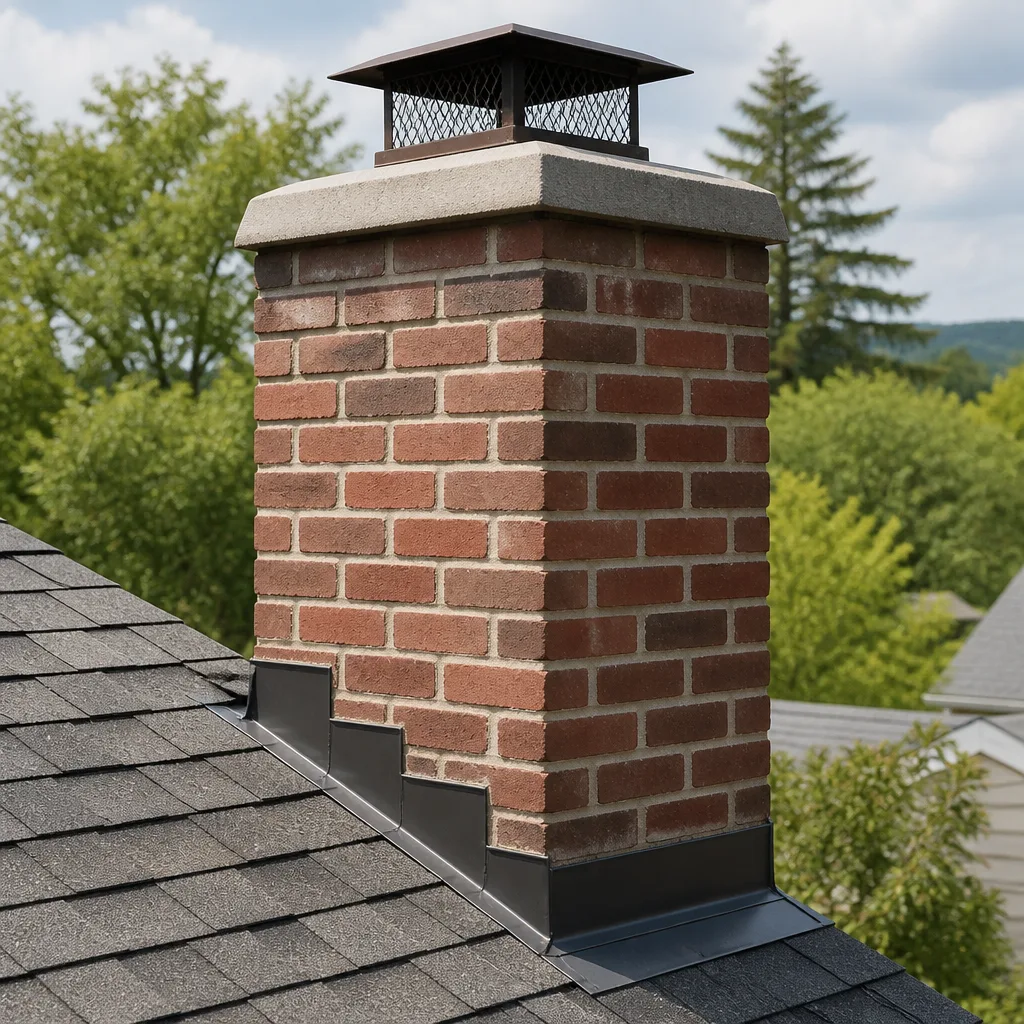 Masonry repair
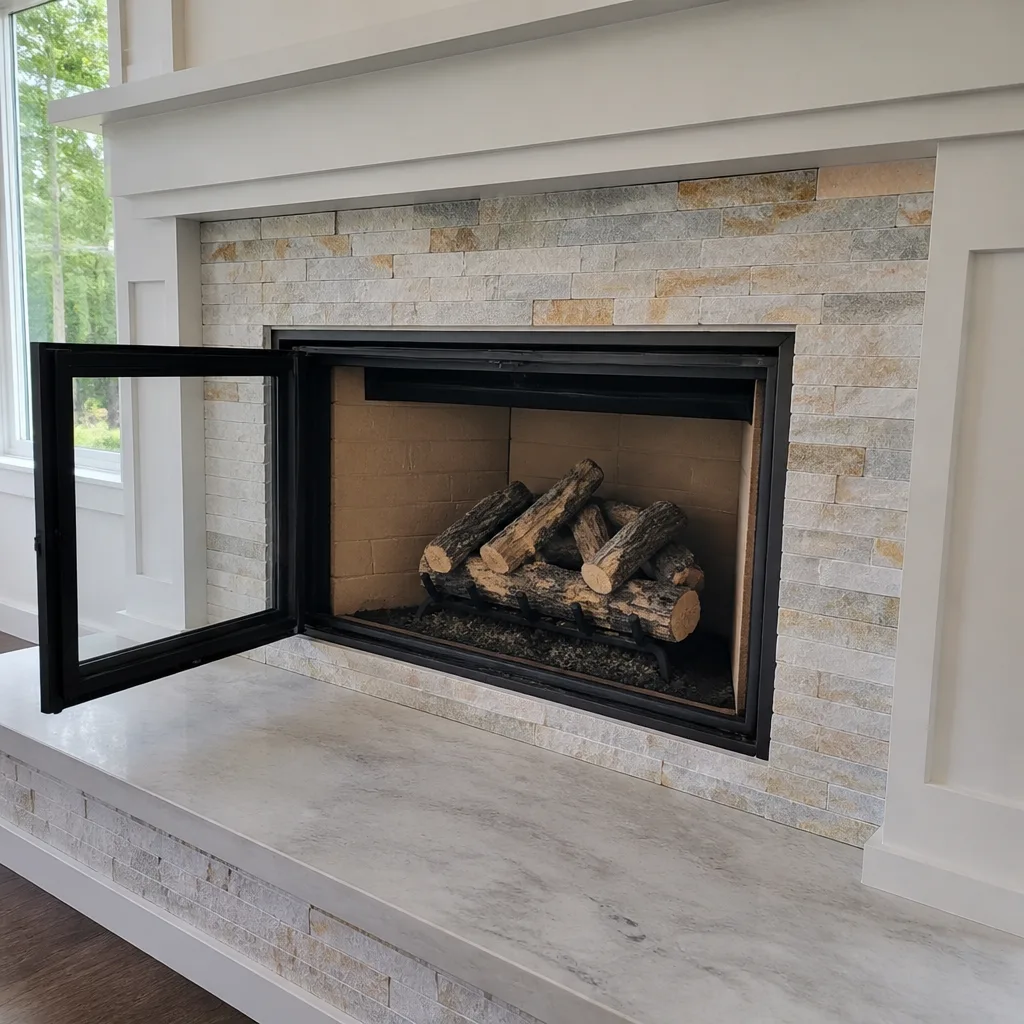 Gas fireplace service
Level 1 sweep and inspection to the NFPA 211 annual standard - flue, crown, cap, and flashing checked and photographed
Chimney sweep logs do not sweep chimneys. They loosen some creosote - which then falls where a brush and vacuum still have to collect it.
How to Hire a Chimney Cleaning Contractor in Newport Beach: A Step-by-Step Guide
A “$49 chimney sweep” ad is almost never what it sounds like. It’s a loss leader designed to get a technician inside your home, where the real pitch starts: cracks in the flue you can’t see, a crown that’s “about to go,” a liner that supposedly needs replacing before the next fire. Some of those findings are real. Many aren’t. Newport Beach has plenty of legitimate, certified chimney specialists working alongside unlicensed handymen who buy a brush and a ladder and call themselves sweeps. This guide gives you a concrete vetting framework so you can tell the difference before anyone climbs on your roof.
Styles & brands we work with
- Sweep & inspection
- Caps & crowns
- Flue relining
- Masonry repair
- Gas fireplace service
Quick Answer
To hire a chimney cleaning contractor in Newport Beach, verify three things before you book: CSIA certification (the industry’s recognized credential), a California C-61 limited specialty contractor license (or the correct classification for the work being quoted), and a written scope of work based on a Level I inspection, not a flat phone quote. A legitimate specialist will answer credential and process questions without hesitation, show you what they found on camera, and specify materials by brand in the written proposal. If any of those three is missing, walk away.
Table of Contents
- Why hiring the right chimney contractor in Newport Beach matters more than you’d think
- The credentials that actually matter: CSIA and C-61
- Five questions to ask on the phone
- Why the estimate process tells you everything
- Reading reviews the way a specialist does
- What a legitimate proposal includes (and why brand specificity protects you)
- The step-by-step hiring process
- Common mistakes to avoid
- When to call a professional
- Frequently asked questions
- The bottom line
Why hiring the right chimney contractor in Newport Beach matters more than you’d think
Chimneys don’t fail dramatically. They fail slowly, quietly, and mostly out of sight. A crack in the flue tile, a rotted crown, a gap where the flashing meets the roofline – none of these announce themselves. What they do instead is let moisture in and let combustion gases escape where they shouldn’t. By the time a homeowner notices, the repair has usually grown from a cleaning into a rebuild.
That’s the practical reason to be careful about who you hire. A sweep who knows what they’re looking at will catch those problems early, when they’re still cheap to fix. A sweep who doesn’t – or worse, who uses the inspection as a sales tool – will either miss the real issue entirely or oversell work you don’t need.
In Newport Beach, the fireplace isn’t decorative for most of our customers. Evenings here cool off fast, and a working fire gets real use from fall through spring. That means the flue is accumulating creosote at a steady rate, the firebox is taking real heat, and the chimney is doing actual work rather than sitting idle as a design feature. A chimney that gets used needs to be inspected and swept on a regular schedule – and it needs someone who treats the inspection as a documented step, not a glance before the brush goes up.
The other layer here is the housing stock. Newport Beach has a wide mix of older homes with original masonry chimneys and newer construction with factory-built systems, plus a healthy number of properties that changed hands recently. Each type has different failure points and different parts that need to be specified correctly. A one-size-fits-all sweep can’t tell the difference.
The credentials that actually matter: CSIA and C-61
Two credentials separate a specialist from a generalist, and they verify two different things. Knowing what each one actually means is the first step in screening.
CSIA certification
The Chimney Safety Institute of America (CSIA) is the recognized certification body for chimney sweeps in the United States. A CSIA-certified sweep has passed a written exam covering chimney construction, venting, combustion, and safety, and has signed on to the CSIA code of ethics. The certification requires continuing education to maintain.
What this verifies: the sweep has baseline technical knowledge of how a chimney works and has agreed to a standard of professional conduct. What it doesn’t verify: how long they’ve been doing the work, how good they are on a roof, or whether they’ll try to oversell you.
Still – if a contractor can’t produce a CSIA certification (or send you to a sweep who has one), that’s a signal. It’s not the only signal, but it’s the easiest one to check on the front end.
California C-61 limited specialty contractor license
In California, chimney work typically falls under a C-61 Limited Specialty Contractor license, a category that allows a contractor to perform a specific trade without holding a full general contractor’s license. Chimney sweeping and the associated repair work are covered here. Masonry repairs may require a different classification depending on scope, and a contractor should be straightforward about which license covers which portion of the job.
What this verifies: the contractor is licensed by the California State License Board, carries the required insurance and bond, and is subject to the CSLB’s complaint and discipline process. You can verify any license number directly on the CSLB website using the number the contractor provides.
What it doesn’t verify: that the contractor actually knows chimneys. There’s no chimney-specific exam in the C-61 category. That’s why the CSIA piece matters alongside it.
When you’re comparing contractors in Newport Beach, ask for both: CSIA certification and CSLB license number. A legitimate specialist hands both over without a pause. A contractor who dodges either question is telling you something.
Five questions to ask on the phone
You can learn a lot in a five-minute phone call. These are the five questions that separate a specialist from a lead generator – and the evasive answers that tip you off before you’ve booked anything.
-
“Are you CSIA-certified, and can you give me your CSLB license number?”
A specialist answers with both numbers immediately. Evasive answer: “We don’t need a license for sweeping” or “we’re insured” without a number. Neither is sufficient in California. -
“Do you inspect before you sweep?”
A specialist says yes and explains that the inspection, not the sweep, is the point of the visit. Evasive answer: “We sweep, and if we find anything we’ll let you know.” That’s a sales model, not an inspection. -
“What’s your process for documenting what you find?”
A specialist describes a Level I inspection, a camera or visual report, and photos or a written record you keep. Evasive answer: “I’ll tell you on the roof.” -
“Which brands do you install for liners and crowns?”
A specialist names specific brands. We use DuraFlex for flexible liner systems, HeatShield for liner resurfacing, and Gelco and Famco for cap and crown components – names chimney professionals recognize. Evasive answer: “We use the best” or “quality materials.” That’s a phrase, not a product. -
“Can you send me a written estimate with the scope spelled out before I commit?”
A specialist says yes. If they’ve done an inspection, the scope should specify materials, quantities, and what’s being replaced or repaired. Evasive answer: “We’ll give you a ballpark on the phone.” Flat phone quotes for chimney work are almost always either padded or incomplete.
The pattern is simple: real specialists volunteer information. Unlicensed handymen and lead-gen sweeps deflect. Your job on the call is to listen for which one is happening.
Why the estimate process tells you everything
The single most revealing moment in hiring a chimney contractor is the transition from “how much” to “what will the work actually involve.” A legitimate specialist doesn’t skip that transition. An unlicensed handyman does. The shape of the estimate process itself is the vetting.
A proper scope requires an inspection, not a phone number
You can’t quote chimney work over the phone. A chimney sweep quote depends on what’s actually in the flue, how heavily it’s accumulated, whether the firebox has damage, whether the crown is intact, and whether the liner is the correct type for the fuel being burned. None of that is knowable without looking. A specialist who quotes you a flat rate on the phone is either quoting high enough to cover every possible scenario, or planning to upsell once they’re on site.
What a Level I inspection actually is
A Level I inspection is the baseline visual inspection defined by industry standards. It’s performed on chimneys that are accessible and not undergoing a change in use, and it covers readily accessible portions of the chimney, firebox, flue, and vent system. That’s the inspection that should precede every sweep. A Level II inspection – which includes a camera scan of the flue interior – is what you want when the property just changed hands, when there’s been a change of fuel or appliance, or when a Level I has flagged something that needs a closer look.
Why the sequencing matters
If the sweep happens first and the inspection is treated as a byproduct, you don’t get a real record of what was there before. If the inspection happens first, you know what’s in the flue before anything changes, and the report you walk away with is something you can actually use – for a real estate transaction, for an insurance conversation, for a maintenance baseline. It’s a small change in sequence that flips the visit from “cleaning” to “assessment.” As a specialist, we inspect before we sweep for exactly this reason.
The upsell pattern to watch for
If a contractor arrives, sweeps, and then presents a repair estimate before you’ve seen a camera image or a written report of what they found, stop. That’s not to say the repair isn’t real – it might be. But you can’t evaluate it without evidence, and any legitimate specialist will provide the evidence before they ask you to approve the spend. A “$49 sweep” that ends in a five-figure liner quote, with no photos and no scope, is the outline of the problem.
Reading reviews the way a specialist does
Reviews are useful, but not the way most people read them. What you’re looking for isn’t the star average. It’s the specificity, the pattern, and the language people use to describe what was actually done.
Signal: reviewers name the specific work
A real review mentions what was done, not just that the technician was polite. Look for language like “swept and inspected the flue,” “replaced the crown,” “installed a new cap,” “showed me photos of the interior.” A review that mentions brand names or specific repair types is a stronger signal than a review that just says “great service.”
Signal: reviews cluster naturally over time
Organic reviews trickle in. A sudden cluster of five-star reviews with similar phrasing, posted within a short window, followed by silence, is a pattern worth being suspicious of. It’s not conclusive, but combined with vague language and no specific work mentioned, it tells you something.
Signal: the review mentions the estimate or the report
Reviews that talk about a “written estimate,” “photos of what they found,” or “showed me the camera footage” are the strongest signals of a real inspection process. Reviews that talk about a “great price” or “fast service” without mentioning what was actually done are the weakest.
Red flags to look for
- Vague five-star clusters with similar phrasing and no mention of specific work.
- Reviews that praise the price but say nothing about the inspection or the report.
- A high volume of reviews in a short time followed by a flatline.
- No reviews that mention a real problem found and fixed – real chimney specialists almost always generate these.
- Reviews that mention a technician “finding” a problem without mentioning evidence shown to the homeowner.
None of these is disqualifying on its own. Two or three of them together, on a company that also can’t produce a CSIA number, is a clear pass.
What a legitimate proposal includes (and why brand specificity protects you)
The written proposal is where the specialist and the handyman separate. It’s also where most homeowners lose the protection they thought they were getting. A proposal that says “chimney cap” or “crown coat” without naming the product is a proposal you can’t hold anyone to.
What to look for in the written scope
- Materials named by brand and product type. Not “liner” but “DuraFlex flexible liner, [size and length].” Not “resurfacing” but “HeatShield resurfacing system.” Not “cap” but “Gelco cap” or “Famco crown.” The brand name tells you the product tier and where the contractor sourced it.
- Quantities and dimensions. The length of liner, the size of the cap, the square footage of crown repair. Specificity prevents both under-quoting and scope creep.
- What is and isn’t included. Is the old liner removed? Is the crown removal included or extra? Are flashing and masonry repair in scope or separate?
- The inspection report attached. The proposal should reference the Level I inspection findings – the specific cracks, deficiencies, or measured creosote levels that justify the recommended work.
- A clear statement of what can safely wait. A specialist will tell you what’s urgent and what isn’t. If everything on the proposal is presented as urgent, be skeptical.
Why brand specificity protects you
Generic parts vary widely in quality, and there’s no way to compare a “crown coat” from one contractor to a “crown coat” from another without knowing what the product actually is. When the proposal specifies HeatShield for liner resurfacing, or HeatShield for a crown seal, or DuraFlex for the liner itself, you can compare apples to apples across quotes. When it doesn’t, the contractor is free to install the lowest-cost component that meets the minimum – and the difference in lifespan between a professional-grade product and a hardware-store substitute is not small.
This is also where the materials question becomes a trust question. A specialist uses professional-grade components because the premium products are the ones that hold up: Gelco and Famco components for cap and crown work, HeatShield for resurfacing without the cost of a full reline, DuraFlex for liner replacements that match the chimney’s actual shape rather than a generic tube. These are brands chimney specialists nationwide specify because they work. When the proposal names them, the contractor is telling you what’s going in, and you can hold them to it.
The step-by-step hiring process
Read this as the sequence to follow, from first phone call to completed work. It’s the same sequence every time a homeowner asks us how to hire a chimney sweep in Newport Beach, and it applies whether the chimney is in a bayfront property, a hilltop home, or a condo with a single fireplace.
-
Verify CSIA certification and CSLB license. Ask for both on the first call. Look up the license number on the CSLB site. The CSIA certification should be verifiable through the CSIA directory.
-
Confirm the inspection comes before the sweep. If the contractor doesn’t do a Level I inspection as a standard part of the visit, that’s your answer. Move on.
-
Ask for the written scope and brand names. A legitimate contractor will name specific brands for liner, resurfacing, cap, and crown work. We use DuraFlex, HeatShield, Gelco, Olympia Chimney, Famco, and Copperfield depending on the job – if the contractor can’t name anything, that’s the gap.
-
Review the inspection report before you approve any repair. Photos, camera footage, or a written report of what was found. If the report doesn’t show the problem, ask to see it. A specialist will show you.
-
Get the proposal in writing, with materials and quantities. Compare it to the inspection findings. If the two don’t match, ask why.
-
Ask what can safely wait. A specialist will distinguish between what needs to happen this season and what can be scheduled down the road. If everything is urgent, that’s a sales pattern, not a work assessment.
-
Book the sweep, the repair, or both with one company if possible. When the same company performs the inspection, the sweep, and any repair, there’s one set of eyes on the chimney and one point of accountability from firebox to crown. Referrals between contractors introduce a handoff, and handoffs are where scope gets lost.
-
Keep the report and the proposal for your records. Real estate transactions, insurance conversations, and future maintenance comparisons all get easier when the file is complete.
If you’re going through this sequence for a Newport Beach home you just purchased, the Level II inspection (with the camera scan) is worth asking about directly – a recent sale is one of the specific triggers for that level of inspection. If you’re going through it for a home you’ve lived in for years and haven’t had serviced, the same sequence applies but the urgency is higher.
Common Mistakes to Avoid
-
Booking the “$49 sweep” without asking what happens after it. The low price is the entry point, not the price of the job. Ask on the call what the contractor’s process is for findings, how they present them, and whether you’ll see the evidence before you’re asked to approve any repair.
-
Skipping the license check. A business card with a phone number isn’t a license. The CSLB lookup takes two minutes and settles the question.
-
Approving a repair based on a verbal description. If you can’t see the crack, the rot, or the camera view, you can’t evaluate whether the repair is real. Ask to see what was found before you sign anything.
-
Accepting a proposal that names no products. “Chimney cap” and “crown coat” are categories, not products. A proposal without brand specifics can’t be compared to anything.
-
Waiting until the first fire of the season to book. Newport Beach’s fireplace season starts when evenings cool off, and that’s the same window everyone else calls in. A sweep booked before the first fire gives you room to address anything found without rushing the repair.
-
Assuming a “clean” chimney is a safe one. A sweep with a brush and no inspection leaves you with less information than you started with – you’ll know the flue is clear, but not whether the liner is intact or the crown is failing. The inspection is the point.
-
Taking a flat phone quote as a complete price. Chimney work isn’t scoped over the phone. A flat quote is either padded for the worst case or missing the real work – either way, you’re not getting an honest number.
When to Call a Professional
Some chimney situations can wait a season. Others can’t, and knowing the difference protects your home and your family. Call a professional if you’re seeing any of the following: a strong, persistent odor from the fireplace even when it’s not in use; visible soot stains on the firebox or smoke backing up into the room; cracked or missing mortar at the crown or top of the chimney; water stains on the ceiling or the top of the firebox; or a chimney that hasn’t been serviced in more than a year. Call before the first fire of the season if the fireplace has been dormant. Call before closing on a home if the chimney hasn’t been inspected recently. And call if you’re not sure – an inspection will tell you whether you have a problem or not. Newport Beach Chimney Sweep Pros offers free estimates in Newport Beach – call (844) 573-0875.
Frequently Asked Questions
Chimney cleaning in Newport Beach is quoted per job based on what’s actually in the flue, the length and condition of the chimney, and whether any repair is needed. Most sweeps are priced in a modest range, and any repair work is scoped separately after the inspection. There’s no accurate flat quote over the phone, and a contractor who offers one is either padding for the worst case or planning to upsell once on site. Call (844) 573-0875 for a free estimate – the written estimate sets the final price.
Yes, for a chimney that’s in active use. Annual inspection is the baseline that catches problems while they’re still small – a hairline crack in the flue tile, a small gap in the crown, early-stage creosote buildup that hasn’t yet glazed. The inspection itself is short, and the report gives you a record to compare against next year. If the chimney is dormant and hasn’t been used in some time, a professional should still look at it before you start using it again.
They refer to the same physical service – removing creosote, soot, and debris from the flue with brushes and vacuums – but the terms are often used to distinguish the two parts of the visit. Cleaning is the actual removal of deposits. Sweeping is often used interchangeably. What matters in either case is that the removal is preceded by an inspection, so you know what was there before the brush went up. We inspect before we sweep for that reason.
CSIA certification verifies that a sweep has passed the Chimney Safety Institute of America’s written exam, covering chimney construction, venting, combustion, and safety, and has signed on to the CSIA code of ethics. The certification requires continuing education to maintain. It doesn’t verify how long the sweep has been doing the work or how good they are on a roof – but it does confirm baseline technical knowledge and a professional standard of conduct. Combined with a CSLB license, it’s the strongest front-end credential pair available.
Because a proposal that names brands can be compared to another proposal that names brands, and a proposal that doesn’t can’t. “Chimney cap” could mean a cable-tied generic unit or a Gelco or Famco cap built for lifespan – and there’s no way to know which from the description alone. “Crown coat” could mean a hardware-store sealant or a HeatShield resurfacing system. Brand specificity is what turns the proposal from a category description into a product commitment. It also tells you the contractor sourced professional-grade components rather than substitutes.
Creosote continues to accumulate with every fire, and at higher levels it becomes combustible – which is the actual chimney fire risk. The other slow problem is moisture: a cracked crown or missing cap lets water into the flue, which damages the liner and can migrate into the masonry and the ceiling. Neither of these announces itself, and both get more expensive to fix the longer they sit. A sweep and inspection is inexpensive relative to either outcome. Call (844) 573-0875 for an exact quote – estimates are free.
The Bottom Line
The right chimney contractor in Newport Beach is somebody you can verify, whose process you can follow, and whose proposal specifies what’s actually going in. CSIA certification and a CSLB license cover the credentials. The five phone questions cover the process. The inspection before the sweep covers the evidence. And brand-named materials in the written proposal cover the work itself. If a contractor satisfies those four checks, you’re working with a specialist. If any one of them fails, you’re not – and the difference matters on every fireplace from the Balboa Peninsula to the hills above Newport Coast. We carry and install parts from DuraFlex, HeatShield, Gelco, Olympia Chimney, Famco, and Copperfield – not generic substitutes – and we’ve been doing this long enough to know what a real inspection turns up.
If you’re the kind of homeowner who wants confidence that the fireplace is genuinely safe – not just visually clean – we’re set up to do the sweep, the inspection, and any repair in one visit. Newport Beach Chimney Sweep Pros handles the full chimney, from the firebox to the crown, with single-company accountability. Our chimney sweep service includes the Level I inspection and a documented report. If the inspection turns up firebox damage, we handle fireplace repair in-house, and if it turns up flue or crown issues, our chimney repair work is scoped with the specific materials we’ll install. One call handles all of it.
Call (844) 573-0875 for a free estimate. We answer 24/7. Fast dispatch from 7am to 7pm, Sunday through Friday. Our technicians have up to 13 years of experience, and every job is priced per job by the written estimate.
Written by the team at Newport Beach Chimney Sweep Pros.
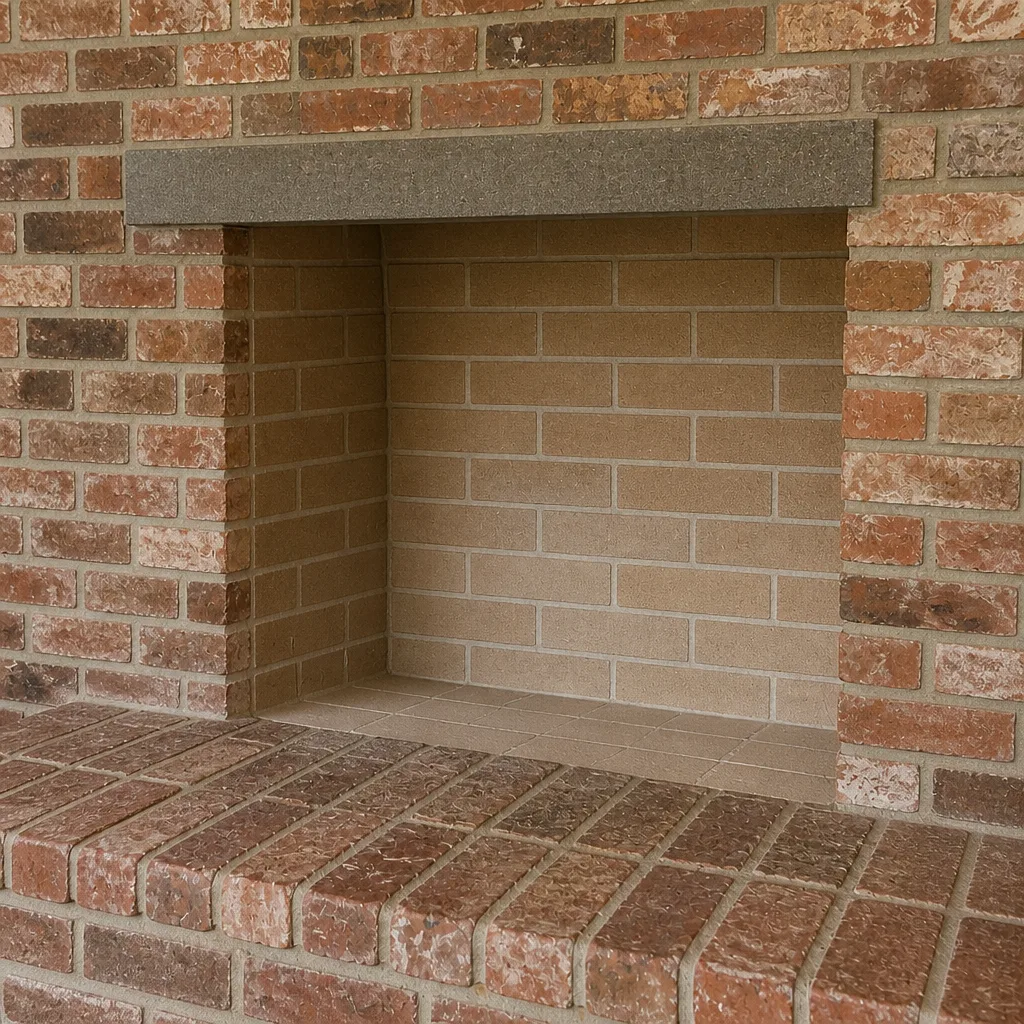
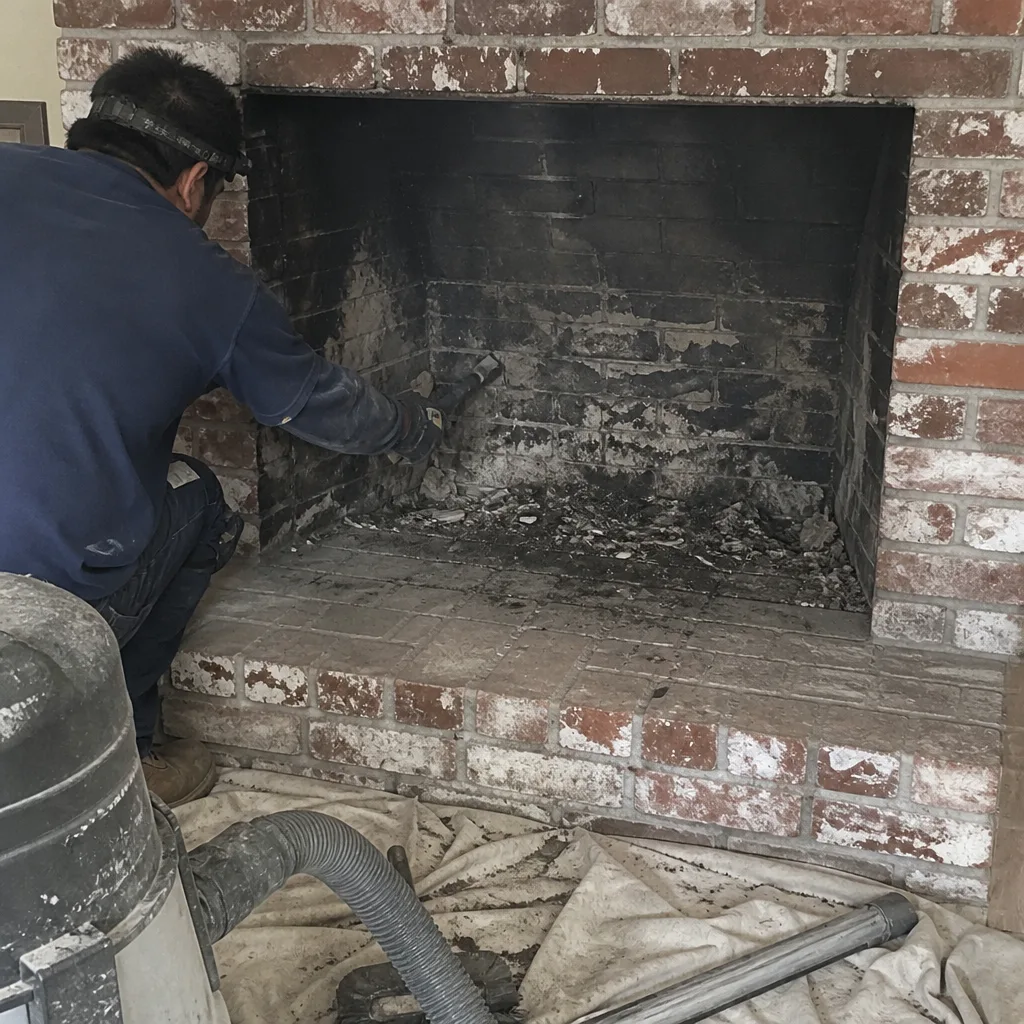
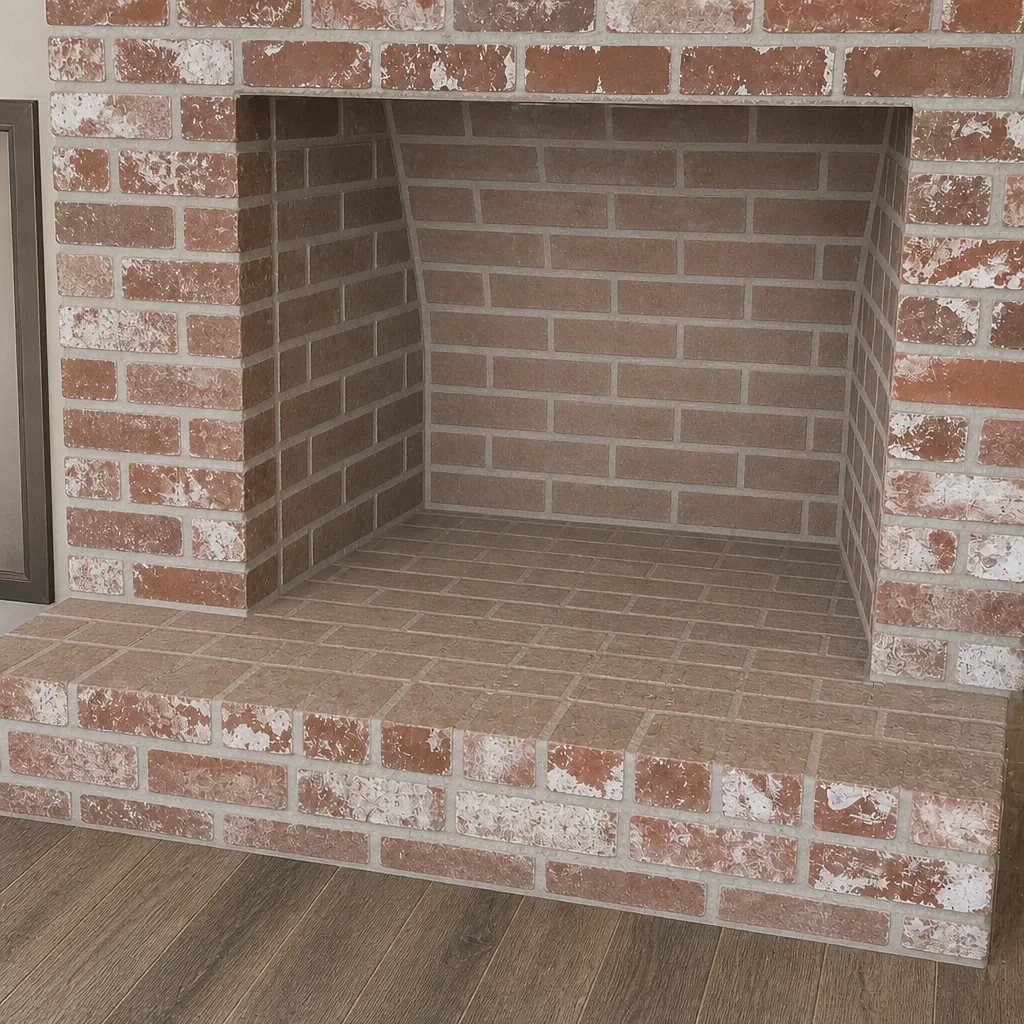
See the difference
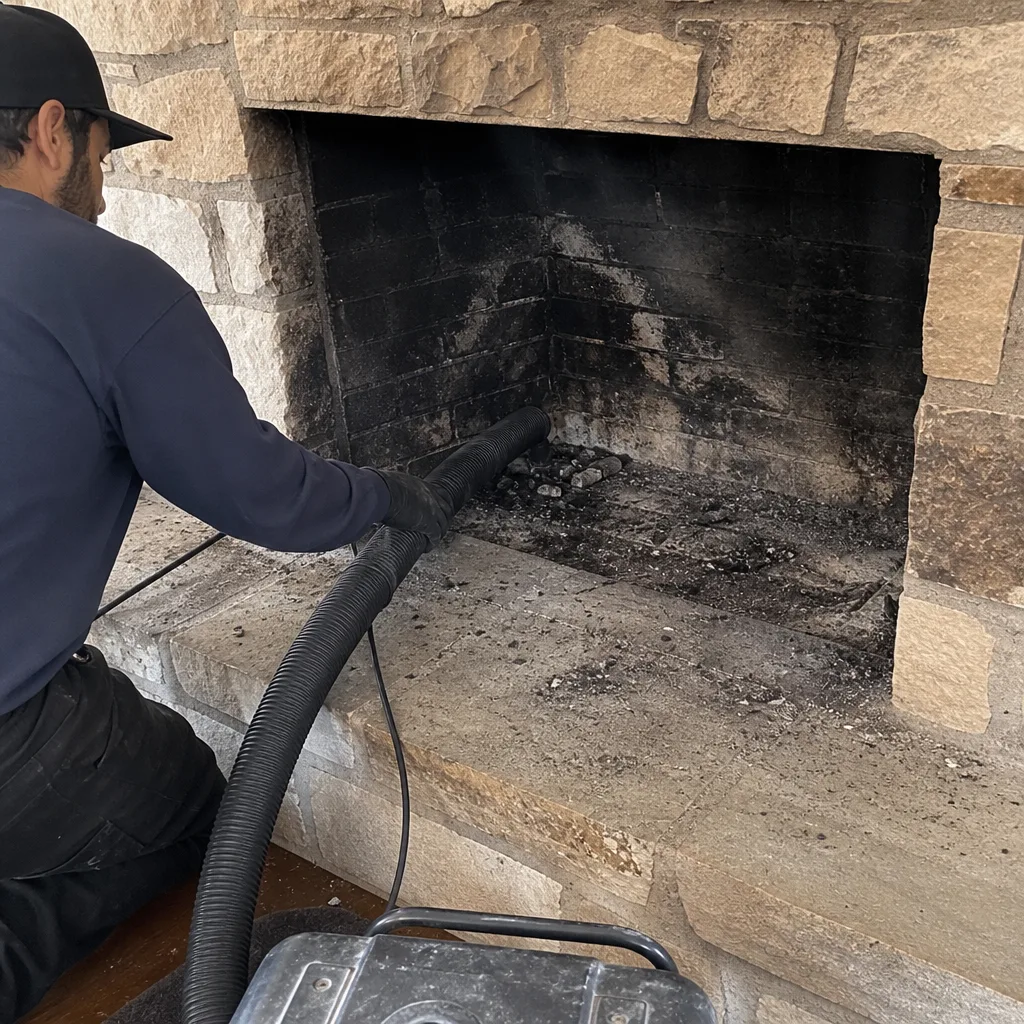 Before
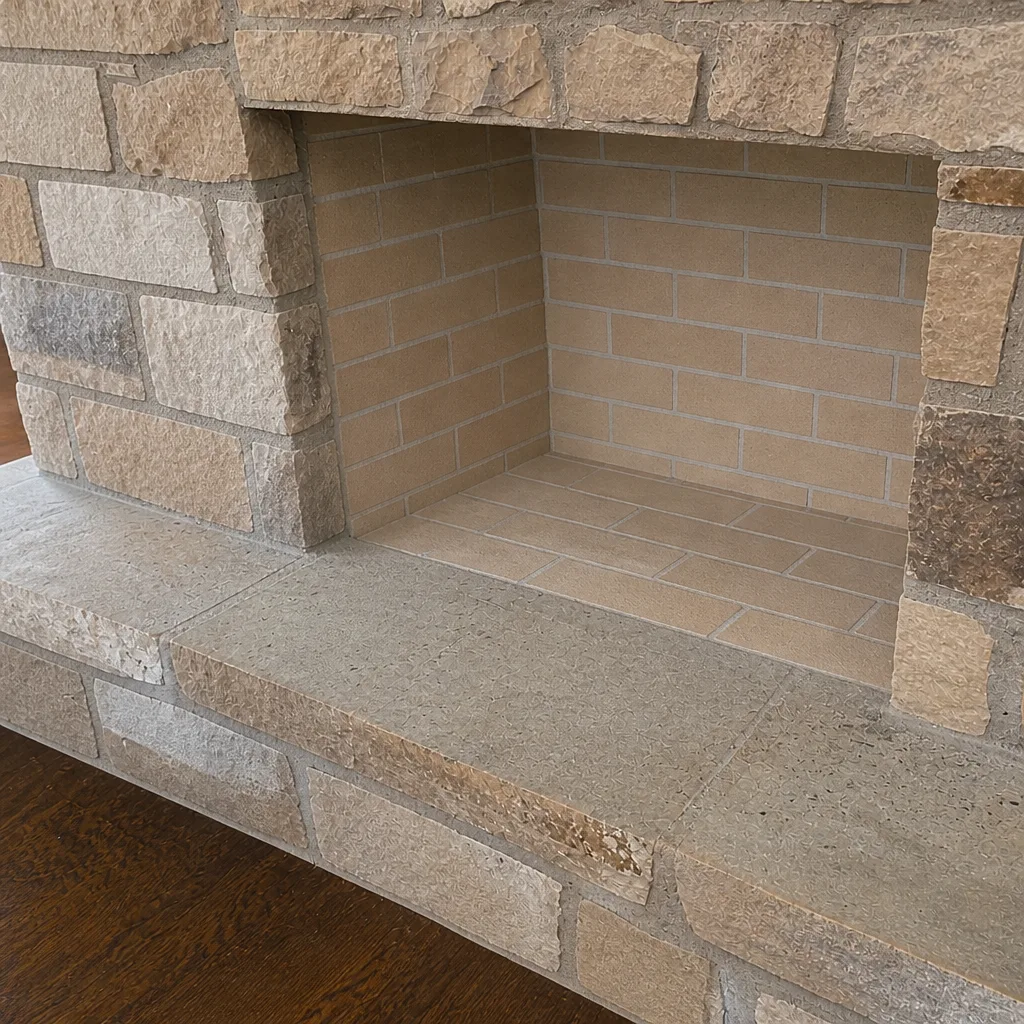 After
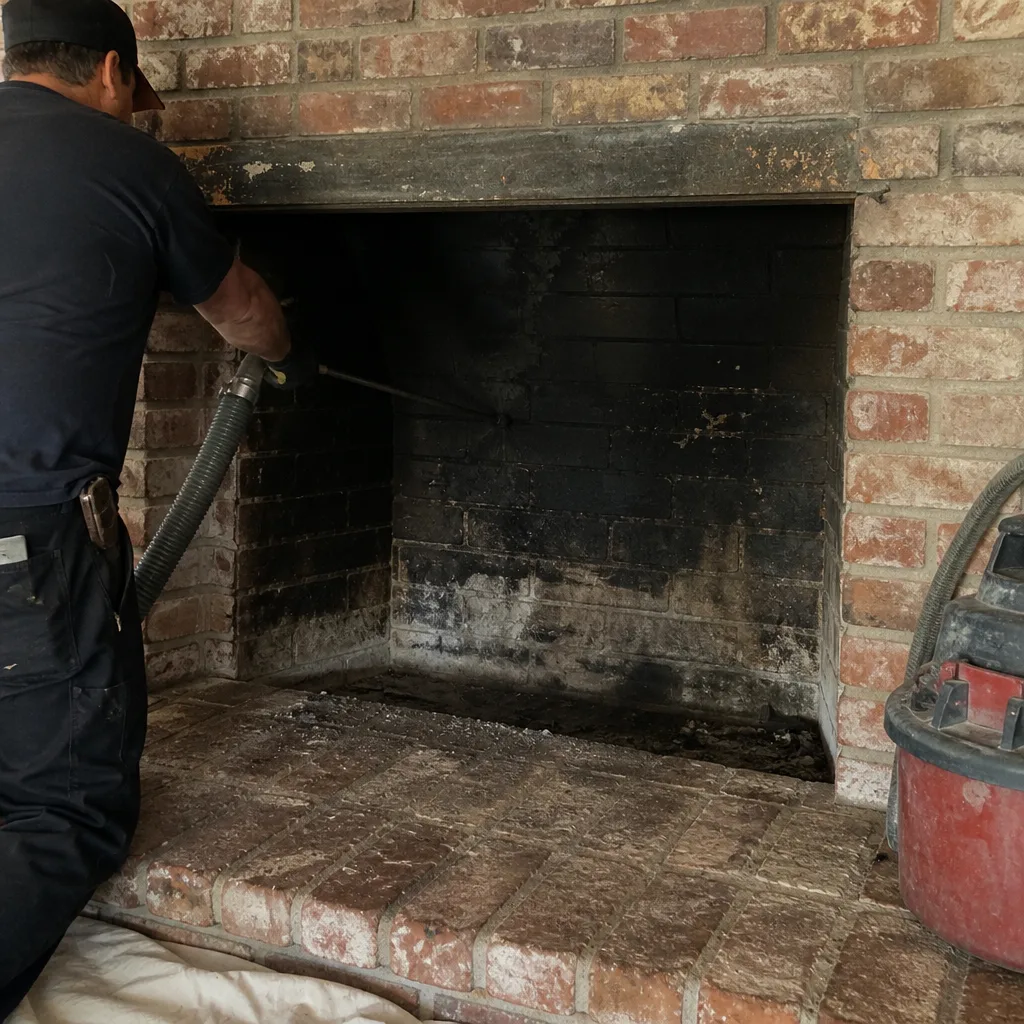 Before
 After
 Before
 After