
Last updated November 25, 2026
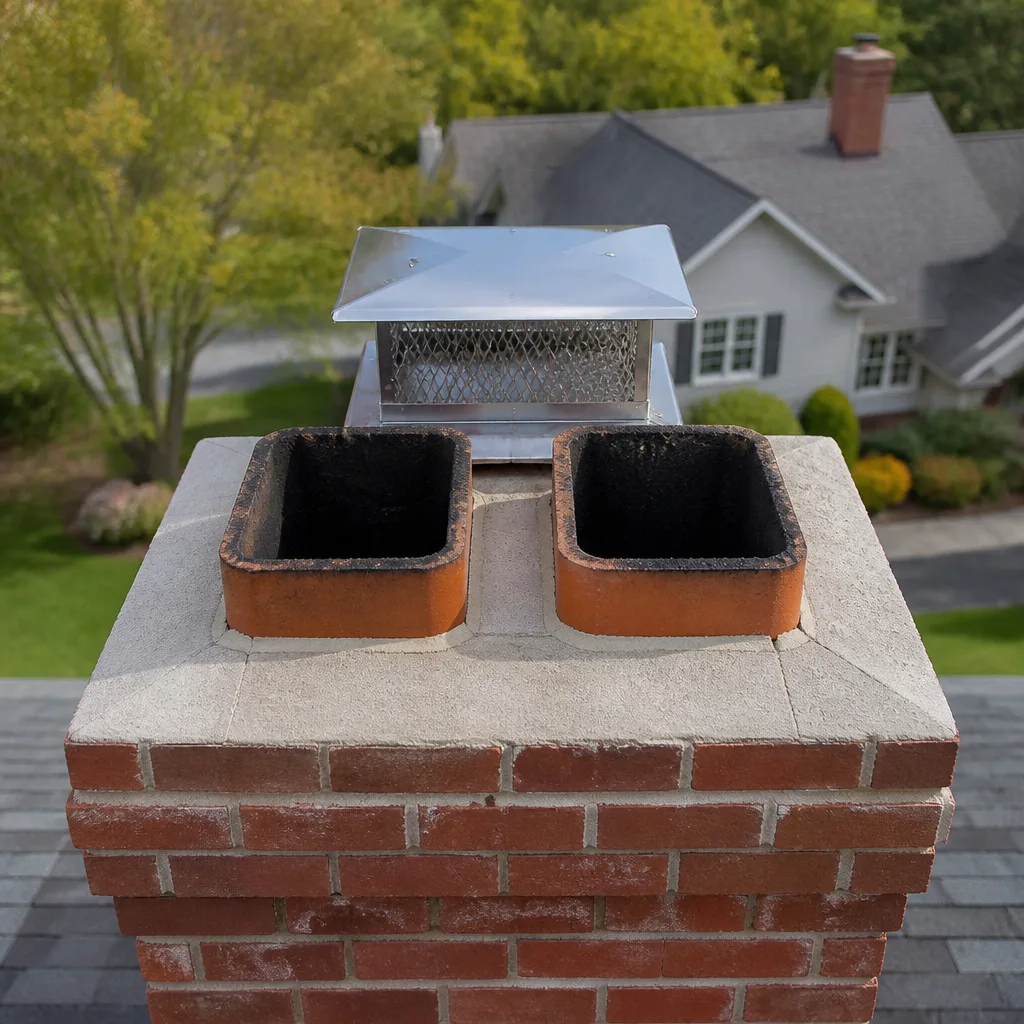 Sweep & inspection
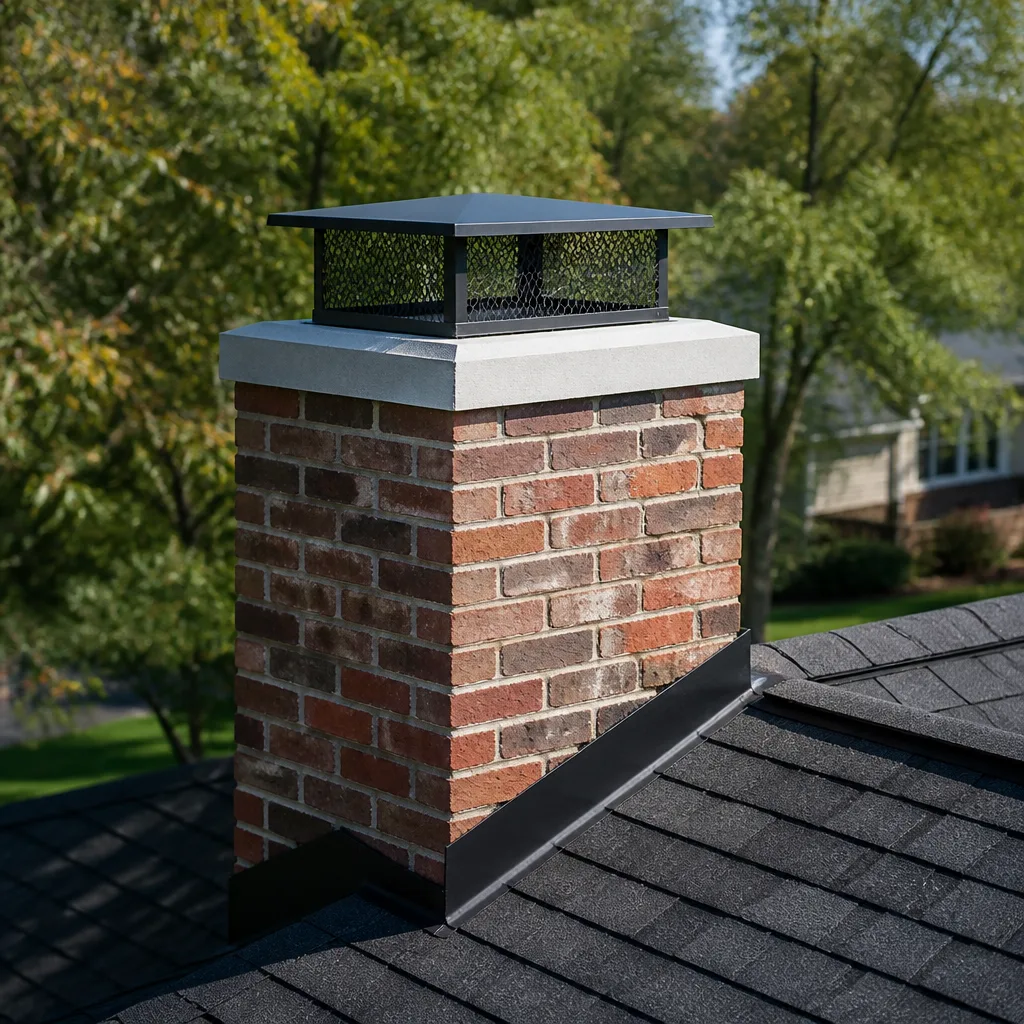 Caps & crowns
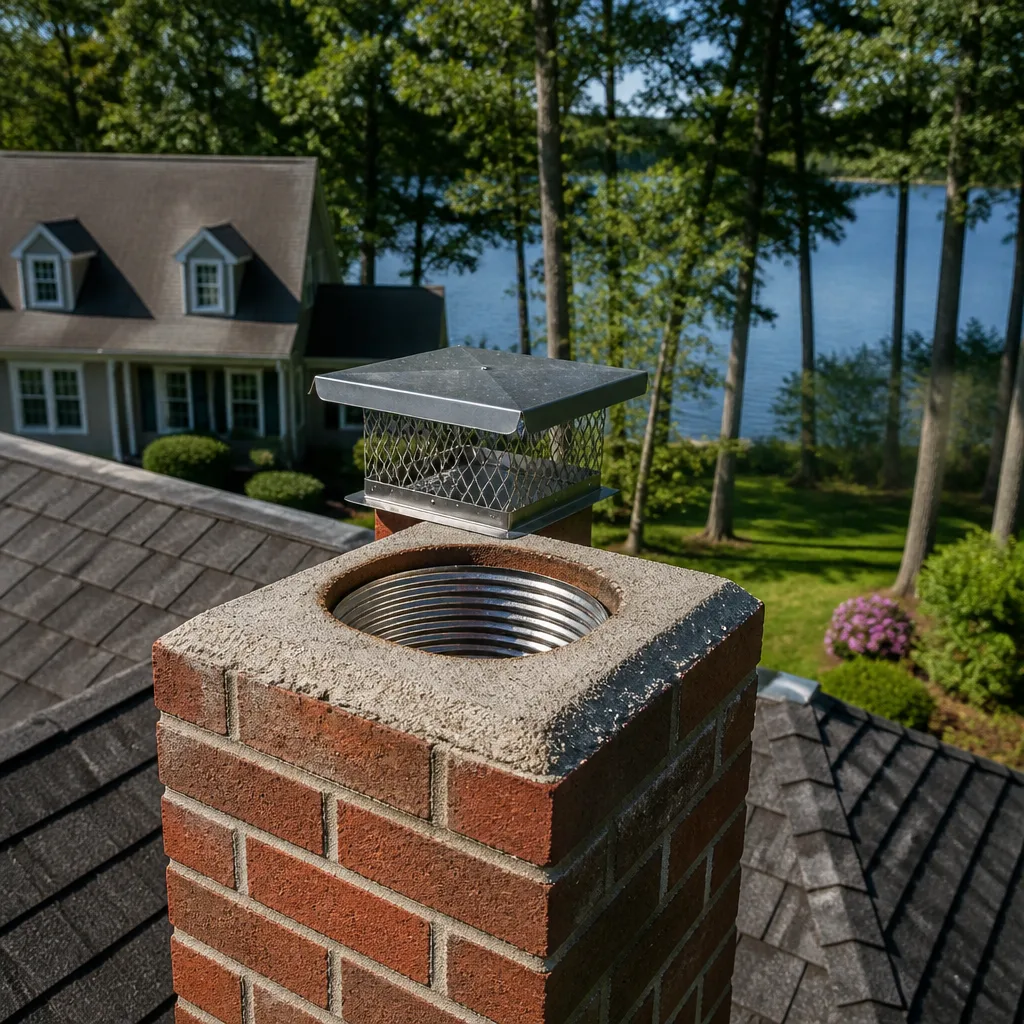 Flue relining
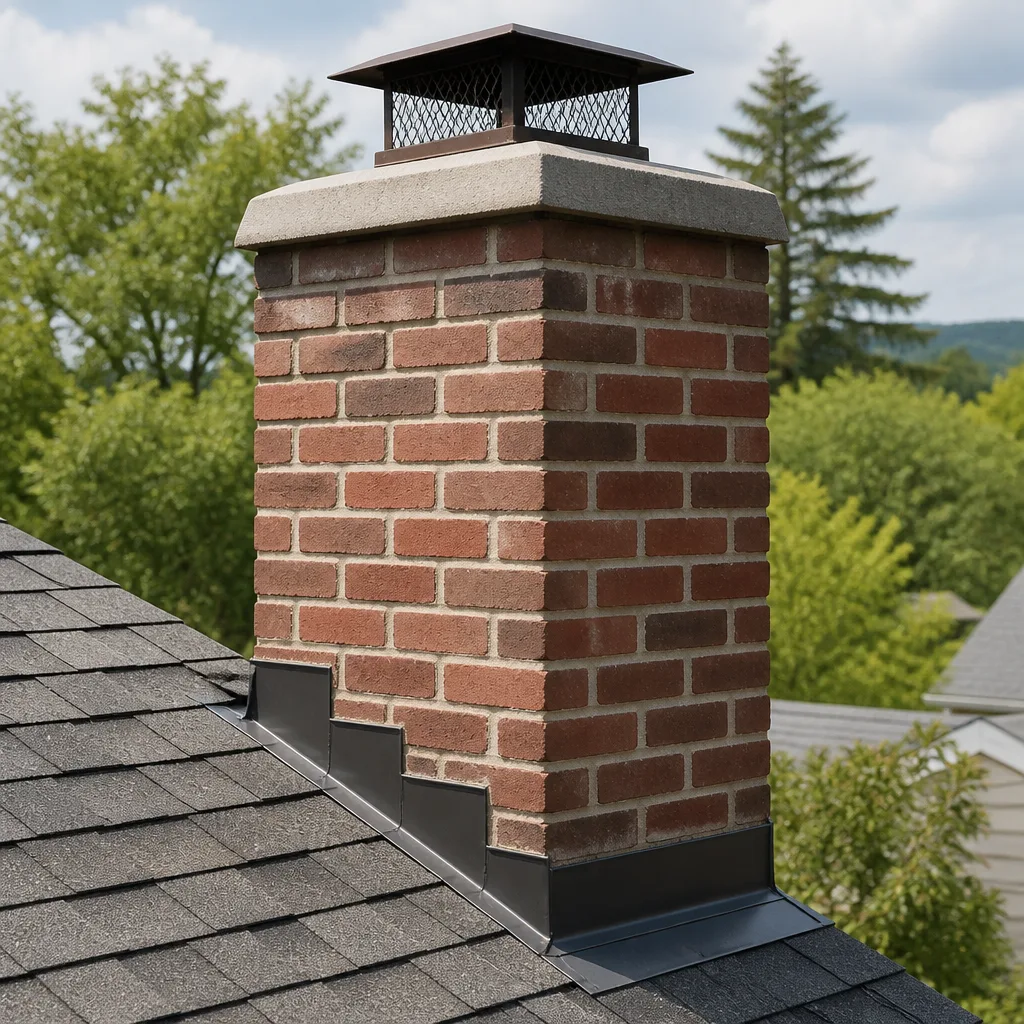 Masonry repair
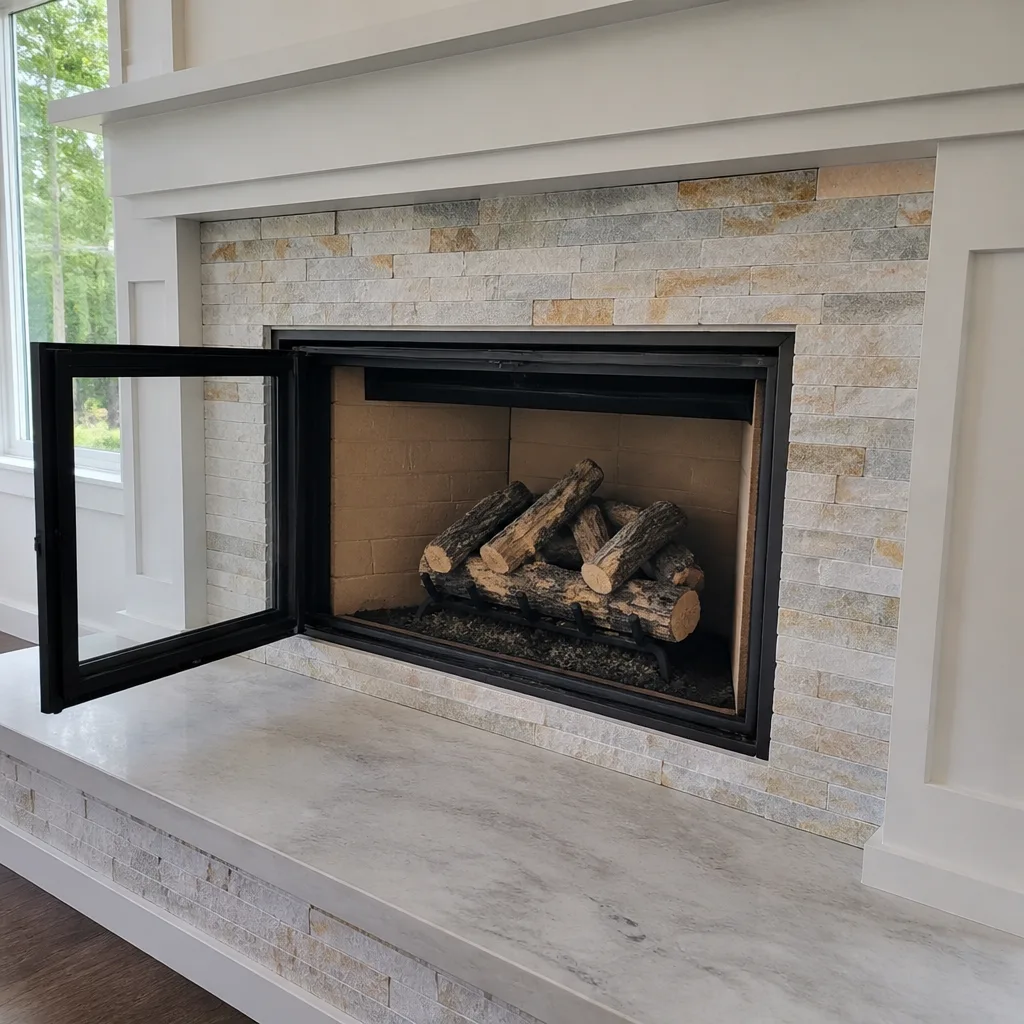 Gas fireplace service
Level 1 sweep and inspection to the NFPA 211 annual standard - flue, crown, cap, and flashing checked and photographed
Chimney sweep logs do not sweep chimneys. They loosen some creosote - which then falls where a brush and vacuum still have to collect it.
Chimney Cleaning Emergency Preparedness Guide for Newport Beach Homes
A chimney fire sounds like a freight train running through your roof, and if that description is new to you, you’re not prepared. The first thirty seconds after something goes wrong in a flue decide whether the problem stays inside the chimney or spreads into the structure of the house. Most homeowners never think about that window until they’re standing in it, phone in hand, trying to decide between a garden hose and 911.
What follows is a working plan for the three chimney emergencies Newport Beach homeowners actually face: a fire in progress, carbon monoxide with no smoke to warn you, and storm damage from Santa Ana winds. You’ll get an action protocol for each, what to document afterward, and why routine care is the most effective preparedness step you can take. We’re Newport Beach Chimney Sweep Pros, and this is how we think about it.
Quick Answer
Chimney emergency preparedness in Newport Beach means three things: know the immediate steps for a chimney fire (close the damper, get out, call 911), recognize carbon monoxide risk when there’s no visible smoke, and treat Santa Ana wind damage to a cap or crown as a reason to stop using the fireplace. Every one of these scenarios is far less likely in a chimney that gets a professional inspection and sweep each year. Preparedness is mostly maintenance done early, not reaction done fast.
Styles & brands we work with
- Sweep & inspection
- Caps & crowns
- Flue relining
- Masonry repair
- Gas fireplace service
Table of Contents
- The Three Chimney Emergencies Newport Beach Faces
- Chimney Fire in Progress: What to Do in the First Thirty Seconds
- Carbon Monoxide: The Chimney Emergency With No Smoke
- Santa Ana Wind Damage: Use the Fireplace or Not?
- What to Document After Any Chimney Emergency
- Why a Maintained Chimney Is an Emergency-Ready Chimney
- Common Mistakes to Avoid
- When to Call a Professional
The Three Chimney Emergencies Newport Beach Faces
Not every chimney problem belongs in the same category, and lumping them together is where people get hurt. In our experience around Newport Beach, the calls break down into three groups, and each one needs a different first move.
Chimney fires. These come from creosote igniting inside the flue. They can be roaring and obvious or quiet and slow. The response is immediate evacuation and a 911 call.
Carbon monoxide intrusion. This is the emergency with nothing to see. A blocked, cracked, or disconnected flue can push combustion gases back into the living space. There’s no smoke smell to alert you, which is exactly why it’s dangerous. The response is fresh air, evacuation, and a call to the gas utility or 911 depending on symptoms.
Storm and wind damage. Newport Beach gets Santa Ana wind events that push hard gusts across rooflines. A cap can be torn loose or a crown cracked, and the fireplace keeps working just well enough that nobody notices the change. The response is to stop burning until the chimney has been inspected.
Each category has its own protocol below. Read all three before you need them, because none of them gives you time to look things up. This is the same reason we treat inspection as a standalone, documented service rather than a quick glance before a sweep: knowing the condition of your flue before an emergency is a plan, and knowing it after is a scramble.
Chimney Fire in Progress: What to Do in the First Thirty Seconds
The first move in a chimney fire is to stop feeding air to it. Close the glass doors or the firebox screen, make sure the damper is shut, get everyone outside, and call 911. Do not open the damper to “check” the flue. Do not spray water into a hot firebox. Do not wait to see if it goes out on its own.
Here’s the full sequence, in order:
- Close the damper and any glass doors. A chimney fire feeds on oxygen. Closing the damper reduces the draft pulling air up the flue. This is the one moment a closed damper helps instead of hurts.
- Get everyone out of the house. Move to the street or the front yard. If you can, take a phone and, on the way out, note whether you see smoke or flames at the chimney top.
- Call 911. Even if you think it’s small. Fire departments would rather arrive to a flue fire than a roofline fire, and a fire that has “gone out” can still be burning inside a chimney chase.
- Do not use water. A garden hose into a firebox can crack masonry, spray scalding steam, and push the fire into a wall cavity. Let the fire department handle it.
- Watch the chimney top from outside. Sparks or flames visible above the crown mean the fire has reached the top. Tell the responding crew what you saw.
- Do not relight the fireplace afterward. A chimney that has been through a fire needs an inspection before it’s used again, no exceptions.
You’ll see advice online about creosote logs self-extinguishing a chimney fire. Treat that as dangerous fiction. A chimney fire can burn hot enough to crack clay tile, warp a metal liner, and draw flames against framing it was supposed to sit away from. A chimney fire is a structure-fire risk first and a chimney problem second, and the thirty seconds you spend deciding to act are the most important ones you’ll have. A maintained chimney is the best defense: an annual professional inspection is the single most reliable way to catch a heavy creosote load before a stovepipe turns into a freight train. Call (844) 573-0875 if you’d like a professional to look at your flue. We answer 24/7. Fast dispatch, 7am-7pm, Sunday through Friday.
Carbon Monoxide: The Chimney Emergency With No Smoke
Carbon monoxide is the chimney emergency you can’t see, smell, or taste, and a blocked or damaged flue produces it without one wisp of visible smoke. The telltale signs are physical, not visual: a headache that comes on while you’re in the room with the fire, dizziness, nausea, drowsiness, or family members feeling off after the fireplace has run for a couple of hours. If those symptoms show up with a fire burning, get everyone into fresh air and call for help.
Here’s the protocol:
- Open a door or window on your way out and get everyone outside.
- Call 911 if anyone has symptoms (headache, confusion, dizziness, nausea, or a person who seems overly sleepy).
- Call your gas utility if you have gas appliances and there’s any chance of a gas leak, and follow their instructions.
- Do not relight the fireplace until the chimney has been inspected and cleared.
- Get a professional inspection of the full chimney, flue, and connected appliances before anyone uses the fireplace again.
Why does this hit Newport Beach homeowners harder than they expect? Because our winters are mild. A fireplace runs on an intermittent basis, maybe a few evenings a year, so it never gets the constant-use attention a cold-climate chimney does. The low, casual burn pattern is actually the worst one for creosote: small, cool, smoldering fires deposit more unburned material than a hot, regular burn does. That means the flue can be quietly loading up while the homeowner assumes that “we barely use it” equals “it can’t be a problem.”
Mild weather also reduces draft. On a damp, still Newport Beach evening with a cool chimney, the flue may not pull properly, and combustion gases can backdraft into the room as the fire lights. That’s another reason to have the flue checked: an inspection will tell you how much creosote is sitting in the flue and whether the liner is intact. If the flue is blocked, the fix might be as straightforward as a proper chimney sweep, or it might need resurfacing with a HeatShield system. Either way, a professional inspection is the step that tells you which, and it’s also the step that keeps you out of the carbon monoxide column of this guide. Call (844) 573-0875 to schedule one. Estimates are free.
Santa Ana Wind Damage: Use the Fireplace or Not?
After a hard Santa Ana wind event, the decision whether to burn comes down to one question: was the cap or crown visibly damaged, or is there a new obstruction in the firebox? If a cap is torn loose or a crown is cracked, do not use the fireplace until an inspection clears it. If it looks intact and there’s no debris in the firebox, schedule an inspection soon but use the fireplace with care.
Run through this post-wind checklist before lighting up:
- Look at the cap from the ground. Is it where it was? Is it sitting crooked or damaged? Is it gone? A missing cap leaves the flue open to rain, debris, and nesting animals.
- Look at the crown. A crown that’s cracked or has a chunk missing lets water into the chimney structure, and it usually means a repair.
- Check the firebox. Wind can push debris down an open flue. A firebox full of leaves, twigs, or bird nest material is a “do not burn” signal.
- Smell the fireplace. A strong smoke smell when nothing is burning usually means a blocked or damaged flue, and it means don’t light the fire.
- Note any new water stains on the roof line, attic, or ceiling near the chimney.
Cap and crown work is the item most often skipped after a storm, and it’s the item that prevents the next problem. A cap isn’t optional maintenance; it’s the difference between a dry flue and a crumbling one. A proper cap, installed with a professional-grade Gelco or Famco component, stops rain, debris, and animals from going down the flue, and it keeps sparks off your roof. If a wind event leaves the top of your chimney exposed, that’s something to fix before the next storm rather than after. We install caps and crowns in-house, which means one call covers the check and the repair. Call (844) 573-0875 to request an inspection.
What to Document After Any Chimney Emergency
After any chimney emergency, document everything immediately: photos of the chimney top and firebox, a written timeline of what happened, and a professional written report from the inspector. Insurance claims for chimney fire and storm damage get much easier to settle when you can show the before, the after, and a third-party account of the damage.
Here’s what to capture, in order:
- Photograph the top of the chimney from a safe distance on the ground. Capture the cap, the crown, and the roof around it. Do not climb the roof to take the shot; safety first, and a ground photo is usually enough.
- Photograph the firebox and hearth from a few angles.
- Photograph any interior damage: stains on the ceiling, soot in the living room, smoke residue around the fireplace surround.
- Write down a timeline: date, approximate time you noticed the issue, what you did in response, whether the fire department attended, and any phone calls you made.
- Save receipts for any immediate measures (temporary tarp, debris removal, fan, etc.).
- Get a professional written report of the chimney’s post-incident condition, with photographs from the inspection camera. This is the part most homeowners don’t know to ask for.
That last item is where a structured inspection earns its keep. A written report with photos gives your insurer a clean, third-party account of what happened and what it’ll take to repair. It’s also useful for a real-estate transaction if one is on the horizon, and it’s valuable simply as documentation for your own records. One reason we include a camera inspection and a photo report with every inspection is that, once something has happened, “the sweep said it looked like a fire” doesn’t help anyone.
If the damage involves the flue liner, the fix may require a proper liner system replacement. We install DuraFlex flexible liner systems directly, which removes a middleman markup from the cost, and we carry the professional-grade components that are built for the job. If the chimney is intact and the damage is minor, we’ll say so in the report and you’ll know it can safely wait.
Why a Maintained Chimney Is an Emergency-Ready Chimney
Annual professional inspection is the most effective emergency preparedness step available to a Newport Beach homeowner, and it’s the one most people skip because nothing has gone wrong yet. The logic is simple: a chimney fire starts in creosote, carbon monoxide comes from a blocked or cracked flue, and storm damage to a cap or crown is visible before it becomes a problem. All three are found in an inspection before they become an emergency.
What does a proper annual visit involve? The inspection happens first, before the sweep, using a camera to see the interior of the flue, the firebox, and the connected components. The sweep follows, and what gets swept depends on the level of creosote present. The report documents what’s found and what’s optional versus what needs attention now.
Between visits, the other preventive steps are small:
- Burn dry, seasoned wood. Wet wood produces more smoke and more creosote.
- Keep fires hot and short. Long, smoldering burns leave behind more unburned material.
- Keep the cap in place. A cap is the first line of defense against water and animals.
- Check your carbon monoxide detectors and replace batteries on schedule. Detectors only work if they’re powered.
- Install a chimney-top damper or a glass door set to reduce standby heat loss and improve draft.
One company handling the sweep, the inspection, and any repair means a single point of accountability from the firebox to the crown. There’s no handoff between a sweep who found a problem and a separate contractor who fixes it. If your inspection turns up a fireplace issue, the same call handles fireplace repair. If the flue is damaged or the crown is cracked, the answer is chimney repair. And if the chimney has been neglected for years and the flue is rough enough that replacement is on the table, a HeatShield resurfacing system can restore the liner without a full relining, which is a repair worth asking about before you accept a plan for a full tear-out.
Common Mistakes to Avoid
- Opening the damper during a chimney fire. It feels counterintuitive to leave it closed, but opening it feeds the fire more air. The damper should be shut in the first seconds, then you’re out of the house.
- Believing a creosote log will “self-extinguish” a chimney fire. A burning log is not a fire suppression system. A chimney fire can crack a liner while you’re waiting to see if it works.
- Assuming a “barely used” fireplace is safe. In Newport Beach’s mild climate, a fireplace that runs a handful of times a year is often the one with the heaviest creosote load, because the burns are cool and smoldering.
- Lighting up after a wind event without checking the cap and crown. A torn cap or cracked crown lets water straight into the chimney structure. If you’re not sure of the condition from the ground, have it checked before the first fire.
- Running a fireplace without working carbon monoxide detectors. The chimney emergency with no smoke is the one you find with an alarm, not your eyes.
- Skipping the written report after an incident. A photo report from a professional inspector is the difference between a settled insurance claim and a long argument.
- Hiring a sweep who’s really a handyman. A sweep should look at the whole chimney, not just the firebox, and should be able to supply and install the professional-grade components a repair requires. That’s the standard we hold ourselves to.
When to Call a Professional
Call a professional if you’ve had a chimney fire of any size, if anyone in the house had carbon monoxide symptoms while the fireplace was running, if a storm tore the cap or crown, or if your flue has never been inspected. Also call if you smell smoke in the house when nothing is burning, if you see soot stains on the mantle or the surround, or if the fireplace has been dormant for years and you intend to start using it again. Those are all reasons to have someone look before the next fire.
Newport Beach Chimney Sweep Pros offers free estimates in Newport Beach. One company handles the sweep, the inspection, and any repair, so you’re not coordinating between contractors in the middle of a chimney problem. We inspect before we sweep, so you know exactly what you’re working with. Call (844) 573-0875. We answer 24/7. Fast dispatch from 7am to 7pm, Sunday through Friday.
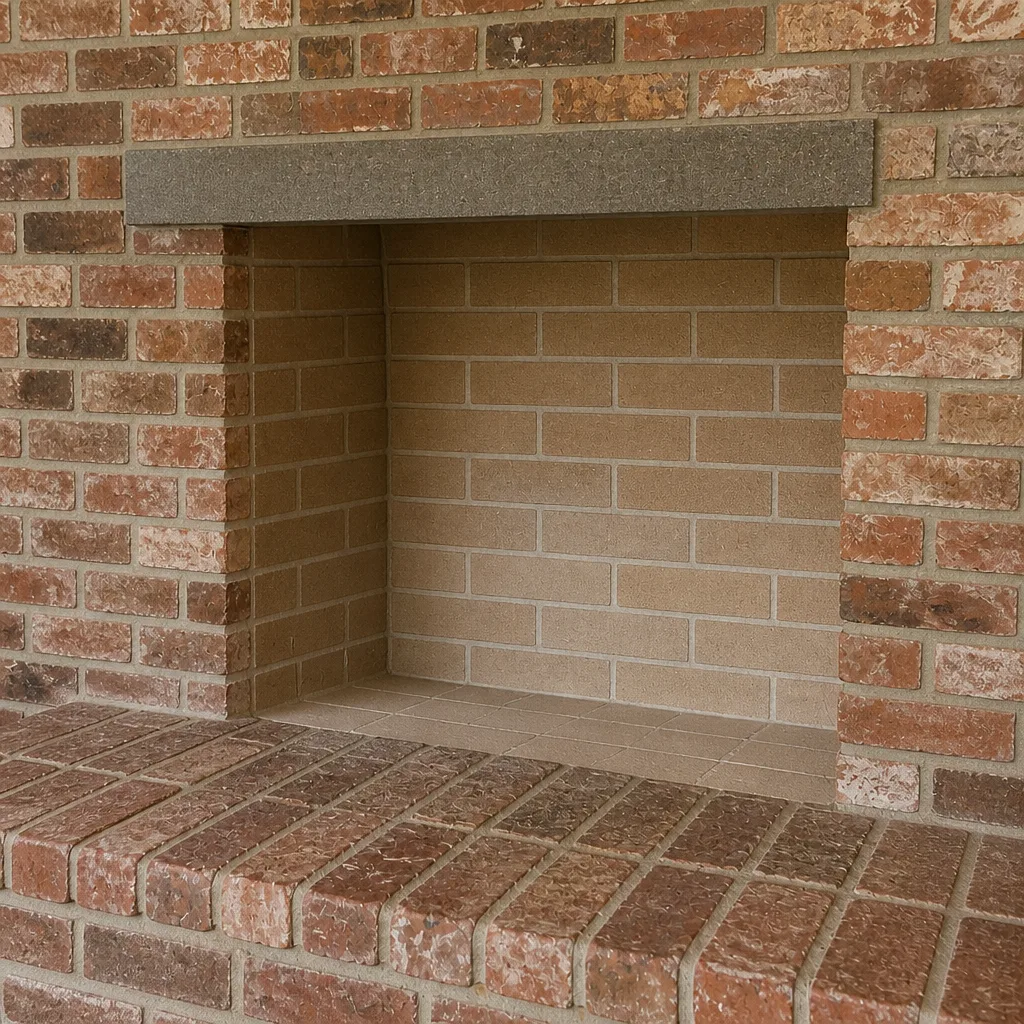
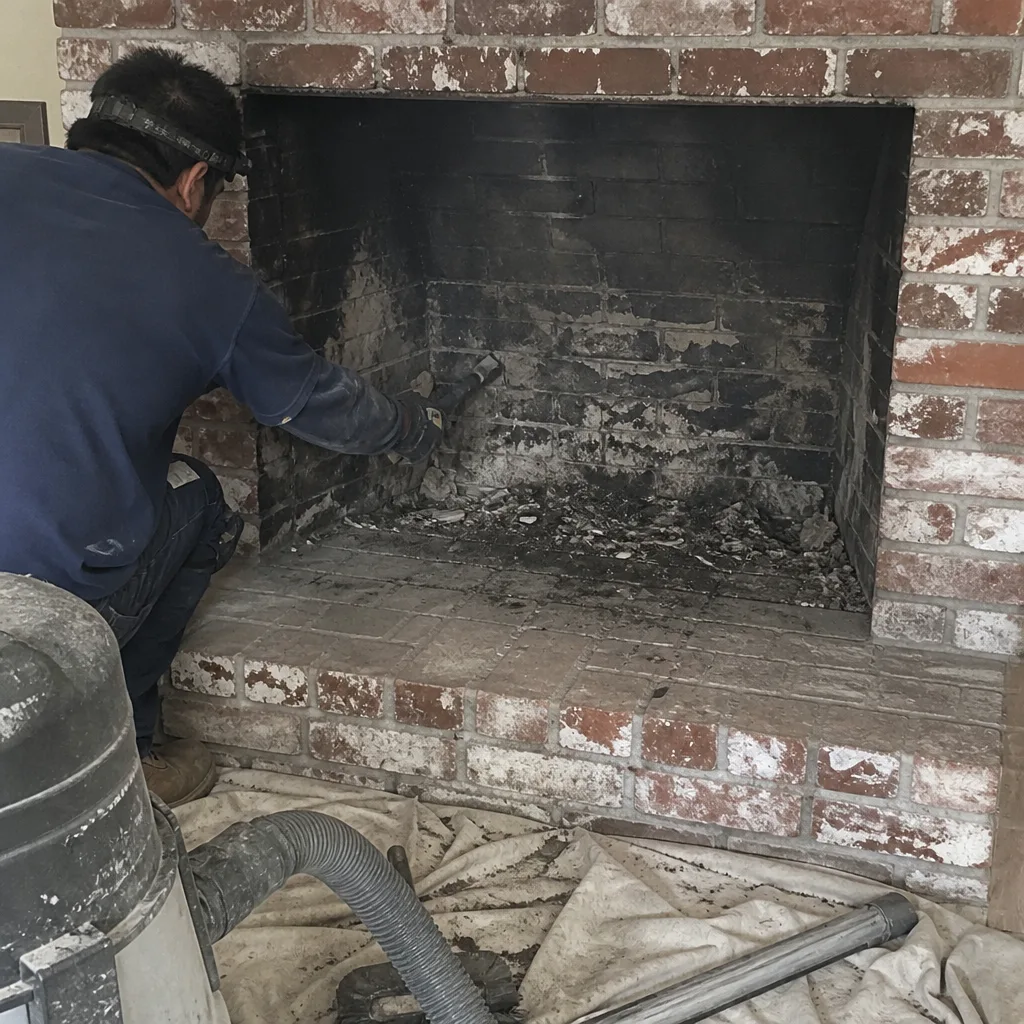
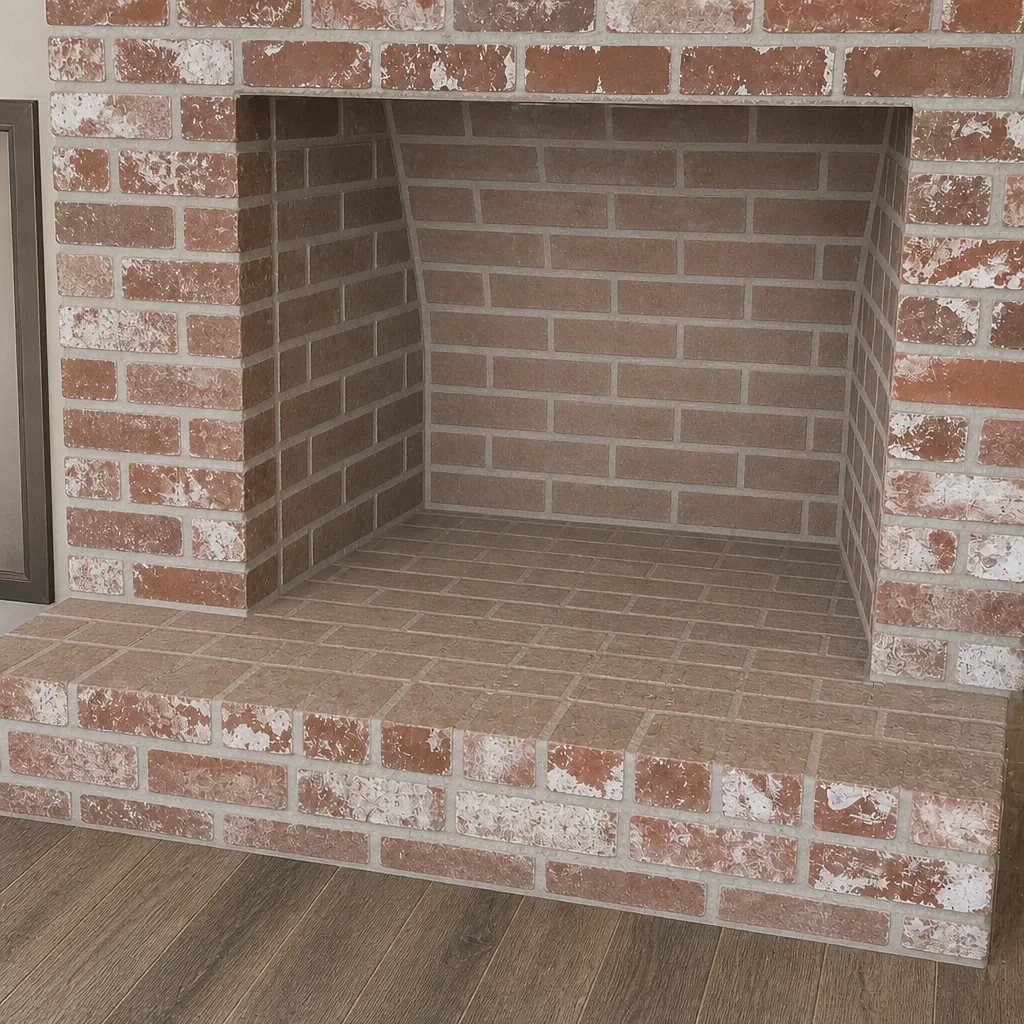
See the difference
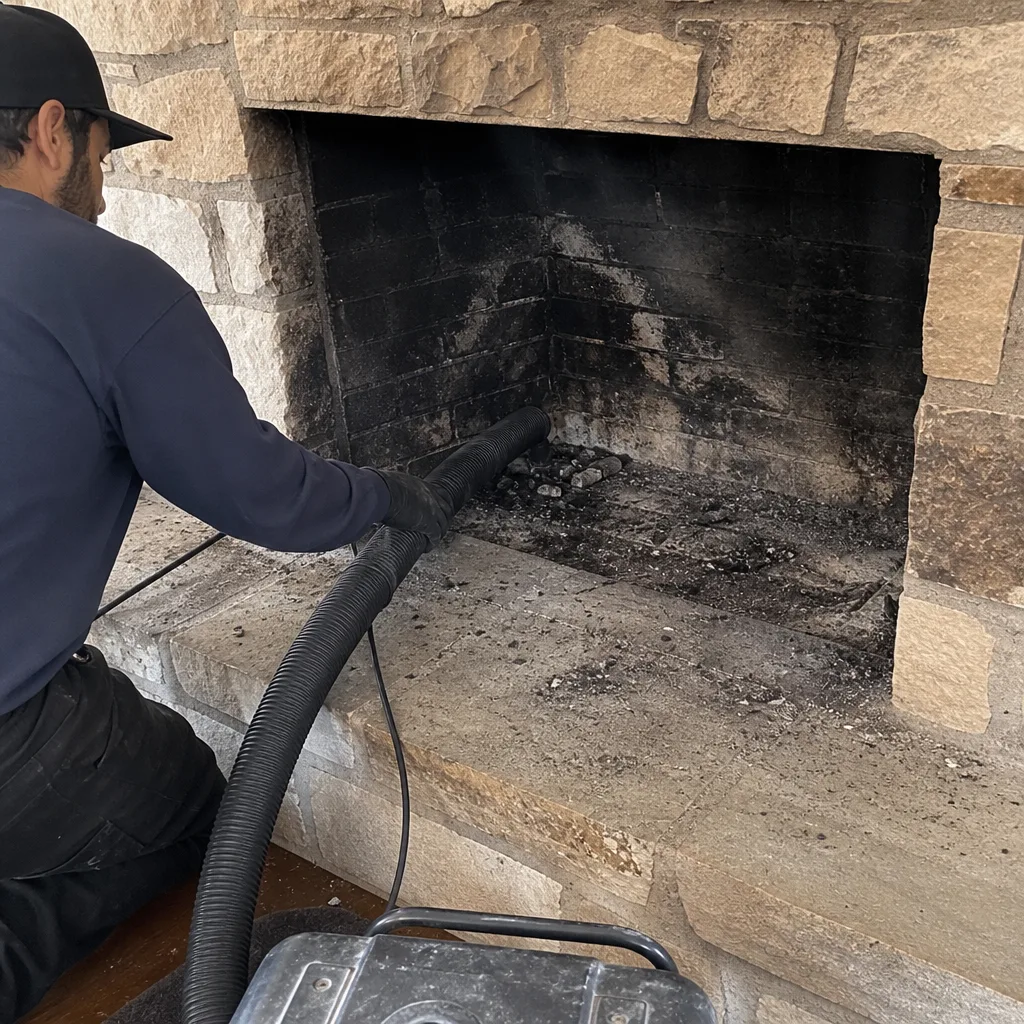 Before
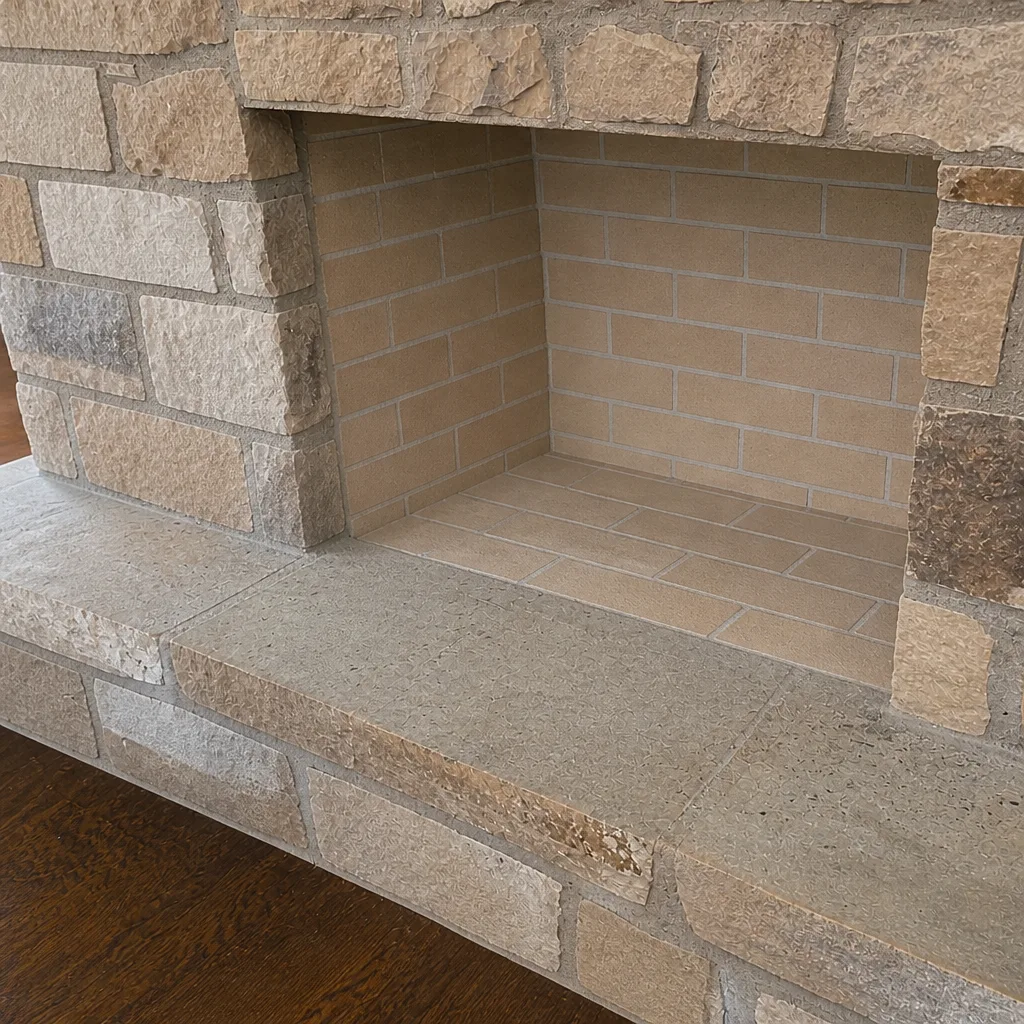 After
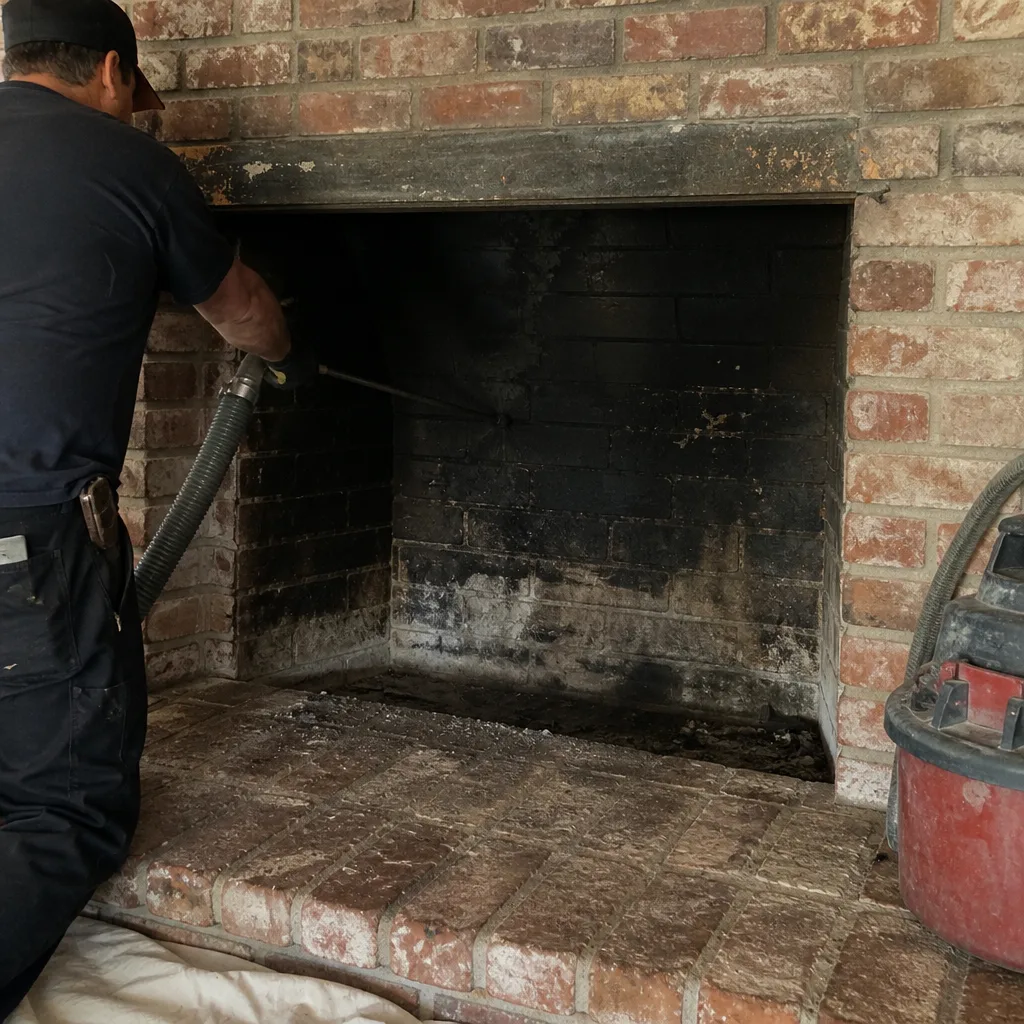 Before
 After
 Before
 After
Frequently Asked Questions
Close the damper and glass doors, get everyone out of the house, and call 911. Do not open the damper, do not spray water into the firebox, and do not wait to see if the fire goes out on its own. A chimney fire can spread into the structure of the house, and the fire department would rather arrive to a flue fire than a roofline fire. Once everyone is safe and 911 is called, watch the chimney top from outside and tell the responding crew what you see.
You often can’t tell without a detector and an inspection. Carbon monoxide is colorless and odorless, and a blocked or cracked flue can release it into the room with no smoke at all. Symptoms are the main warning sign: a headache, dizziness, nausea, or drowsiness that comes on with a fire burning. Working carbon monoxide detectors catch what your eyes and nose can’t. Call (844) 573-0875 to schedule an inspection. Estimates are free.
Sometimes it does, but you should never bet on it. The dangerous part is that a fire can drop back to a smolder inside a chase after the visible flames are gone. A chimney fire can also crack tile liners or warp metal ones, and a cracked liner becomes a path for fire and gas. After any suspected chimney fire, treat the chimney as unusable until it’s been inspected.
If the cap and crown look intact from the ground and the firebox is clear, you can use it with care and schedule an inspection soon. If the cap is torn loose, the crown is cracked, or there’s debris in the firebox, do not use the fireplace until it’s been inspected. A missing cap leaves the flue wide open, and a cracked crown lets water straight into the chase. Call (844) 573-0875 to request an inspection. Estimates are free.
Photograph the chimney top from the ground, the firebox and hearth from a few angles, and any interior damage such as smoke residue or water stains. Write a timeline with dates and times. Then get a written report from a professional inspector with photos from the camera inspection, because that report is what makes an insurance claim straightforward. Save receipts for any temporary repairs.
Once a year is the standard, even if the fireplace doesn’t see regular use. Newport Beach’s mild winters mean the fireplace often runs only a few times a season. Cool, smoldering fires leave behind more creosote per fire than regular hot burns, and a slow, low-use pattern hides a heavy creosote load until it becomes a problem. Call (844) 573-0875 to book an inspection before the first fire of the season. Estimates are free.
The Bottom Line
Chimney emergencies in Newport Beach come in three shapes, and each one has its own first move. A chimney fire gets closed doors, an empty house, and a 911 call. Carbon monoxide gets fresh air, evacuation, and a detector that works. Wind damage gets a check on the cap and crown before the first fire. What ties them together is that all three are caught early by a proper annual inspection, and everything else falls into place from there. Preparedness is the boring part that keeps the freight-train part from happening, and in our experience, the homeowners who plan ahead are the ones who never need the plan.
If it’s been a while since your chimney was looked at, do the annual step now rather than after the season starts. You’ll see the condition of the flue, the firebox, and the crown in a photo report, with a clear answer on what’s urgent and what can wait. The estimate is free, and the inspection gives you a working map of your own chimney. Call (844) 573-0875. We answer 24/7. Fast dispatch from 7am to 7pm, Sunday through Friday.
If you’re planning a broader service visit, see Newport Beach Chimney Sweep Pros for the full list of services and how we work.
Written by the team at Newport Beach Chimney Sweep Pros.