
Last updated November 25, 2026
 Sweep & inspection
 Caps & crowns
 Flue relining
 Masonry repair
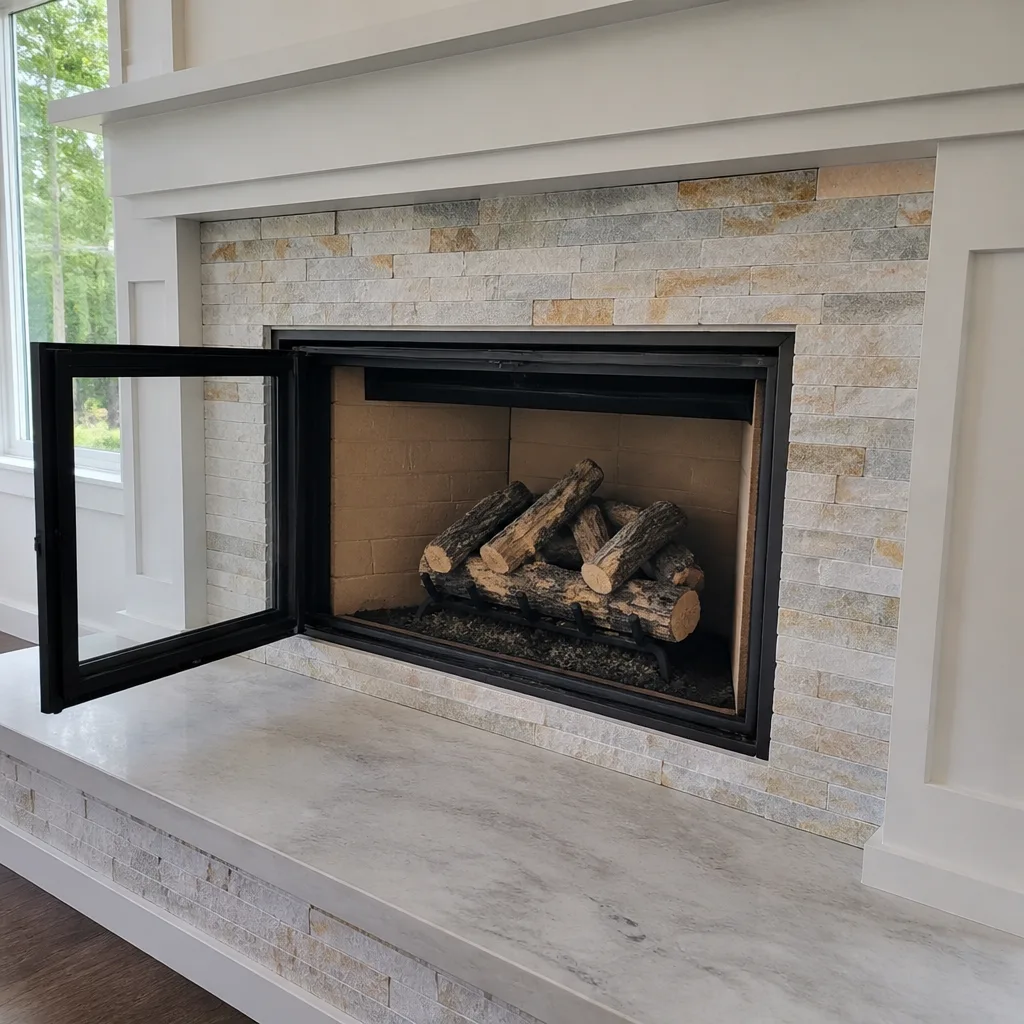 Gas fireplace service
Level 1 sweep and inspection to the NFPA 211 annual standard - flue, crown, cap, and flashing checked and photographed
Chimney sweep logs do not sweep chimneys. They loosen some creosote - which then falls where a brush and vacuum still have to collect it.
Seasonal Chimney Cleaning Care for Newport Beach: Year-Round Homeowner’s Guide
Telling a Newport Beach homeowner to schedule a chimney cleaning before winter is like telling them to winterize their pipes. The advice isn’t wrong everywhere, it’s just not calibrated to here. Chimney care guidance gets written for places with hard freezes and long heating seasons, then repeated word for word on sites serving mild-winter towns where nobody follows it. Newport Beach doesn’t have one fireplace season. It has a marine layer stretch when chimneys sit damp and idle, a wind-driven stretch when debris and caps take a beating, and a short, intense stretch of actual burning that most households squeeze into a handful of cool months. This guide rebuilds the chimney calendar around that real rhythm, so a cleaning buys you the most protection for the money you spend in Newport Beach.
Quick Answer
In Newport Beach, the chimney year turns on three things: a damp, idle flue through the marine layer months, Santa Ana wind season pushing debris and testing caps, and a short but heavy fireplace-use window that produces creosote fast. The highest-value time to book a cleaning is late in the dry season, before the first fires, with a simple visual check mid-year to catch moisture and nesting. Prefabricated fireplaces, common in Newport Beach condos and townhomes, need their own seasonal attention because their vulnerabilities differ from masonry.
Styles & brands we work with
- Sweep & inspection
- Caps & crowns
- Flue relining
- Masonry repair
- Gas fireplace service
Table of Contents
- The Newport Beach Chimney Calendar: What Actually Happens Month by Month
- The Marine Layer Months: What Humidity Does to an Idle Flue
- Santa Ana Wind Season: Cap Displacement, Debris, and First-Fire Risk
- Why Off-Season Is When Moisture and Nesting Do Their Worst Work
- How to Time Your Cleaning to the Real Fireplace Use Window
- Seasonal Care for Prefabricated Fireplaces in Condos and Townhomes
- A Year-Round Checklist You Can Actually Follow
- Common Mistakes to Avoid
The Newport Beach Chimney Calendar: What Actually Happens Month by Month
A chimney’s exposure changes with the weather around it, and Newport Beach weather runs on its own schedule. Rather than one “before winter” deadline, the local year has been sliced into distinct phases, each with a different risk profile for a flue. Knowing the phases is the difference between servicing your chimney when it’s vulnerable and servicing it when it’s already too late to matter.
Broadly, here is how the year breaks down for a chimney in Newport Beach:
- May through September (marine layer months): cool, humid air lingers, the fireplace sits unused, and any moisture that gets inside the flue has nowhere to go. This is when slowly worsening damp and pest activity build up, largely unseen.
- October through January (Santa Ana wind season): dry, gusty winds test caps and crowns, drive debris into flues, and mark the first serious fires of the cool season, often on a dry, windy evening.
- February through April (residual cool evenings): occasional fires continue, creosote keeps accumulating, and the flue dries but is loaded with the season’s deposits.
- Late spring (transition): last fires taper off. Any deposits left sitting through the damp months ahead are exactly what you don’t want.
This is not a calendar built to sell you more cleanings. It’s the opposite. It tells you when a cleaning does the most good, and when a five-minute visual check is enough. The goal is to keep the flue working the way it’s supposed to across the whole Newport Beach year, not to tick a box each fall and forget it until next fall.
What most homeowners miss is that the risk in this town doesn’t build in one burst. It accumulates slowly and unevenly. A flue that looks fine in July may be nursing a nest and a film of moisture-fed rust by August. A flue that’s clean in August may take on a mantle of creosote after a dozen brisk fires in November. Two short service moments spread across the year protect more than one deep cleaning crammed in at the wrong time.
The Marine Layer Months: What Humidity Does to an Idle Flue
During the marine layer months, roughly May through September, the air stays cool and moist and the fireplace mostly sits idle. That combination is harder on a chimney than active burning in colder months, because an idle flue becomes a slow trap for damp. Warm, humid air drifts into cool flue interiors, condenses, and holds against brick, mortar, and metal. The chimney doesn’t dry out between exposures the way it would in a hotter, drier climate.
What does that do over a whole summer?
- Mortar softens. Persistent damp weakens the joints between flue tiles and brick over time. It won’t crumble in one season, but it gives a foothold to deterioration.
- Metal components corrode. Dampers, flue liners, and prefabricated chimney parts are built to resist corrosion, but the warm-moist-idle combination nudges things along faster than dry air would.
- Pest activity moves in. Birds, squirrels, and insects look for warm, dry, quiet cavities. An uncapped flue in Newport Beach during the summer is a prime candidate, and a nesting pile blocks the flue and creates a fire hazard the moment fall fires begin.
- Odors emerge. A damp, idle chimney with old deposits can start to smell faintly smoky or musty. That scent is often the first sign of a problem building quietly in the flue.
This is why a mid-year visual check matters so much here. A proper check during the marine layer months looks at the cap and its mesh for displacement or rust, checks the crown for cracking or crumbling, tests the damper for smooth movement, and looks into the firebox and up the flue for signs of nesting or visible damp. It doesn’t replace a full chimney inspection, but it catches the slow problems early, when fixing them is a small job.
The takeaway is simple. Don’t leave a Newport Beach chimney to fend for itself through the humid months and then hope the first fall sweep catches everything. A little attention in July prevents a lot of repair work in November.
Santa Ana Wind Season: Cap Displacement, Debris, and First-Fire Risk
Santa Ana winds blow dry and strong across Newport Beach roughly from October through January. They’re the highest-risk stretch of the year for a chimney, and they deserve their own seasonal care plan. Three things happen in this window that don’t happen the rest of the year.
First, wind load on a cap. A chimney cap is the lid over the flue, and it earns its keep by keeping rain, animals, and debris out. Strong, sustained winds can shift, loosen, or dislodge a cap that’s past its prime. Once displaced, the flue is exposed, and the damage it was guarding against starts immediately.
Second, debris intrusion. Wind carries leaves, twigs, dust, and grit. Some lands on the cap and mesh, some slips past a damaged cap, and some drops straight into the flue. A flue partly obstructed by wind-blown debris restricts draft and holds heat where it shouldn’t.
Third, and most important, the first fires of the season. After months of idleness, a fire in a damp or debris-laden flue is riskier than at any other time of year. Creosote from the previous season that dried out through spring, mixed with new deposits, is the most vulnerable it will be. Combine that with debris sitting in or near the flue, and you have the setup for an unsafe first burn.
That’s why the cleaning window in Newport Beach, and the reason to prioritize it, lands in late summer to early fall, right before Santa Ana season and first fires, not in the dead of winter. Our technicians have up to 13 years of experience with exactly this pattern. A chimney sweep completed in that window makes sure the flue that takes on Santa Ana wind and first fires is clean and intact.
Why Off-Season Is When Moisture and Nesting Do Their Worst Work
The instinct is to think about chimney care when you’re using the fireplace, and forget it the rest of the year. In Newport Beach the opposite is closer to the truth. The off-season is when the quiet damage accumulates. The burning season is loud and visible; summer is silent.
Here’s a practical mid-year visual check for a Newport Beach homeowner. It’s not a chimney inspection, and it doesn’t replace one. It’s just what to look at between professional visits:
- Look at the cap from the ground. Is it sitting flat and level on the chimney top? Is the mesh intact and free of heavy leaf buildup? A tilted cap is a sign to book a closer look.
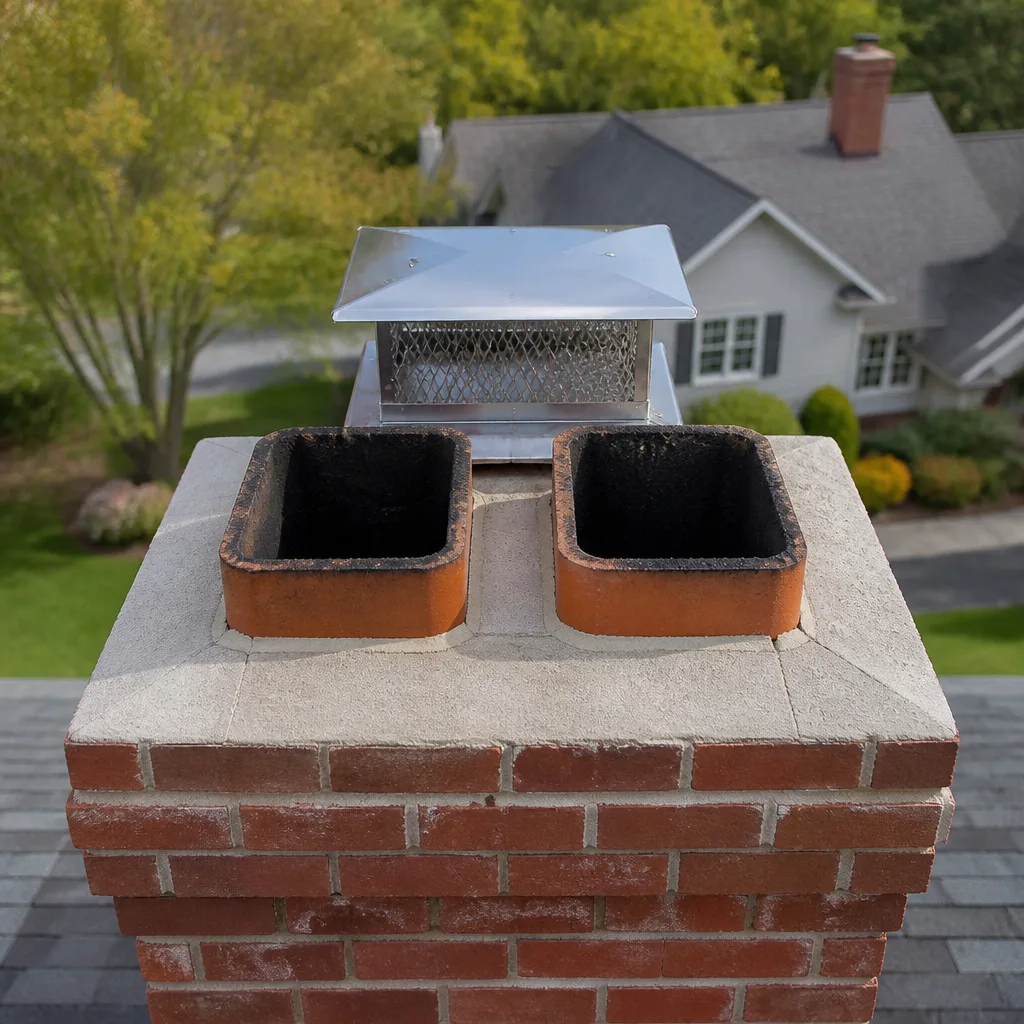
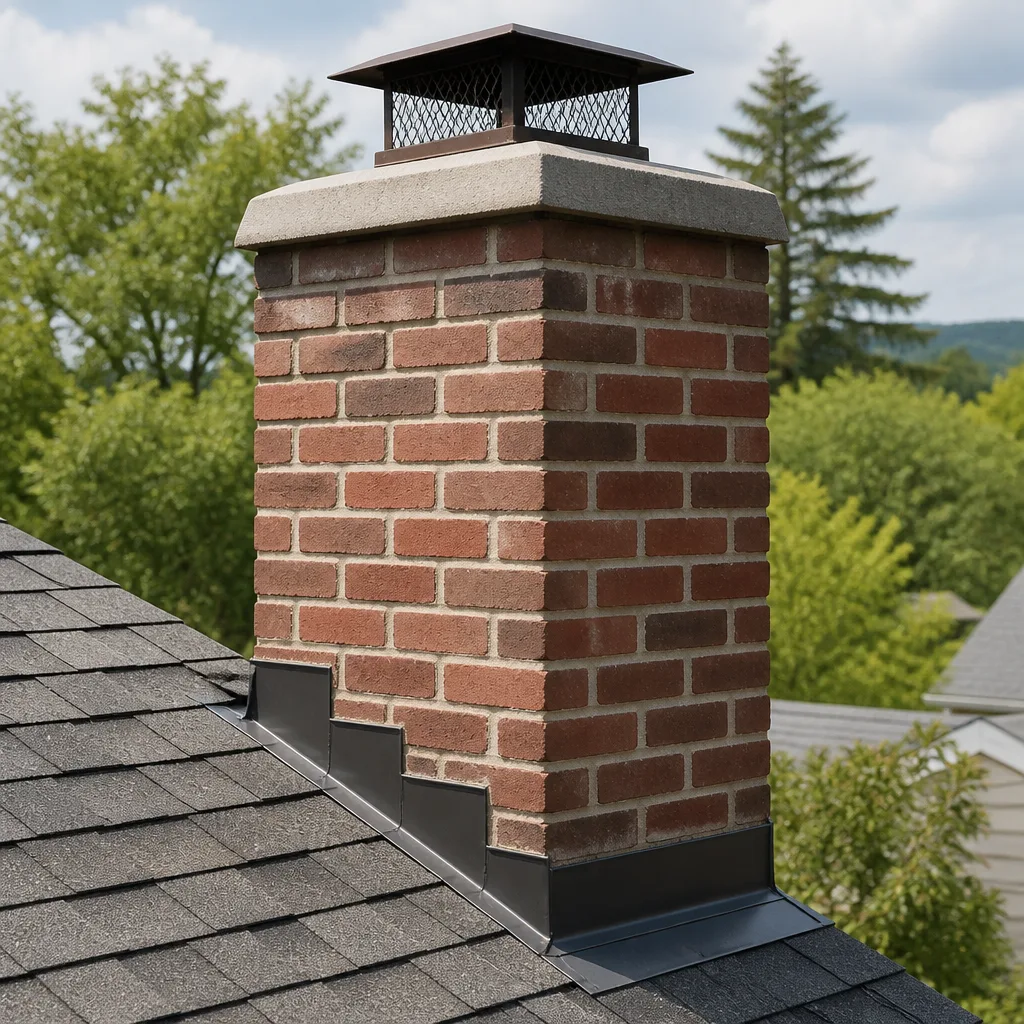
- Look at the crown. The crown is the sloped concrete or masonry top around the flue. Cracks, crumbling edges, or vegetation growing out of it mean water is getting in.
- Open the firebox and look up. With a flashlight, check for debris, twigs, or the dark outline of a nest. Also watch for any glint of daylight straight up the flue, which would mean an open path for rain.
- Operate the damper. Does it move smoothly, and does it close fully? A damper that sticks or won’t seal lets the marine layer air straight into the firebox.
- Smell the firebox. A faint smoky or musty smell in the summer months is a sign that deposits and damp have combined, and a sweep is due before fall.
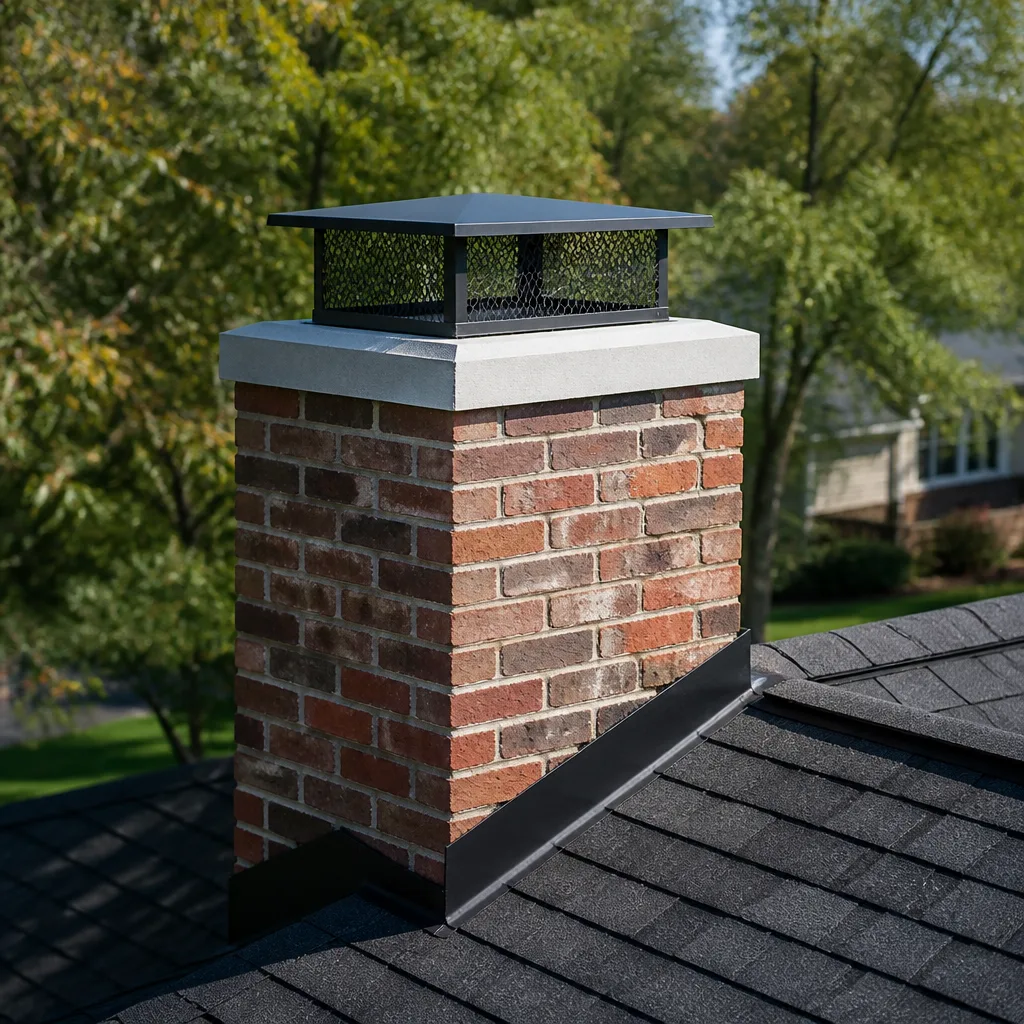
Pest activity is the other piece. Bird nests in a flue are the classic summer problem. In Newport Beach a flue without a proper cap becomes a nesting site, and the nest stays put after the birds leave. It blocks draft and can ignite with the first fall fire. Cap and crown installation is the durable preventive fix, and it’s a job that pays for itself in avoided repairs. When a customer’s flue has a rusted-out cap or a crumbling crown, we can fit Famco components built to hold up across seasons, rather than a quick skim of sealant. If the crown itself needs resurfacing, a HeatShield restoration lets us repair it without tearing out more than necessary.
How to Time Your Cleaning to the Real Fireplace Use Window
The best time to book a chimney cleaning in Newport Beach is late summer to early fall, roughly late August into October, so the flue is clean before Santa Ana winds and the first fires arrive. That single cleaning moment protects the flue through its riskiest window. Getting the timing right matters more than getting it often.
Here’s how to think about the schedule:
- Book before first fires, not after. A cleaning done once the season is underway is cleanup. A cleaning done before is prevention. In Newport Beach that means before the Santa Ana wind season really starts to build in October.
- Match frequency to use, not the calendar. A household that lights a dozen fires a season needs less frequent cleaning than one that burns a fire most cool evenings. A pro assesses the deposits, not the calendar, and tells you what your own pattern of use actually calls for.
- Do the mid-year check in July or August. That catches moisture and nesting before they compound. If it turns up a problem, there’s time to fix it calmly, before the season.
- Assess after the last fires. Once fires taper off in spring, a look at the flue tells you what the season left behind. That’s the moment to decide whether a fall cleaning or a repair will be needed.
The market reality is that everyone in Newport Beach calls when the first cold evening hits, and that’s the busiest, most scattered stretch of the year for any chimney specialist. Booking in the calm late-summer window means the work gets done without the hurry. That’s a scheduling convenience, but more than that, it means the flue you’re counting on is ready exactly when it needs to be.
A free estimate makes the timing decision easy. A technician looks at the flue, assesses what the season left behind, and gives you a flat price for the sweep before anything gets booked. The measured schedule above is also the answer to whether you need a sweeping this year at all. Sometimes the honest answer is not yet.
Seasonal Care for Prefabricated Fireplaces in Condos and Townhomes
Prefabricated, factory-built fireplaces are common in Newport Beach condos and townhomes because they fit cleanly into lighter structural footprints and tighter construction. They work differently from masonry chimneys, and they have their own seasonal vulnerabilities in this climate. A masonry chimney is brick, mortar, and tile. A prefabricated system is a metal firebox and a factory chimney with a specific flue configuration, built to a particular manufacturer’s specs.
What that means for seasonal care:
- Metal doesn’t love marine layer damp. The warm, moist idle months put more stress on a factory metal flue than on traditional masonry. Condensation, corrosion, and seal deterioration move faster.
- Cap integrity matters more. Factory chimneys often have a built-in termination and cap specific to the system. A displaced or corroded cap lets moisture into the metal flue, and there’s little margin for error.
- Components are specific. Prefabricated systems need parts matched to their make and design. Generic substitutions can compromise performance and safety. We carry and install parts from recognized brands, including Olympia Chimney and Copperfield, rather than making a system work around whatever’s on the shelf.
- Inspection finds failures earlier. A factory chimney can look perfectly fine from the firebox while a joint or seal higher up has failed. Seasonal checks catch those before a larger repair is needed.
If your Newport Beach condo or townhome has a prefab fireplace and the surrounding system has a metal flue, it deserves at least one structured look a year, and ideally a mid-year visual check alongside it. A failing prefab system doesn’t fail obviously. It fails quietly, which is the strongest argument for keeping it on a schedule. If you need a closer look at the whole system, a full chimney repair assessment can map what’s at risk and what can wait.
A Year-Round Checklist You Can Actually Follow
Few homeowners want a dense calendar. What works better is a short checklist, tucked into the seasonal rhythm you already keep. Here’s one calibrated for Newport Beach.
Summer (marine layer months):
- Visual check of cap and crown from the ground
- Firebox and flue check with a flashlight for damp, nesting, or visible daylight
- Damper operation check
- Watch for lingering smoky or musty odors from the firebox
Late summer to early fall (before Santa Ana wind season):
- Book the pre-season cleaning
- Professional inspection of cap, crown, damper, and flue lining
- Repair or replace any damaged cap or crown before the winds arrive
- Clear any debris from the cap and flue
Fireplace use window (cool season):
- Burn dry, seasoned wood
- Avoid overloading the firebox
- Watch for smoke rolling into the room, which means a draft problem is developing
After the season (spring):
- Assess what the season left behind in the flue
- Decide whether a fall cleaning or a repair will be needed
- Note any cracks or changes in the firebox or firebrick for the next visit
The point of a checklist is not to make a chimney a bigger project than it is. It’s to keep it from quietly becoming one. Everything on that list is either a five-minute look or one booked visit.
Common Mistakes to Avoid
- Copying a cold-climate schedule. “Clean before winter” advice is written for places with a hard freeze and a long heating season. In Newport Beach the risk builds in different months, so a schedule borrowed from a colder town ignores the damp, windy phases that actually stress a local flue.
- Skipping the mid-year check. Waiting until fall to look at a chimney is how nesting and moisture problems get a whole summer to develop. In our experience the flue problems found in October had already been building since June.
- Judging the chimney on a full fireplace. A visually “clean” firebox says nothing about the flue above it. The deposits, corrosion, and cap failures that matter live higher up, where a quick glance doesn’t reach.
- Running a fireplace on a damaged cap or crown. A cracked crown or a missing cap lets water and debris into the flue. The damage is slow, but it’s the kind that turns a small repair into a larger one, and a Newport Beach winter with moisture present is exactly when it gains ground.
- Treating a prefab fireplace like a masonry one. Factory-built systems in Newport Beach condos and townhomes need parts matched to their design and inspection that understands metal flues. A generic substitute can compromise the whole system.
- Delaying the pre-season booking out of the belief that it’s not urgent. October and November are when every Newport Beach fireplace owner calls at once. Booking in late summer means the work is done calmly and the flue is ready at the front of the windy season, not after the first close call.
- Burning unseasoned wood through the whole season. Green or poorly seasoned wood lays down more creosote per fire, and a heavy season of it can undo the benefit of the cleaning you scheduled. Dry, well-seasoned wood keeps the flue cleaner between visits.
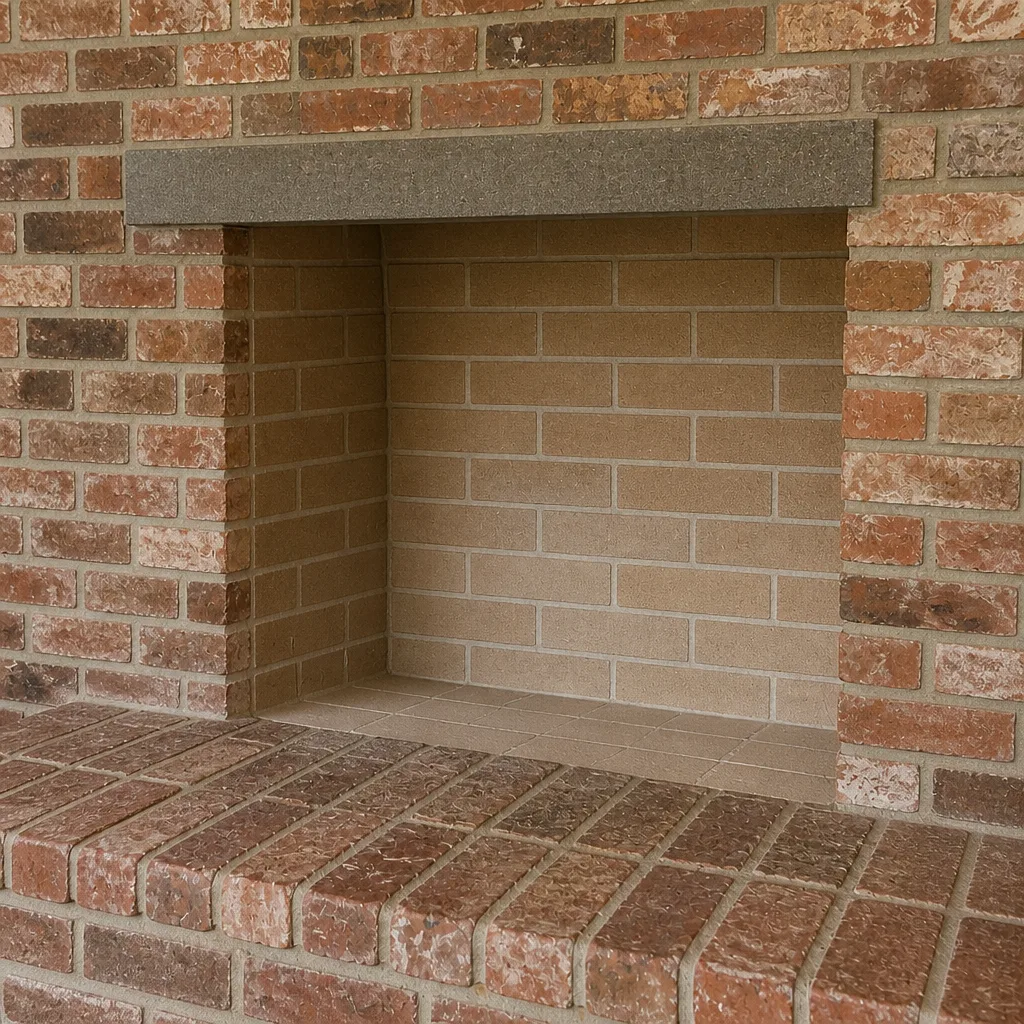
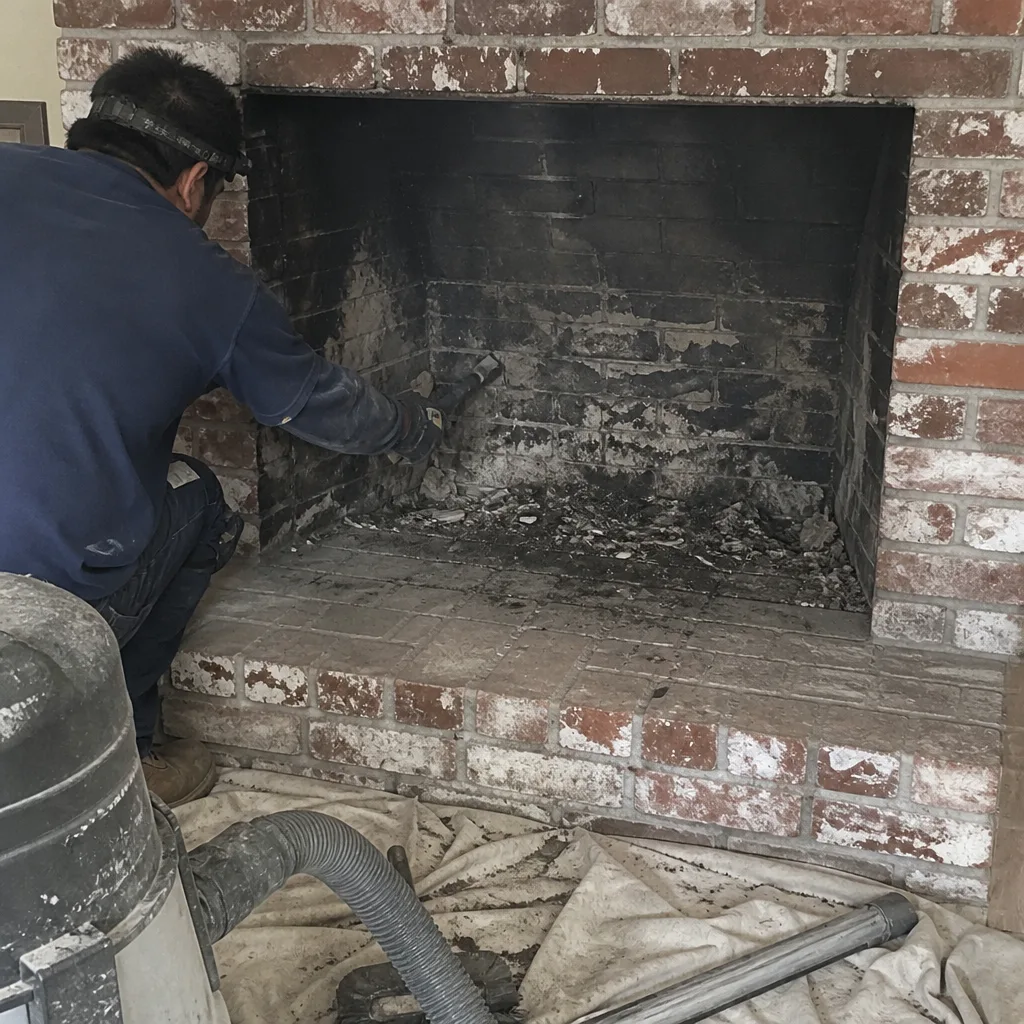
See the difference
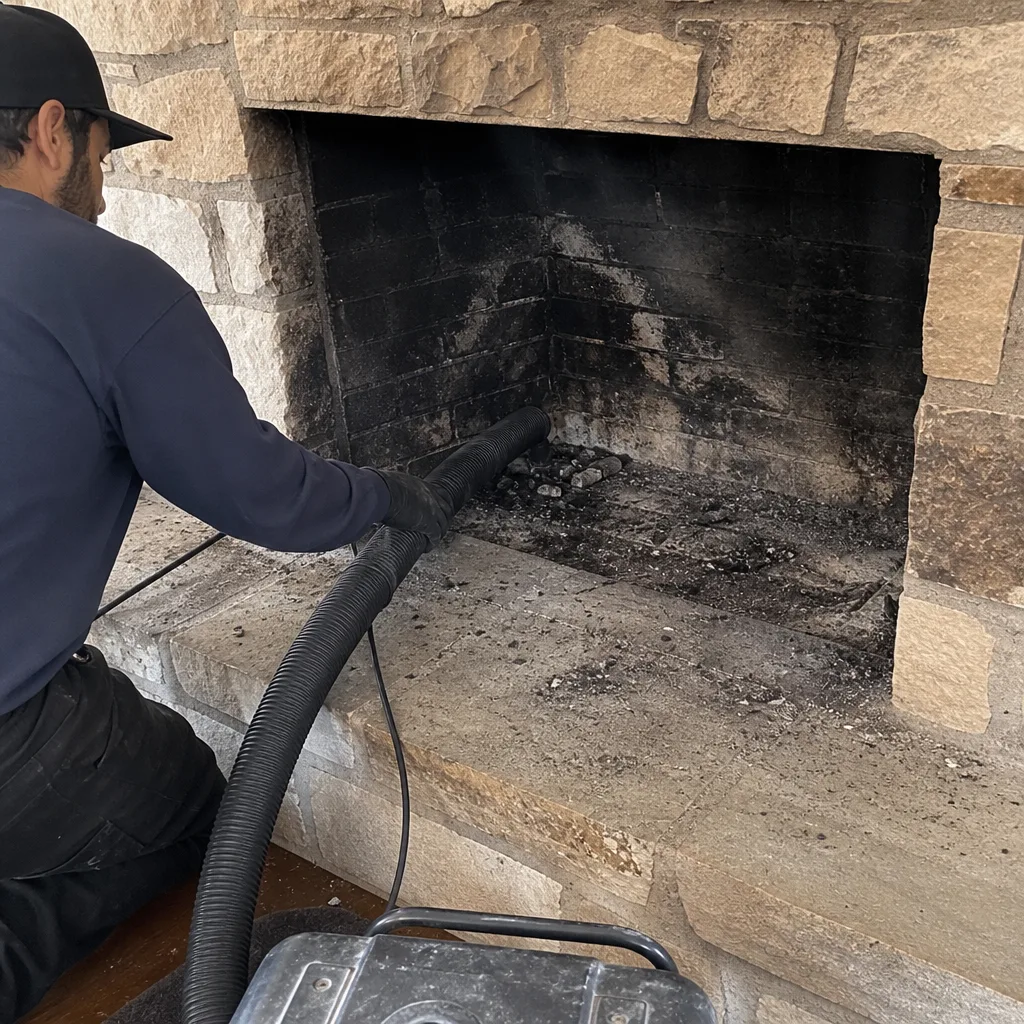 Before
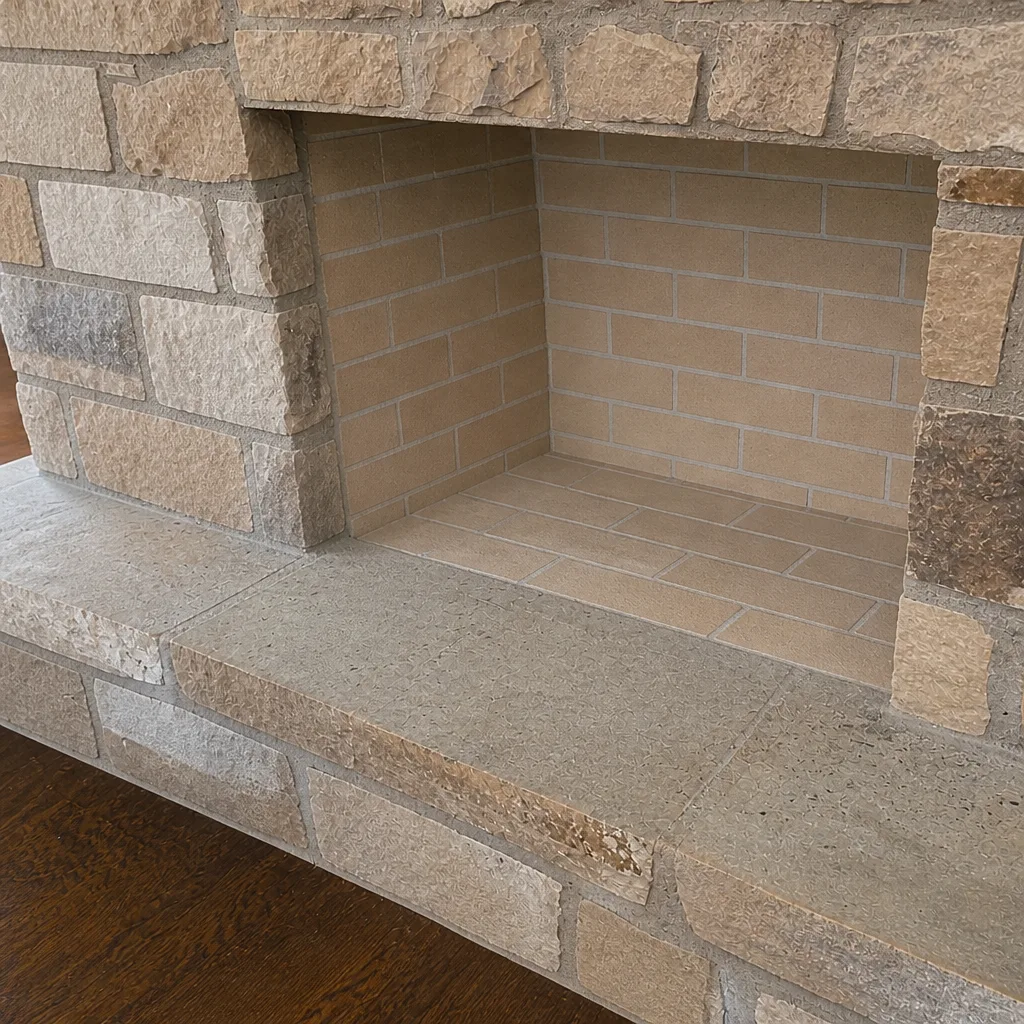 After
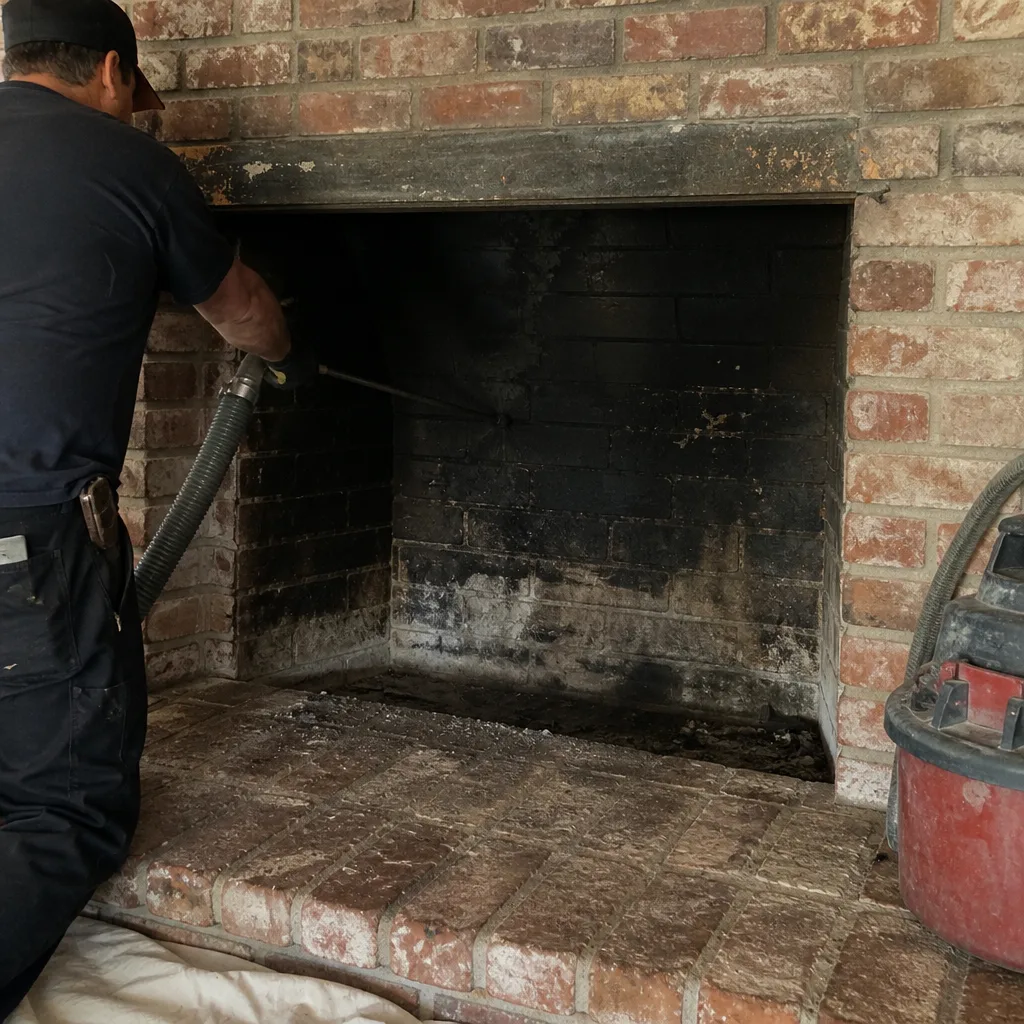 Before
 After
 Before
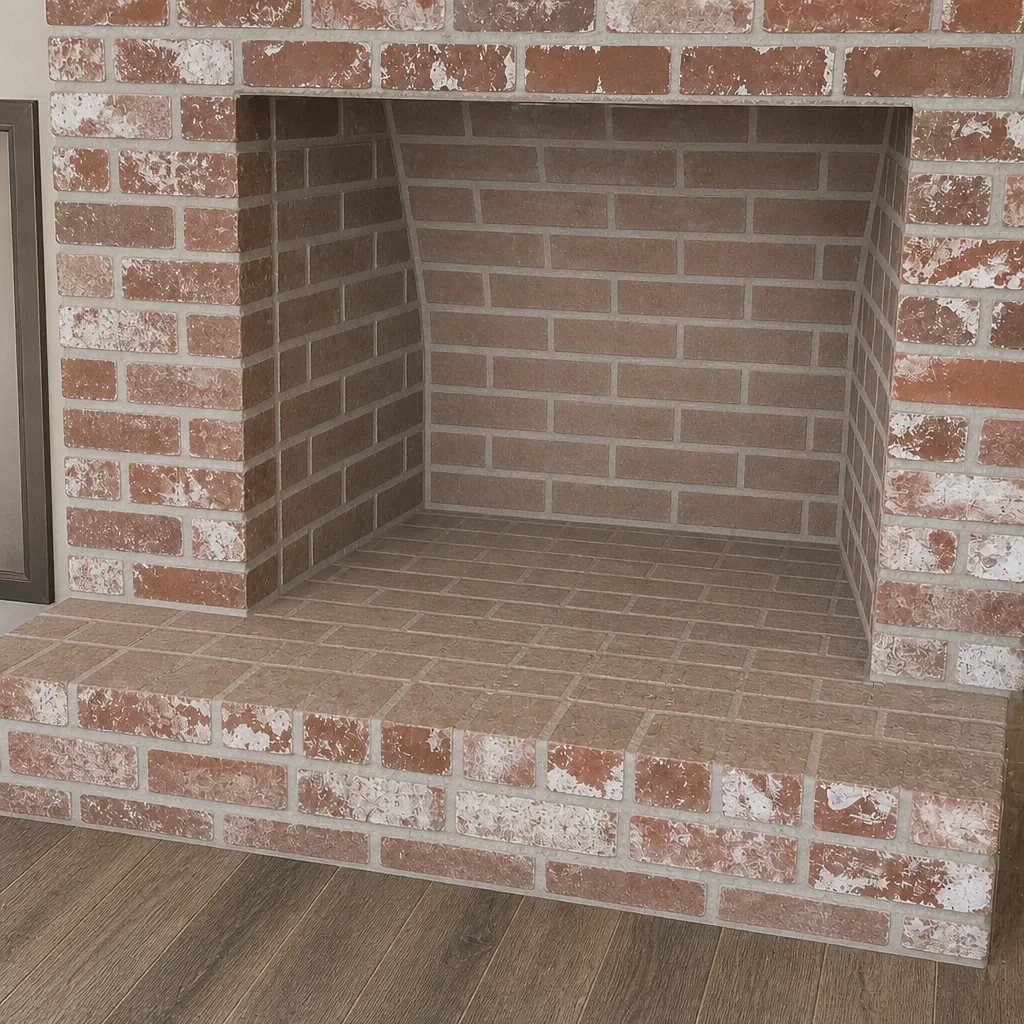 After
When to Call a Professional
Some situations shouldn’t wait for the calendar. Call a professional if you’ve had a chimney fire, even a small one you think extinguished itself, since the flue lining may be damaged in ways you can’t see. Call if smoke rolls back into the room, if the cap is visibly loose or missing, if the crown is cracked enough to be growing things, or if you’ve never had the chimney inspected and don’t know its history. Call if you’re buying or selling a Newport Beach home and need a documented inspection, or if your insurer asks for one. Call if you smell gas from a fireplace connection or notice soot falling into the firebox, which points to a flue problem above. And call if you’re simply not sure. That’s usually the right call. The local professional we connect you with is licensed and insured as their state requires, and the estimate is free.
Newport Beach Chimney Sweep Pros offers free estimates in Newport Beach. Call (844) 573-0875. We answer 24/7. Fast dispatch from 7am to 7pm, Sunday through Friday.
Frequently Asked Questions
Most Newport Beach households do best with one pre-season cleaning a year, backed by a mid-year visual check, though the right frequency depends on how much you burn and what the inspection finds. A household that lights fires most cool evenings produces creosote faster than one that burns a dozen times a season. A technician assesses the actual deposits rather than a fixed calendar. Call (844) 573-0875 for an exact quote. Estimates are free.
Late summer into early fall, roughly late August into October, is the highest-value window because it puts a clean flue in place just before Santa Ana winds and the first fires of the season. Getting the cleaning done after the whole season is really just cleanup. Before the season, it’s prevention. Call (844) 573-0875 and we’ll find the opening that fits your schedule.
Skipping for a few years lets three problems compound: creosote builds up in the flue, moisture from the idle months weakens mortar and metal, and a missing or damaged cap lets birds and debris move in. Any one of those can turn a routine sweep into a repair. The flue doesn’t fail loudly; it fails slowly, until it fails suddenly. Call (844) 573-0875 to have it looked at before that happens.
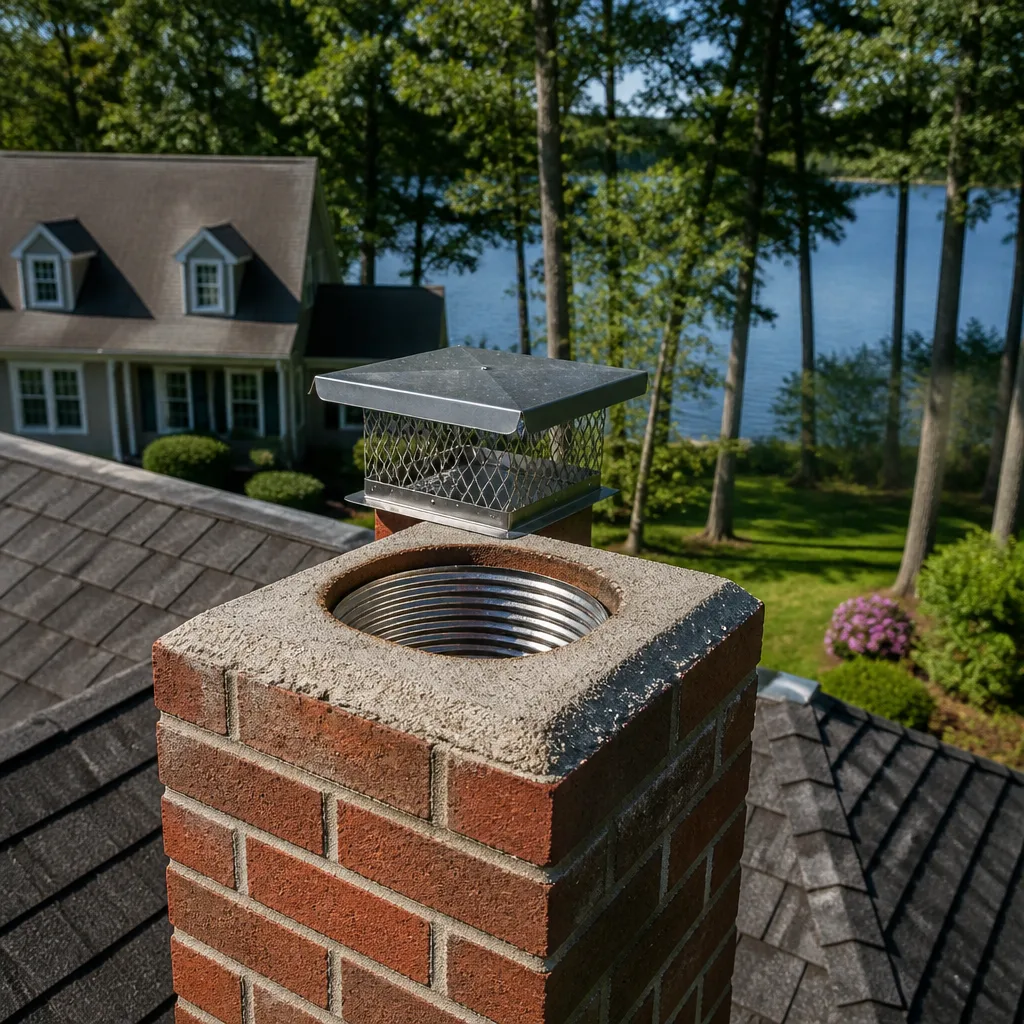
A liner is only recommended when there’s actual evidence it needs replacing, and that evidence comes from an inspection with camera views you can see. If the liner is cracked, deteriorated, or the wrong size for the appliance, a new one is a real safety fix. If it’s sound, we say so. We use DuraFlex liner systems when relining is genuinely needed, and HeatShield resurfacing when restoring the existing liner will do the job at less cost. Call (844) 573-0875 for an inspection you can judge for yourself.
Yes. Prefabricated fireplaces common in Newport Beach condos and townhomes use metal flue systems that need parts matched to their make and design and an inspection that understands factory-built chimneys. They’re more vulnerable to moisture in the marine layer months and depend heavily on a sound cap. We inspect and service these systems with recognized brands like Olympia Chimney and Copperfield, not generic substitutes. Call (844) 573-0875 to book a visit.
If a recent inspection showed a sound flue, an intact cap and crown, and modest deposits, and you burned lightly last season, a sweep can reasonably wait until the next pre-season window. What shouldn’t wait is anything the mid-year check turns up: a displaced cap, nesting, a cracked crown, or smoke rolling into the room. When we find one of those, we’ll tell you plainly what needs attention now and what can wait. Call (844) 573-0875 for an honest assessment.
The Bottom Line
Newport Beach chimney care works better on a local calendar than on a cold-climate one. The marine layer months are when moisture and nesting quietly build; Santa Ana wind season is when caps and crowns are tested and first fires carry the most risk; the cool-season window is when creosote accumulates fastest. A mid-year visual check plus a pre-season cleaning, timed right, gives the most protection for the money. Prefabricated fireplaces in condos and townhomes need their own attention. Our technicians have up to 13 years of experience reading exactly this pattern. If anything turns up that a professional should see, one visit answers it.
For a sweep, an inspection, a repair, a cap or crown, or a full fireplace repair, call (844) 573-0875 for a free estimate. We answer 24/7. Fast dispatch from 7am to 7pm, Sunday through Friday. You can also start at Newport Beach Chimney Sweep Pros and we’ll take it from there, one company handling the sweep, the inspection, and any repair, start to finish.
Written by the team at Newport Beach Chimney Sweep Pros.