
Last updated November 25, 2026
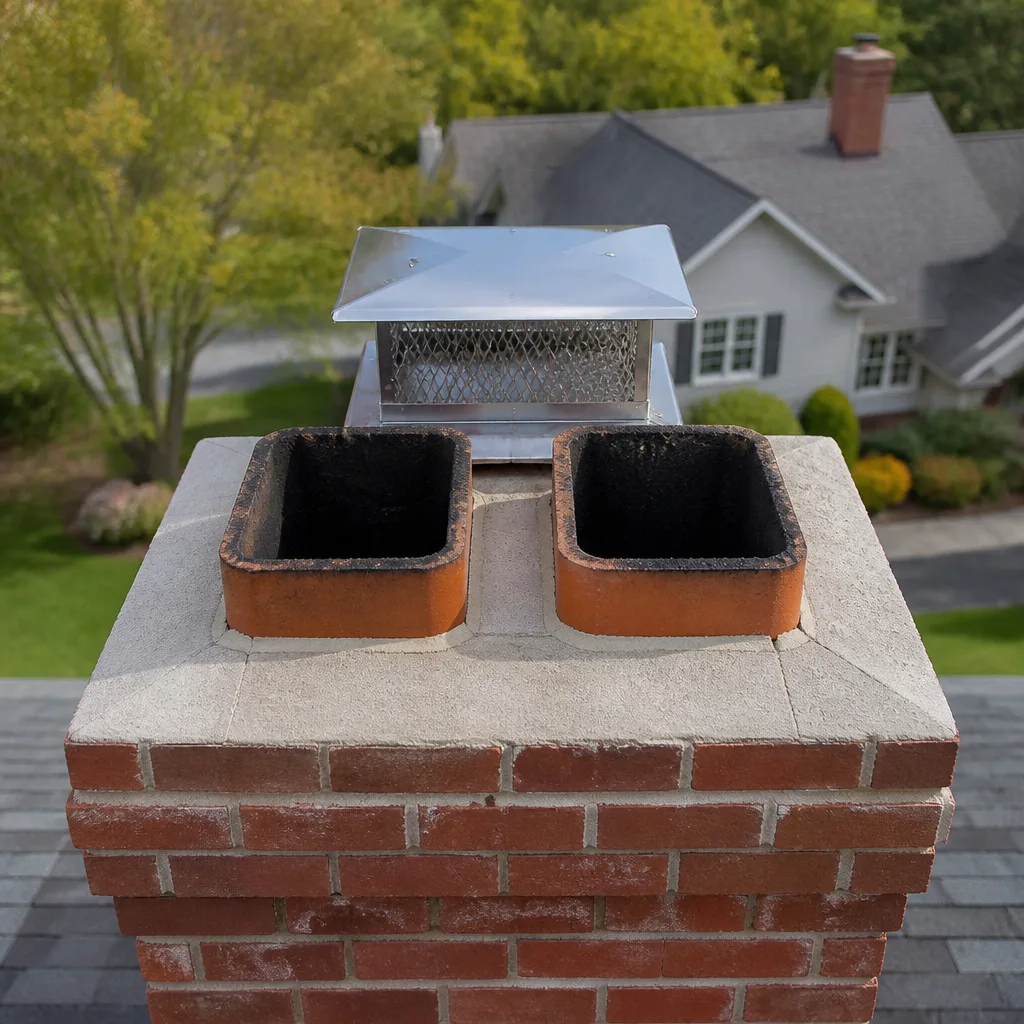 Sweep & inspection
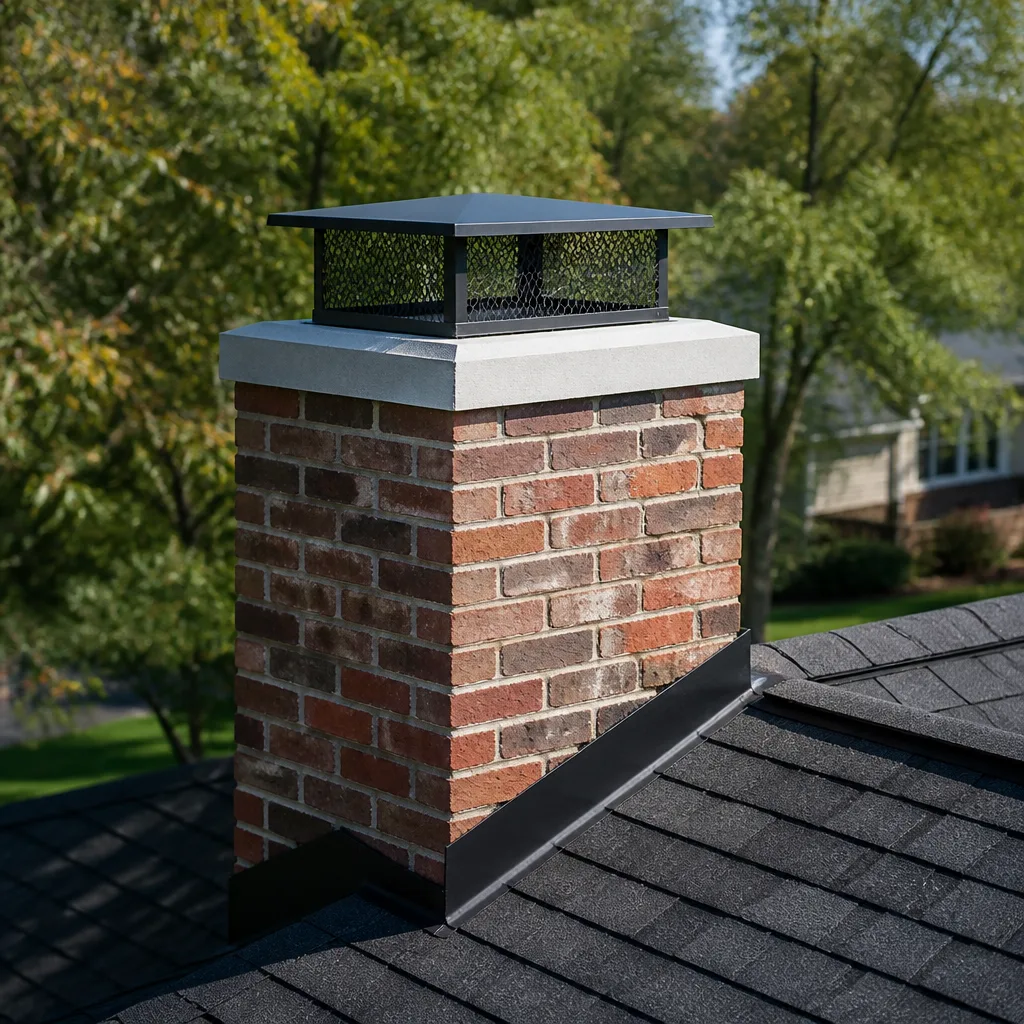 Caps & crowns
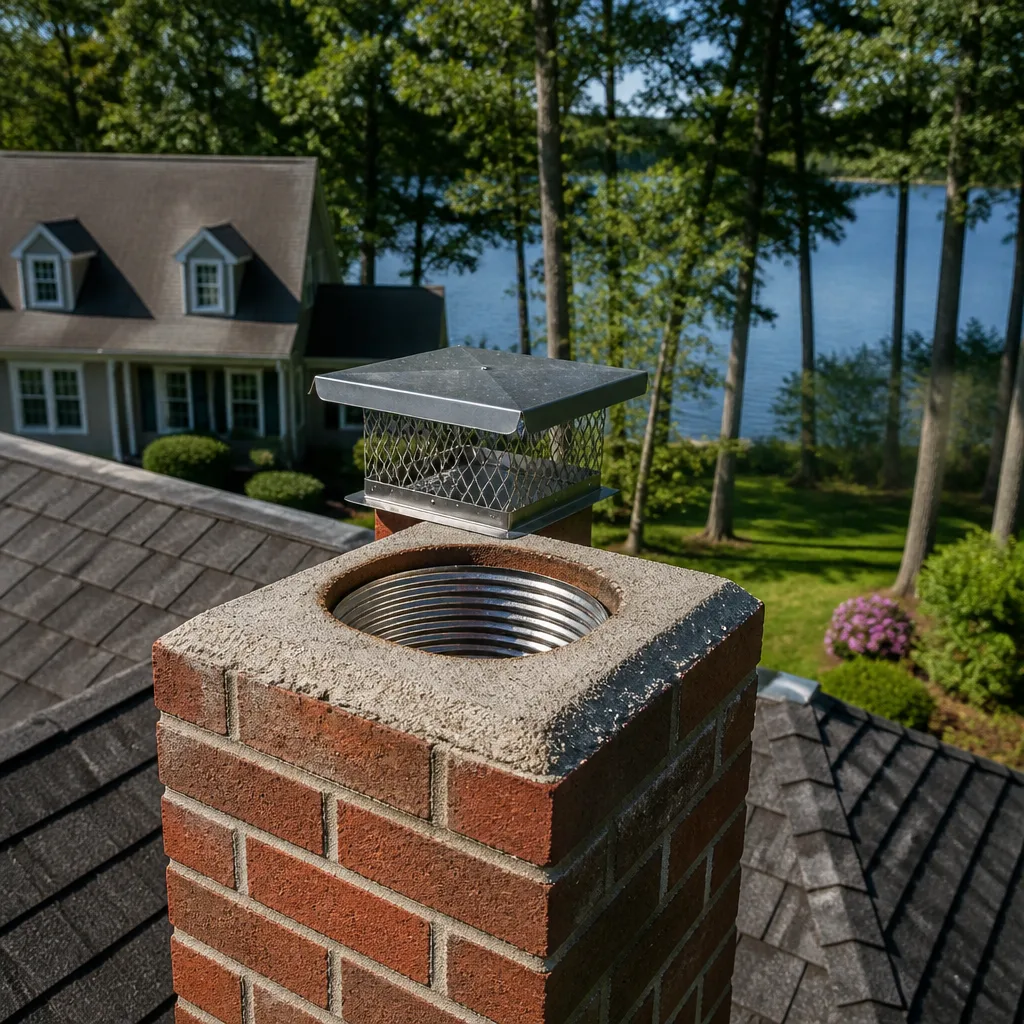 Flue relining
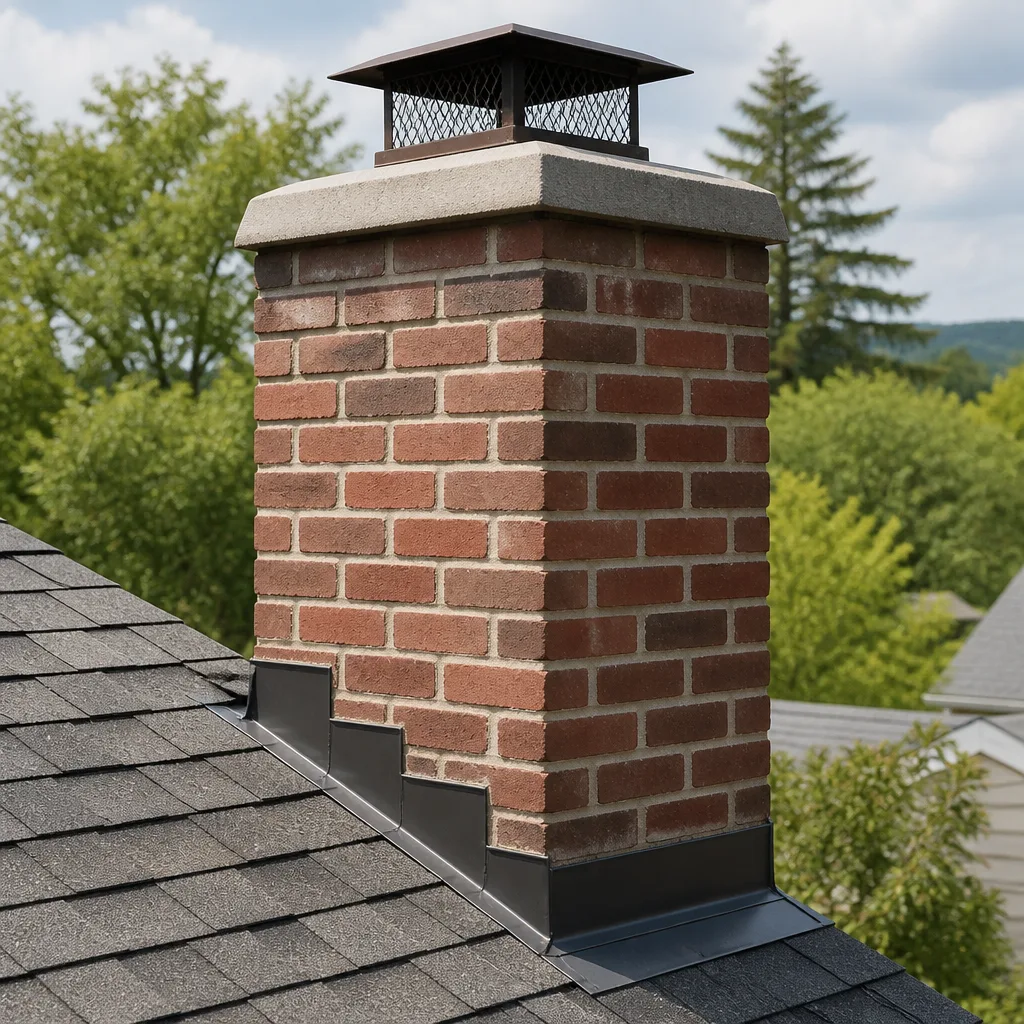 Masonry repair
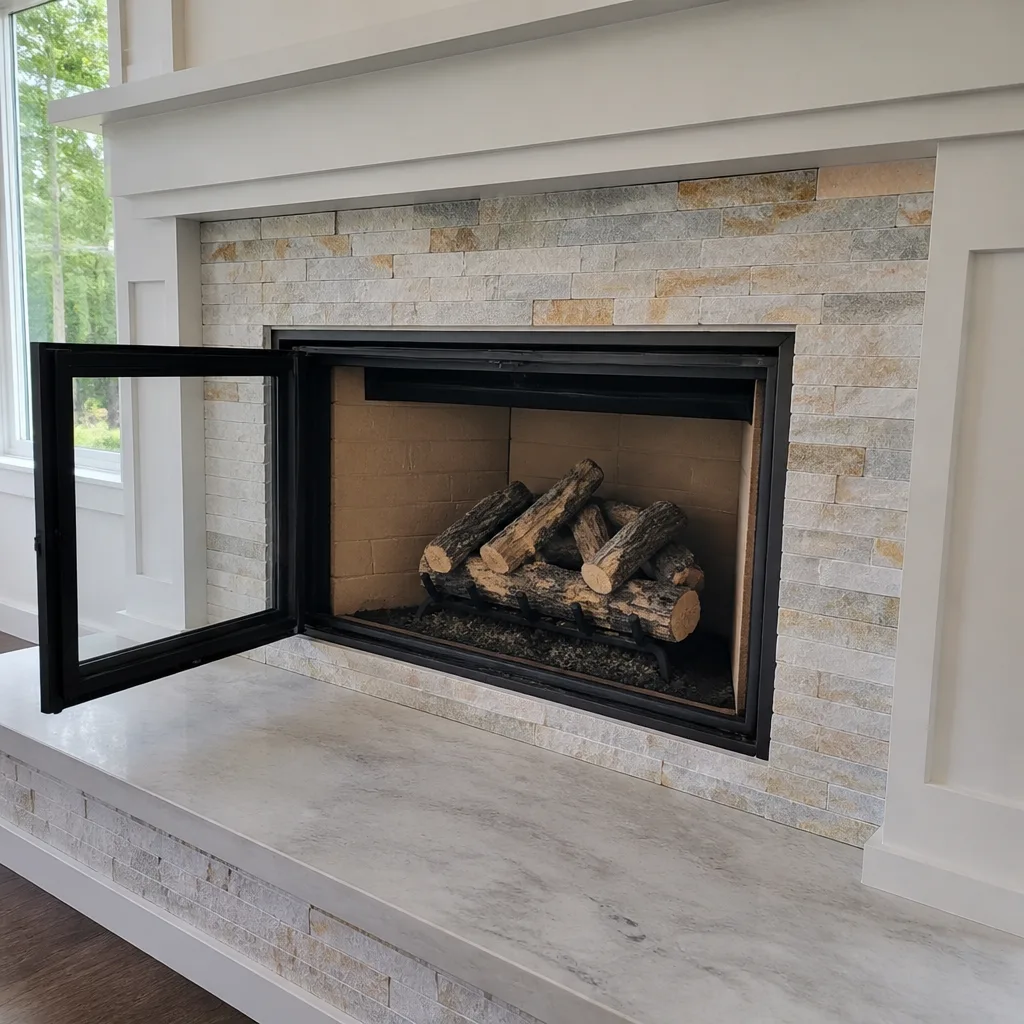 Gas fireplace service
Level 1 sweep and inspection to the NFPA 211 annual standard - flue, crown, cap, and flashing checked and photographed
Chimney sweep logs do not sweep chimneys. They loosen some creosote - which then falls where a brush and vacuum still have to collect it.
DIY vs Professional Chimney Cleaning: The Newport Beach Homeowner’s Decision Guide
A chimney brush kit costs about $80 and it removes soot. That part is true. What the kit doesn’t do is tell you whether the flue tile behind that soot has a hairline crack, whether the crown is quietly letting water into the masonry, or whether your cap is one season away from letting birds and rain straight down the flue. That’s the real tradeoff in the DIY question, and it isn’t about safety theater. It’s about scope. This guide is an honest accounting of what a capable Newport Beach homeowner can handle alone, what genuinely requires a trained technician, and where the hybrid line falls. You’ll learn the creosote stages, the inspection levels, and how the local real estate market changes the math.
Quick Answer
DIY chimney cleaning works for the basic soot-and-Stage-1-creosote brush pass, a visual look up the flue from below, and a ground-level check of the cap on a single-story exterior chimney. Everything past that – diagnosing a cracked flue tile, evaluating the crown, documenting a Level II inspection for a sale or insurer, and clearing Stage 2 or Stage 3 creosote – requires a trained technician with proper equipment. For most Newport Beach homes, the professional sweep plus documented inspection is the safer default, and a simple between-sweep routine keeps your intervals longer.
Styles & brands we work with
- Sweep & inspection
- Caps & crowns
- Flue relining
- Masonry repair
- Gas fireplace service
Table of Contents
- What DIY Chimney Cleaning Actually Covers
- What Requires a Trained Technician
- The Creosote Stage Problem
- Why Newport Beach’s Real Estate Market Changes the Math
- Prefab Fireplaces, Warranties, and the DIY Trap
- A Practical Hybrid Model
- The Cost Comparison, Plainly
- How a Professional Sweep Actually Works
What DIY Chimney Cleaning Actually Covers
A conscientious homeowner with the right tools can do more than most people assume. You don’t need to be a specialist to notice soot buildup, a loose damper, or a cap that’s twisted sideways. Here is a fair account of what’s realistically within reach for a single-story home with an exterior chimney, which is a common configuration in Newport Beach neighborhoods like Dover Shores and the older tracts around Balboa.
What you can safely do yourself:
- Visual inspection from below. Open the damper and look up with a strong flashlight. You can see obvious soot glazing, the first few feet of flue tile, and whether the damper opens and closes cleanly.
- Ground-level cap check. From the yard, you can see if the cap is intact, sitting flat, and free of nests. You don’t need to climb anything.
- Basic brush cleaning on an accessible, straight flue. If your flue is short, straight, and reachable from a safe ladder position, brushing soot and light creosote is mechanically simple.
- Firebox and hearth cleanup. Ash removal, grate cleaning, and glass-door wiping are household tasks that keep a fireplace working well.
The honest limit is this: every one of those tasks confirms what you can see. None of them diagnoses what you can’t. And on a mild-climate home, what you can’t see is often the expensive part. Our technicians have up to 13 years of experience, and the most common thing we find on a first visit isn’t heavy creosote – it’s a small, undetected defect that’s been quietly worsening for several seasons.
What Requires a Trained Technician
Some jobs are genuinely technician-only, not because of gatekeeping but because the equipment and the trained eye are what make the answer correct. Here’s where the DIY line falls.
- Level I and Level II inspection documentation. A Level I inspection is a visual check of accessible components. A Level II goes further – it’s required for a real estate transaction, after a chimney fire, or when a change in appliance is planned, and it’s documented. The documentation is the product as much as the inspection is.
- Liner condition assessment. Flue tiles crack in ways a flashlight from the firebox floor can’t reveal. A trained technician uses professional-grade cameras to see the full run of the liner, including the upper sections that stay invisible from below.
- Crown and cap evaluation. The crown is the concrete or masonry slant at the very top that sheds water. A hairline crack there doesn’t look serious from the ground, but it’s the entry point for water damage that compounds year over year. We carry and install components from Gelco and Famco for exactly this work – not generic substitutes.
- Stage 2 and Stage 3 creosote removal. A standard brush is ineffective against glazed creosote. This requires rotary systems or chemical treatment, and it’s the part where DIY becomes not just inadequate but risky.
- Chimney liner restoration. When the liner has deteriorated but hasn’t failed completely, we use HeatShield – an industry-standard resurfacing system – to restore it without a full relining cost. That’s a technician-only call either way.
If you take one thing from this section, take this: the sweep is the visible task, and the inspection is the invisible one. The invisible one is why we inspect before we sweep, so you know exactly what you’re working with. If a chimney sweep is all your home needs this year, that’s what we’ll tell you. But we can only truthfully tell you that after we’ve looked.
The Creosote Stage Problem
Creosote is the residue of incomplete combustion, and it doesn’t arrive all at once. It builds in stages, and the stage matters more than the depth. Here’s the simple breakdown that drives every cleaning decision.
- Stage 1 – soot and light flaky creosote. This is the everyday residue from normal burning. A standard chimney brush removes it effectively. DIY brushing handles Stage 1 reasonably well on an accessible flue.
- Stage 2 – glazed, hardened creosote. This is where brushing stops working. Stage 2 creosote adheres to the flue walls in a hard, shiny layer that a brush skates over. Removing it requires rotary systems or chemical treatment that softens it first.
- Stage 3 – glazed and layered. The most severe stage, built up over many seasons of burning without cleaning. Stage 3 creosote is highly combustible and requires professional removal. Attempting to burn it off or chip it loose from a ladder isn’t a safety shortcut – it’s the opposite.
We don’t say this as scare-selling. We say it because the fix is different at each stage, and the wrong fix at Stage 2 or 3 doesn’t just fail to work – it can push a loosened chunk into a spot you can’t reach. If your last cleaning was several seasons ago, or you’re not sure it ever happened, that’s your signal to have it looked at properly rather than brushed by hand.
Newport Beach winters are mild, which is why many homeowners here burn more than their neighbors in colder climates might expect. A fireplace gets used from October into March without a real cold-season break. That consistent use is exactly what builds creosote over time.
Why Newport Beach’s Real Estate Market Changes the Math
This is where the DIY calculus changes in a way that matters more in Newport Beach than in most markets. The local property market is active, and homes move relatively often. When a house with a fireplace changes hands, the chimney becomes part of the disclosure picture.
A documented inspection from a trained technician is evidence. It tells a buyer what was checked, what was found, and what was addressed – and it protects a seller who did the right thing. A DIY-only maintenance history is not that. It’s a homeowner’s best recollection, which isn’t the same as a record.
What the documented record gives you:
- For a seller: a clear, defensible account of chimney condition at the time of sale, which is exactly what disclosure conversations need.
- For a buyer: a real starting point – you know what you inherited, and you’re not discovering a deferred defect months later.
- For an insurer: a dated inspection record when a policy question comes up.
An inspection is a standalone, structured service here, not a cursory glance before the sweep. It exists so you have something to point to. In a market where transactions move and paperwork matters, that’s a real asset, not a formality. If you’re on either side of a sale, this is the single best argument for professional documentation over a brush and a good flashlight.
Prefab Fireplaces, Warranties, and the DIY Trap
A lot of Newport Beach homes – especially the newer developments and the townhomes sprinkled around the coast – have factory-built, prefabricated fireplaces rather than traditional masonry. These units carry manufacturer warranties, and those warranties come with conditions. One of them is usually annual professional inspection and cleaning.
Here’s the trap. A homeowner who cleans their own prefab fireplace and later has a warranty claim may find the claim complicated by the absence of a service record. Prefab units also have specific clearances and components that a generic brush-up doesn’t address. The flue liner on a prefab is a different animal from masonry tile, and the tolerances are tighter.
When we evaluate a prefab unit, we use professional-grade parts matched to the make and clearances, sourced from recognized brands – Olympia Chimney components are a common fit for the liner and cap work on these units. That’s not about mark-up. It’s about using the parts the manufacturer’s specifications assume, so the unit performs the way it was designed to.
DIY cleaning on a prefab unit doesn’t automatically void anything, but it does mean you have no record. And no record is a poor place to be when a warranty question comes up.
A Practical Hybrid Model
Here’s the approach we actually recommend for most homeowners, and it’s built around the idea that the right frequency beats the perfect method. You do the light work between visits; the professional does the diagnostic work at the right intervals. Nobody has to choose a side.
- Clean the firebox and hearth yourself as needed. Ash removal and glass cleaning keep the fireplace pleasant to use and don’t require anyone’s help.
- Do a ground-level cap glance each season. Before the first fire of the year, look up from the yard. Cap intact? Not tilted? No nests? That ten-second check catches the obvious problems.
- Do a visual look from below before you burn. Open the damper and shine a light up. You’re not diagnosing anything – you’re just confirming the flue is clear and the damper works.
- Book a professional sweep and inspection at the right interval. For consistent use, that’s annual. For occasional use, ask and we’ll give you an honest interval based on what we find.
- Address every flagged item on a documented inspection promptly. A small crown crack that gets sealed early never becomes a masonry rebuild.
- Keep the documents. Every inspection report is worth keeping for your own records and for a future sale.
This hybrid model is what extends your intervals without compromising safety, and it keeps your prefab manufacturer warranties intact. You’re not paying us for what you can do yourself. You’re paying for what you genuinely can’t. That’s the whole point of a specialist.
The Cost Comparison, Plainly
DIY vs professional costs are best understood as two different scopes rather than two prices for the same job. Here’s the honest picture of what you’re paying for in each case.
- DIY brush kit: roughly $80-$150 for brushes, rods, a drop cloth, and a shop vacuum. That buys you the equipment for a basic Stage 1 cleaning on an accessible flue.
- Professional sweep: a standard sweep and Level I inspection is typically priced per job and set by the written estimate before we book. You get the sweep, the inspection, a camera look at the liner, and a report.
- What DIY doesn’t include: the diagnostic inspection, the camera assessment, the crown evaluation, the documentation, and the ability to remove Stage 2 or Stage 3 creosote safely.
The honest framing: the DIY kit is cheap and correct for what it does. The professional appointment costs more because it does more – and because the finding it turns up often saves the homeowner a larger repair later. A small crown crack sealed early costs far less than the masonry rebuild it becomes when water gets in season after season. We don’t price the estimate as a fee – it’s free, and the written estimate sets the final price. If all you need is a sweep, that’s what the estimate will reflect.
If you’ve got a repair flagged, the cost of a chimney repair is always lower during the early stage of a problem. That’s the single most reliable cost fact in this trade.
How a Professional Sweep Actually Works
If you’ve never hired a sweep, knowing the sequence makes the appointment feel less like a black box and more like a scheduled, predictable service. Here’s how a proper visit runs, step by step.
- Protect the room. Drop cloths and a containment setup go down before any tool is unpacked.
- Inspect before sweeping. This is the step that separates a specialist from a quick brush pass. We look at the firebox, damper, flue, crown, and cap before cleaning anything.
- Camera the liner. A professional-grade camera runs the flue so we can see what the eye can’t – cracks, gaps, separation, and the condition of the tile or prefab liner.
- Sweep the flue. Standard brushes for Stage 1, rotary systems for anything beyond that. The method follows the finding.
- Photograph the findings. Every issue we flag gets a photo. Nothing is recommended without camera evidence you can see for yourself.
- Walk you through it. We tell you what’s fine, what needs attention now, and what can safely wait. If it can wait, we say so.
- Leave the report. A documented record you keep for your own files, for a sale, or for an insurer.
That’s the full cycle – and it’s why we handle the Newport Beach Chimney Sweep Pros service range as one company. Sweep, inspection, fireplace repair, chimney repair, and cap and crown work all fall under the same visit, from the firebox to the crown. No handoffs, no second contractor, no gaps in accountability.
If a repair does come up, say a fireplace damper or firebox component, fireplace repair is a natural next step from the same company that did the inspection. And if the flue needs more than a sweep, DuraFlex flexible liner systems and HeatShield resurfacing let us fix the problem rather than patch the symptom.
Common Mistakes to Avoid
- Cleaning only when the fireplace stops drawing well. By then the creosote may be Stage 2 or worse. A cleaning schedule should follow use, not symptoms.
- Assuming a brush pass is a full service. The brush removes residue; it doesn’t assess the liner, crown, or cap. Those are the parts that fail quietly.
- Skipping the crown check because the chimney “looks fine” from the street. The crown is the topmost piece and the first thing water reaches. It deserves a proper look.
- Burning unseasoned wood. Wet wood produces more creosote, which shortens every cleaning interval. Seasoned wood is the cheapest maintenance you can do.
- Believing the cap is optional. A chimney cap isn’t optional maintenance – it’s the difference between a dry flue and a crumbling one. A missing or damaged cap lets in rain, debris, and animals.
- Going without documentation in a transaction. In an active market like Newport Beach, the inspection record is the piece a buyer and an insurer actually want to see.
- Chasing the cheapest brush and rod set on the shelf. A flimsy rod set can scratch the flue tile, leaving a rough surface that catches creosote faster next time.
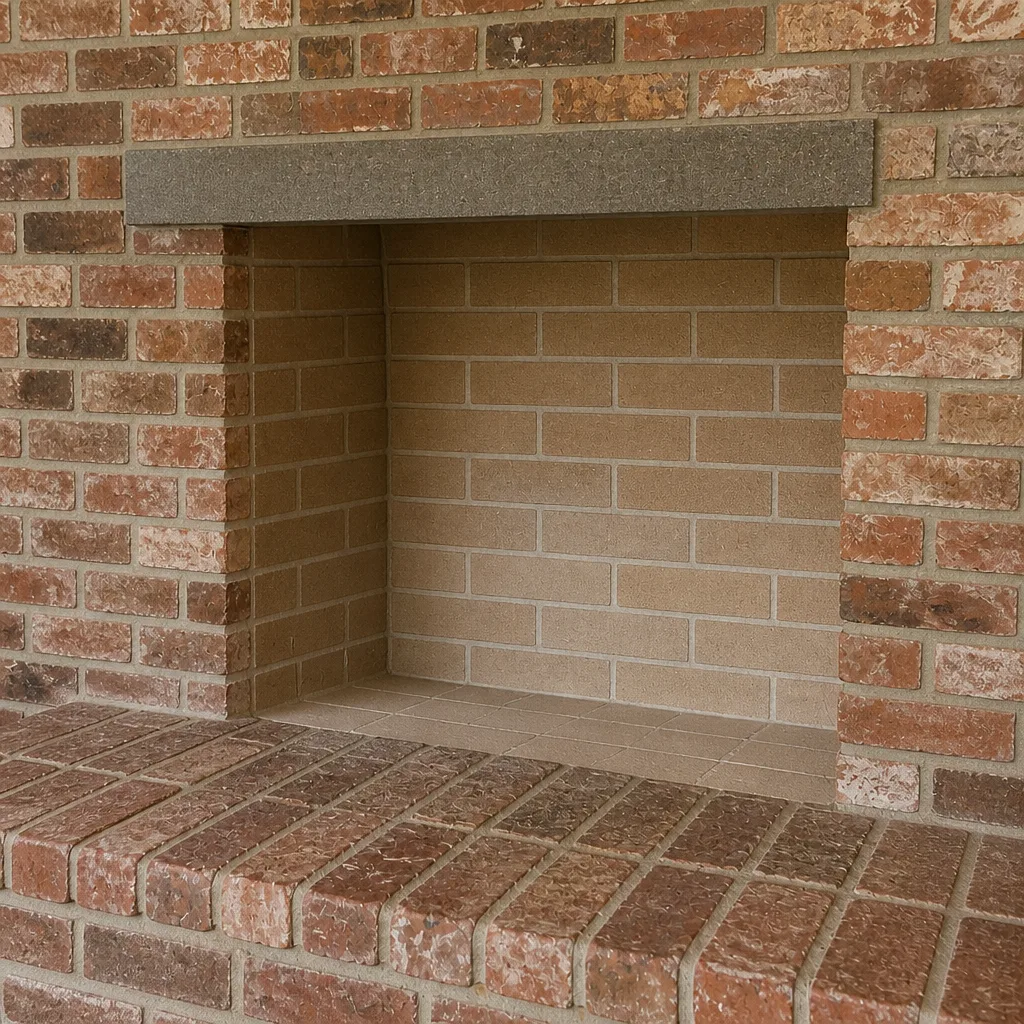
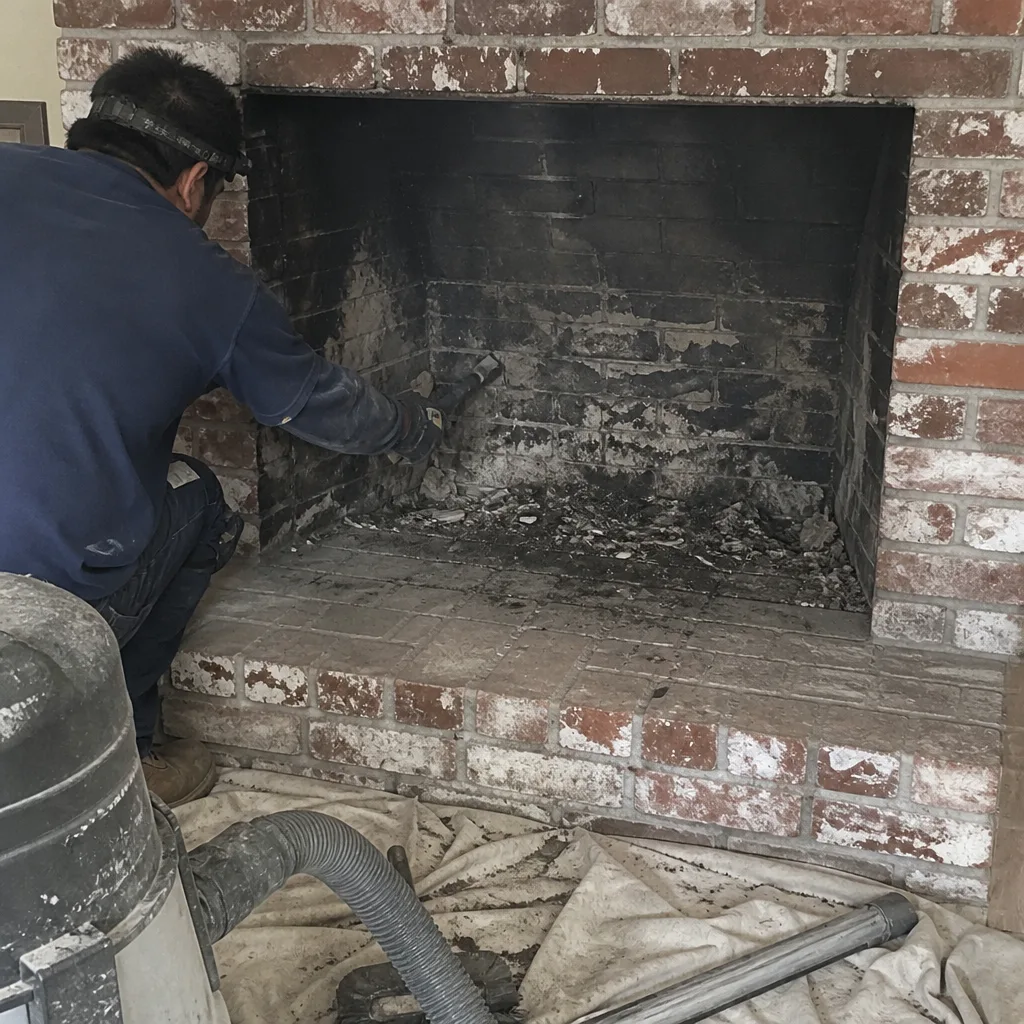
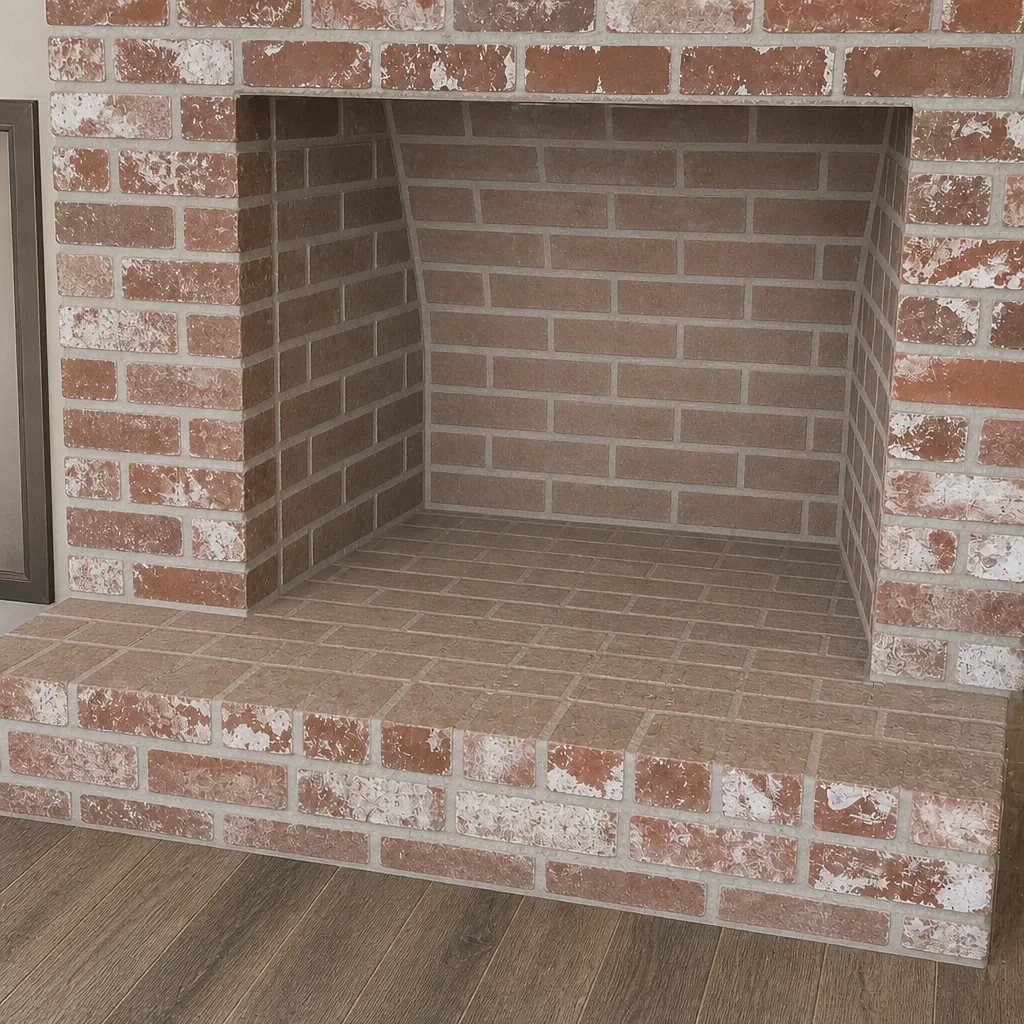
See the difference
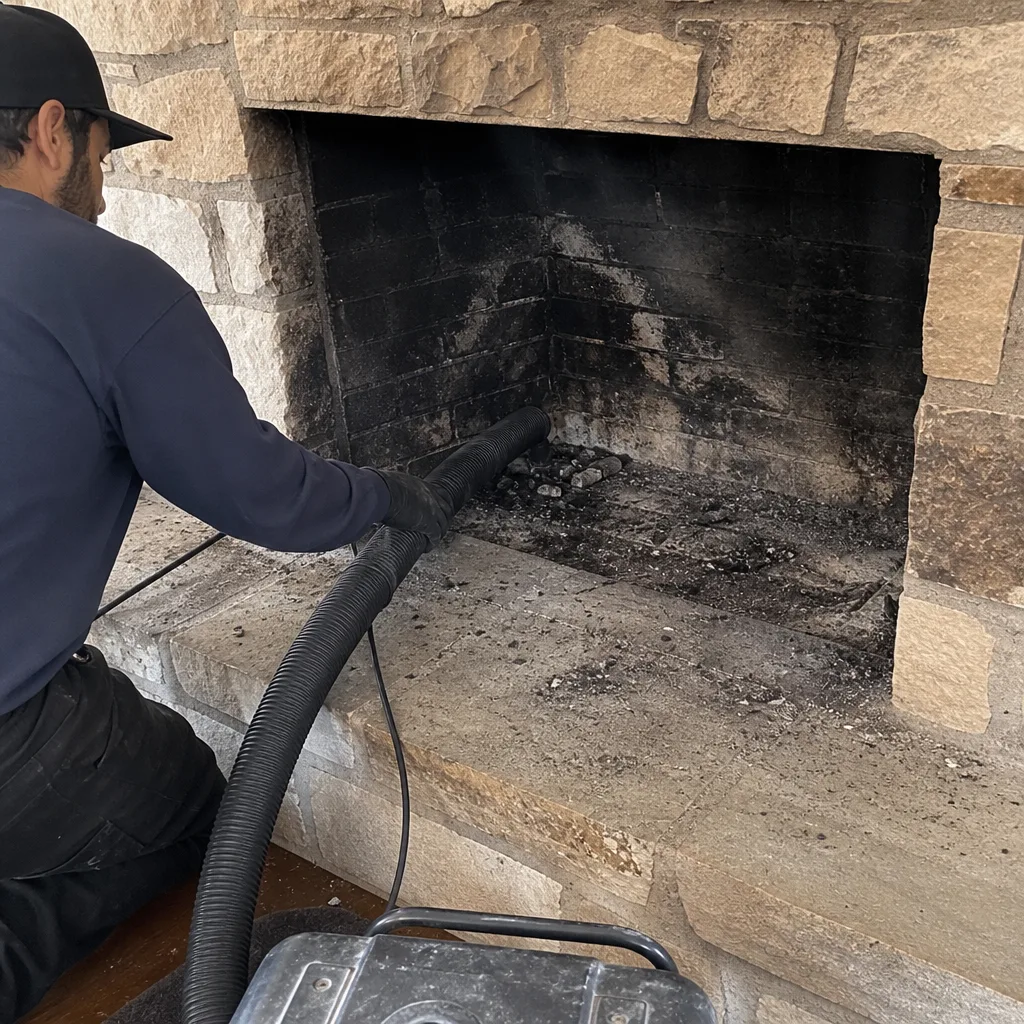 Before
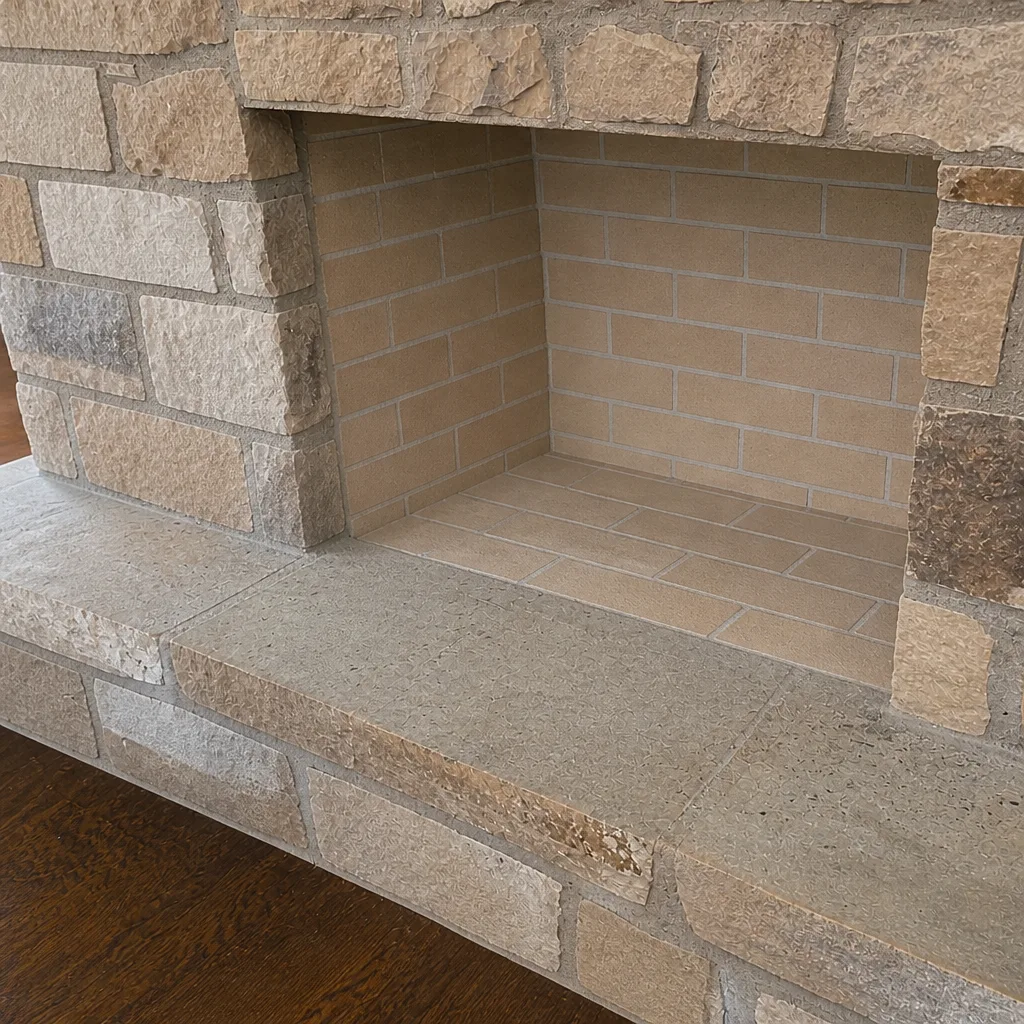 After
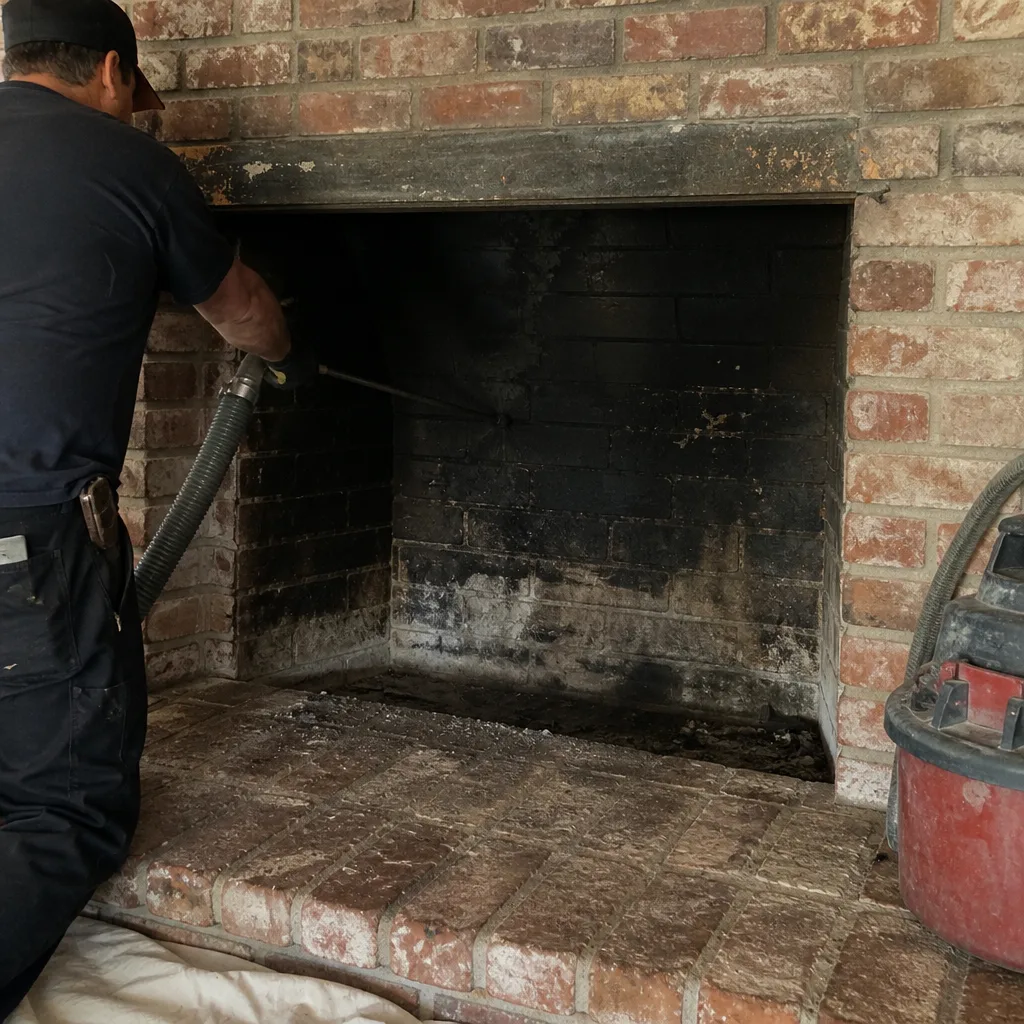 Before
 After
 Before
 After
When to Call a Professional
Some situations call for professional attention regardless of how capable you are at home. Call us if any of these describe your chimney:
- You smell a strong, persistent smoky odor inside the house, even when the fireplace is cold.
- You’ve had a chimney fire, however small it seemed at the time.
- You’re in or about to enter a real estate transaction and need a documented inspection.
- You’ve moved into a home and don’t know when the chimney was last serviced.
- You’ve spotted a cracked or missing chimney cap, or damaged masonry at the crown.
- Your fireplace draws poorly, smokes into the room, or has visible damage to the firebox or damper.
Newport Beach Chimney Sweep Pros offers free estimates in Newport Beach – call (844) 573-0875. We answer 24/7. Fast dispatch from 7am to 7pm, Sunday through Friday.
Frequently Asked Questions
You can safely do a basic brush cleaning of an accessible single-story flue, a visual look from below, and a ground-level cap check. Anything beyond that – liner diagnosis, crown evaluation, Stage 2 or 3 creosote removal, and documented inspection – requires a trained technician. Call (844) 573-0875 for an honest assessment of what your chimney actually needs – estimates are free.
If you burn regularly, annual. If you burn occasionally, ask us for an interval based on what we find during the first inspection. The mild local climate means many homes here burn more than they’d expect from October through March, which makes an annual appointment a sensible default. Call (844) 573-0875 to book an estimate and we’ll tell you the right interval.
Yes, if it hasn’t been checked recently. Seasonal use still builds creosote and still allows small defects to develop between seasons. The inspection is what tells you it’s safe – not the absence of symptoms. Call (844) 573-0875 for a free estimate on a Level I inspection.
A Level I is a visual check of accessible chimney components. A Level II goes further with professional-grade cameras to assess the full flue and liner, and it’s the level required for a real estate transaction, after a chimney fire, or when an appliance change is planned. We document both, and the report is yours to keep. Call (844) 573-0875 for an exact quote – estimates are free.
DIY cleaning doesn’t automatically void a prefab warranty, but it leaves no service record – and many manufacturer warranties call for documented annual professional inspection and cleaning. A missing record weakens a claim. Call (844) 573-0875 for a documented inspection you can keep on file.
Creosote keeps building, moving from Stage 1 to Stage 2 to Stage 3, and the risk of a chimney fire rises with it. Small defects – a hairline crack in the flue tile, a chip in the crown – also keep compounding quietly. Nothing gets cheaper by waiting, and some repairs get much more expensive. Call (844) 573-0875 for a free estimate and an honest read on where things stand.
The Bottom Line
DIY chimney cleaning is a fair answer to a narrow question, and a poor answer to a wider one. The brush kit removes soot; it doesn’t diagnose the flue, the crown, the cap, or the creosote stage. In Newport Beach’s active real estate market, the documented inspection record is a genuine asset – for a seller, a buyer, and an insurer. The practical model is the hybrid: you handle the firebox and the simple checks, and a trained technician handles the sweep, the inspection, and any needed repairs. We carry and install parts from HeatShield, Gelco, Olympia Chimney, and Famco – not generic substitutes – and one company handles the sweep, the inspection, and any repair, start to finish. Our technicians have up to 13 years of experience, and nothing gets recommended without camera evidence you can review yourself.
Ready for an Honest Answer About Your Chimney?
If you’ve read this far, you already know the DIY line – and you may already know which side of it your chimney is on. The next step is simple: get the inspection done, get the report in hand, and let the findings drive the decision. Call Newport Beach Chimney Sweep Pros at (844) 573-0875 for a free estimate. We answer 24/7. Fast dispatch from 7am to 7pm, Sunday through Friday. Flat-price sweep agreed before booking, camera inspection and photo report included, and no repair recommended that you can’t see the evidence for yourself.
Written by the team at Newport Beach Chimney Sweep Pros.