
Last updated November 25, 2026
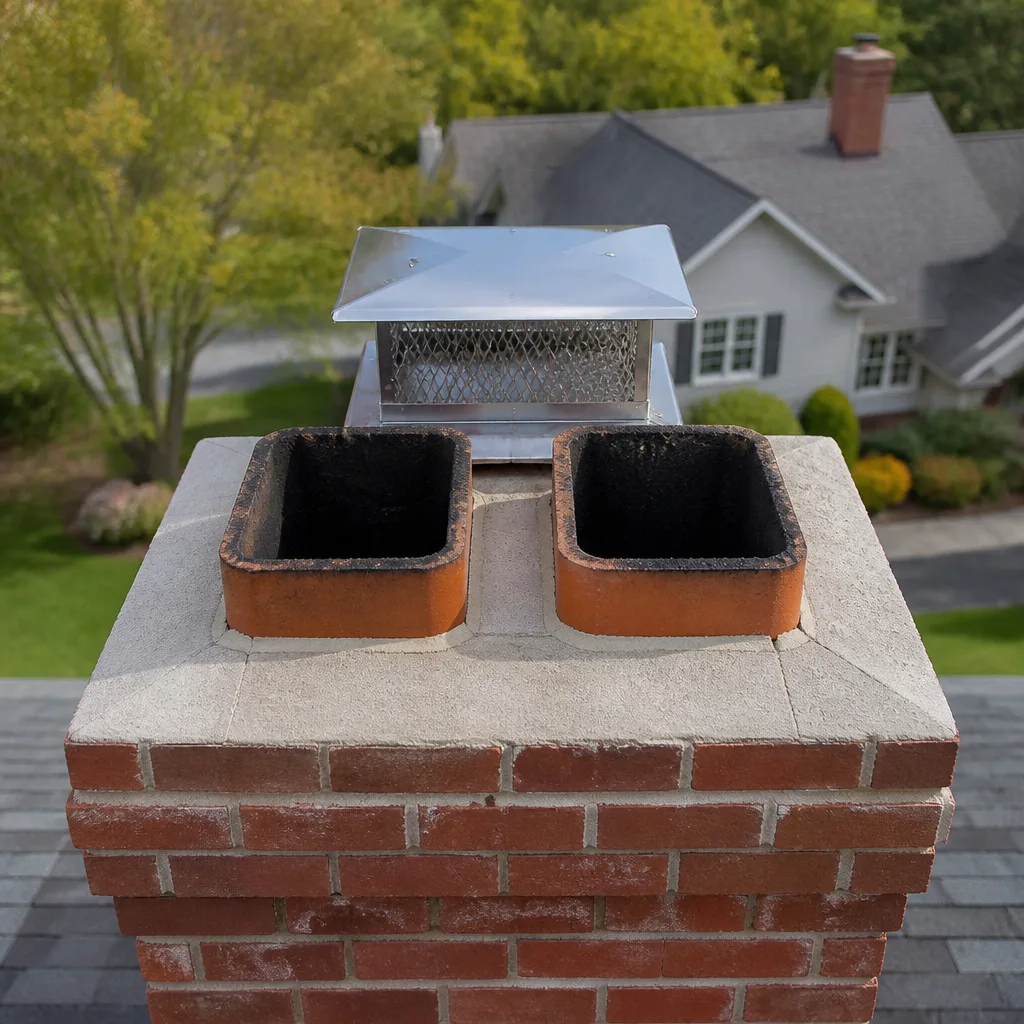 Sweep & inspection
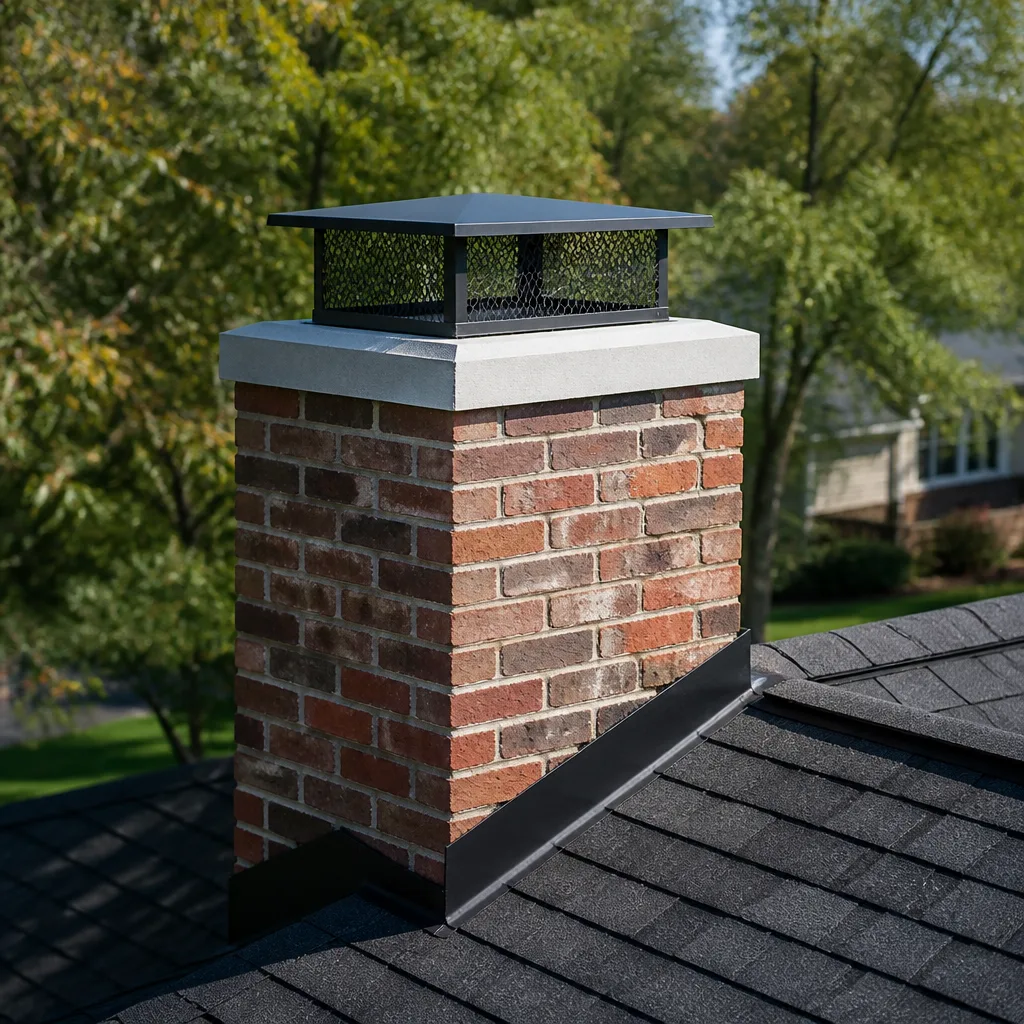 Caps & crowns
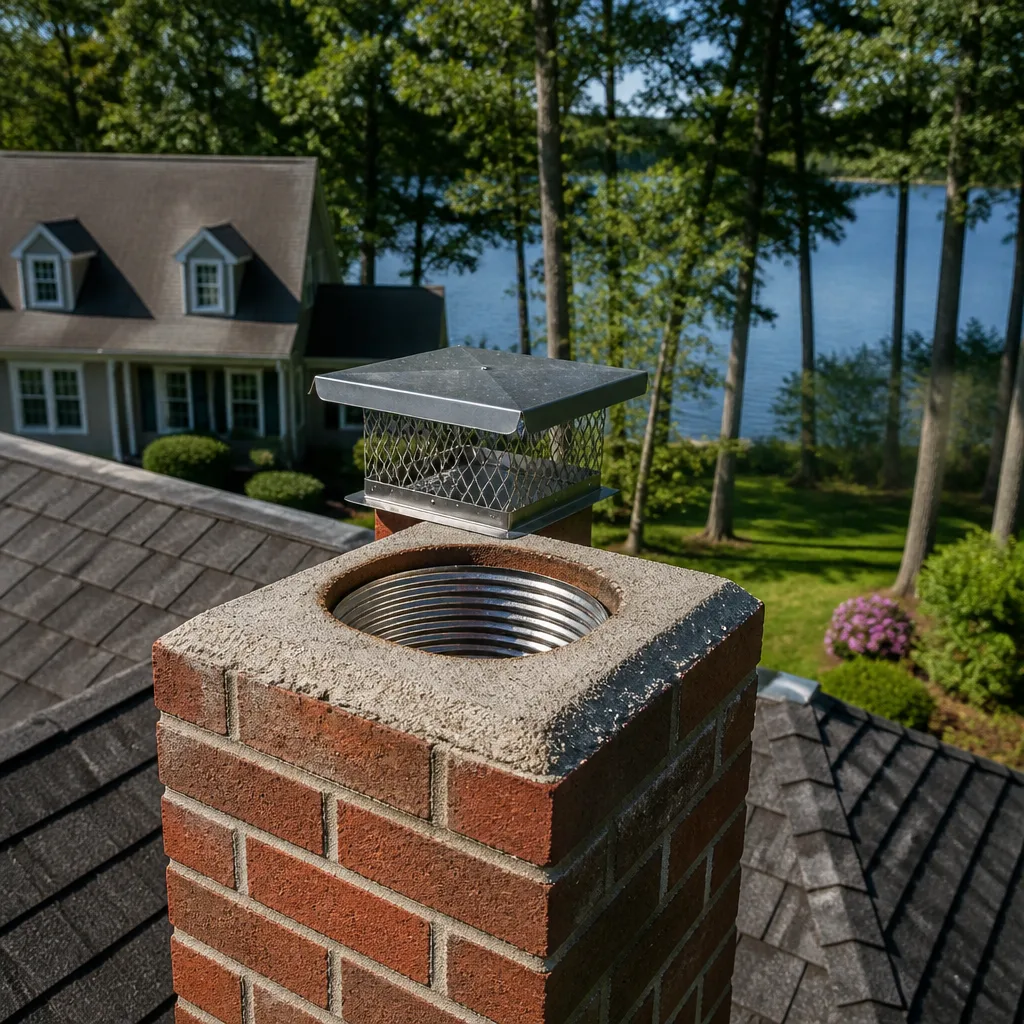 Flue relining
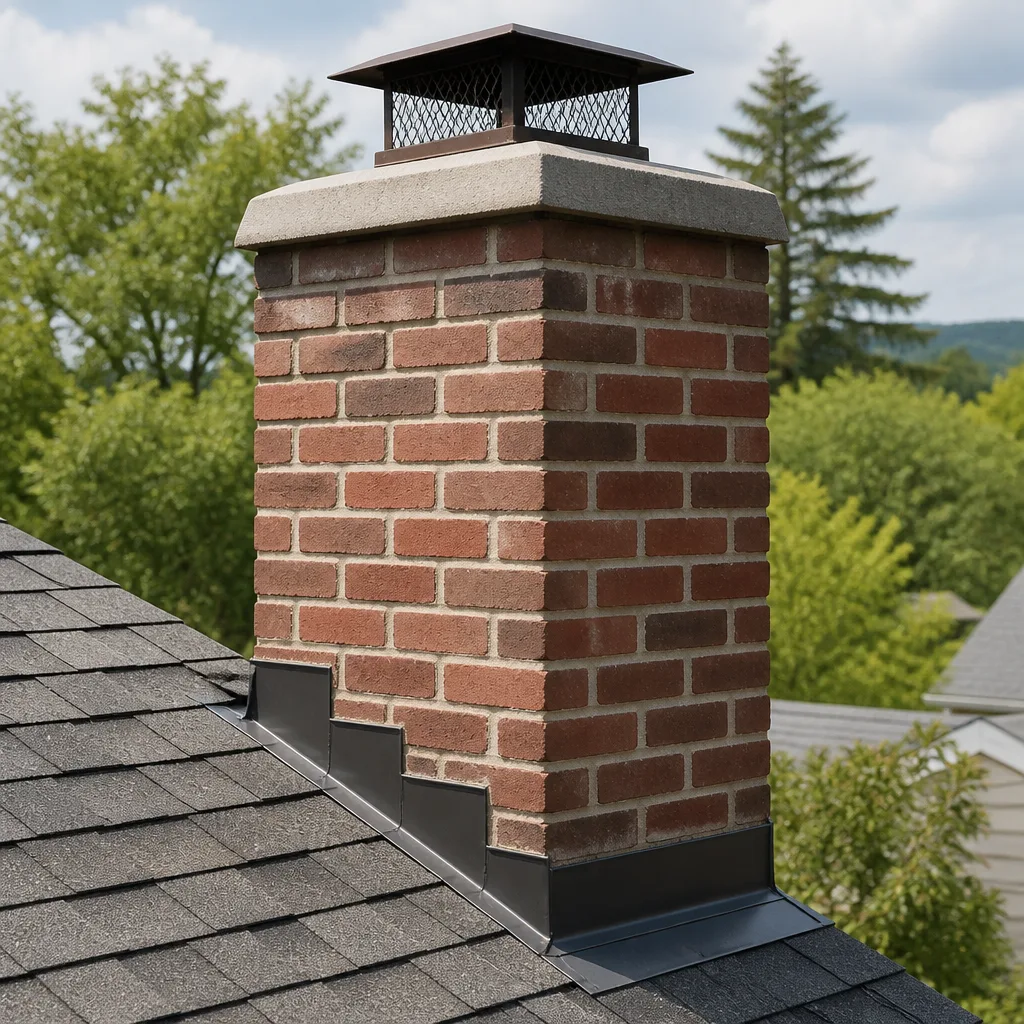 Masonry repair
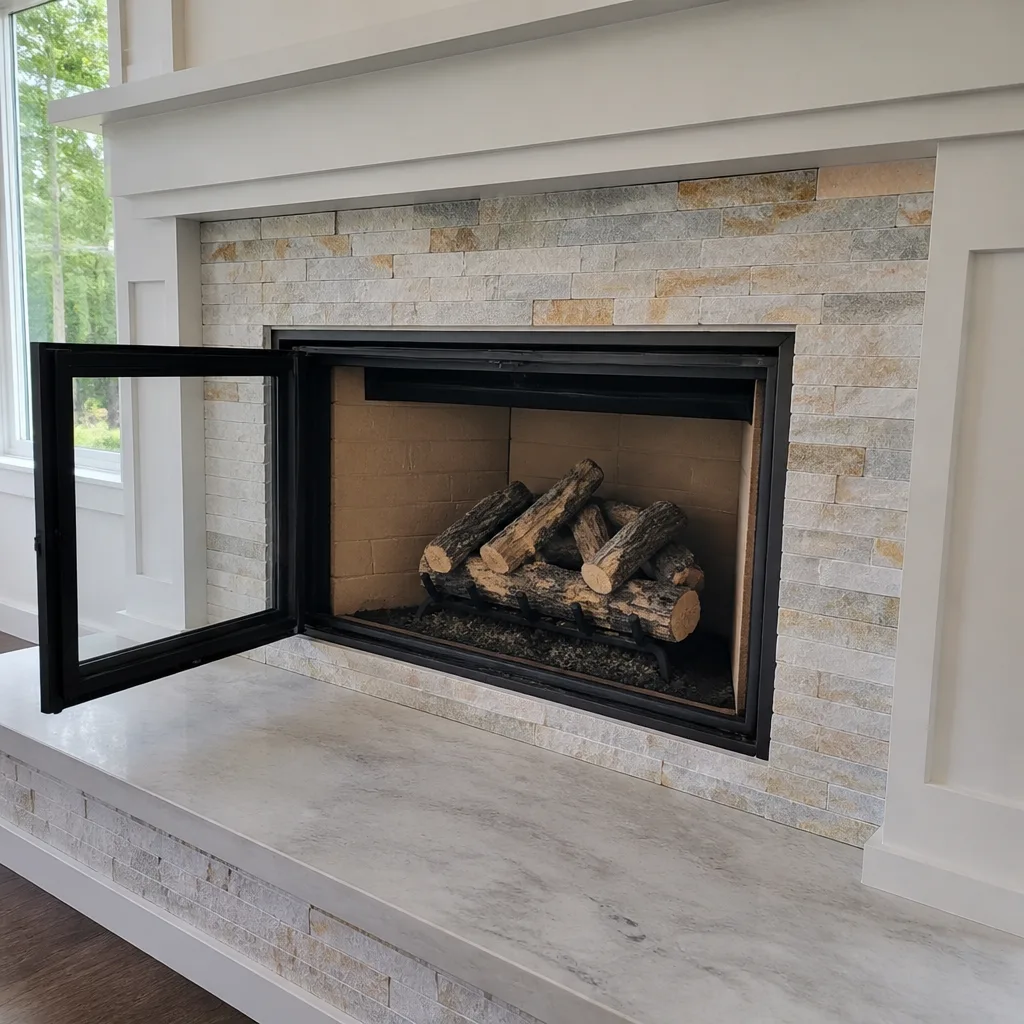 Gas fireplace service
Level 1 sweep and inspection to the NFPA 211 annual standard - flue, crown, cap, and flashing checked and photographed
Chimney sweep logs do not sweep chimneys. They loosen some creosote - which then falls where a brush and vacuum still have to collect it.
Chimney Sweep Maintenance Checklist for Newport Beach Homeowners
Most chimney maintenance checklists you’ll find online were written for a house in Ohio that burns wood four months a year. Newport Beach doesn’t work that way. Many fireplaces here sit dormant through spring and summer, then get used in short bursts when the evenings cool off. That pattern, combined with the local climate, creates a different set of failure points than a cold-weather template ever accounts for. In this guide, we’ll walk through what actually goes wrong on a Newport Beach chimney, what you can safely check yourself, and when it’s time to bring in a specialist. No generic boilerplate. Just the checklist this city’s homes actually need.
Quick Answer
A Newport Beach homeowner should run a visual checklist in early fall, after any Santa Ana wind event, and before the first fire of the season, then book a professional sweep and inspection once a year if the fireplace sees regular use. If you burn more than a few cords a season or notice drafts, staining, or a loose cap, twice-yearly service is warranted. The single most important item on any checklist is the cap and crown, because those are the first components to fail when a chimney sits idle in a humid environment.
Styles & brands we work with
- Sweep & inspection
- Caps & crowns
- Flue relining
- Masonry repair
- Gas fireplace service
Table of Contents
- Pre-Season Checklist for a Dormant Fireplace
- What You Can Safely Check Yourself
- The Cap and Crown: First Line of Defense
- Post-Storm Checklist After Santa Ana Winds
- How Often Should a Newport Beach Chimney Be Serviced?
- What a Professional Inspection Covers
- Why Material Brand Matters in Chimney Repair
- Common Mistakes to Avoid
- When to Call a Professional
Pre-Season Checklist for a Dormant Fireplace
The first cool evening of fall is the wrong time to discover a problem. A fireplace that’s been closed up through a humid spring and summer has had months to develop issues that aren’t visible until you light a fire. Running a pre-season check in September gives you time to schedule any repair work before you actually need the fireplace. Here’s what a complete pre-season walkthrough involves.
- Open the damper and look up. Shine a flashlight into the flue. You’re checking for visible soot buildup, bird nests, or debris that fell in while the fireplace was dormant. Anything blocking the flue needs to come out before the first fire.
- Check the firebox for cracks. Hairline cracks in the firebox brick or mortar joints can widen over a humid summer. Run a finger along the joints; if mortar crumbles or bricks feel loose, that’s a repair item.
- Look for moisture staining. Dark streaks or white mineral deposits on the firebox walls or the smoke chamber above the damper suggest water has been getting in. That points back to a cap, crown, or flashing problem.
- Test the damper operation. The damper should open and close smoothly. A damper that sticks or won’t seal means you’re losing heat up the flue even when the fireplace is closed off.
- Inspect the firebox grate and doors. Rusted grates and warped glass doors are common after a dormant season and are easy to replace before the first fire.
- Check the exterior at ground level. Walk the perimeter and look at the chimney from the yard. You’re looking for missing cap screens, cracked crowns, or masonry stains, all covered in the sections below.
If any of those items raise a flag, it’s worth booking a professional inspection before you use the fireplace. In our experience working on Newport Beach homes, the pre-season check catches most of the problems that would otherwise show up as a smoky fire or a drafty room in November.
What You Can Safely Check Yourself
A homeowner with a flashlight and a few minutes can catch a lot of chimney problems without ever climbing onto the roof. The key is knowing what to look at and, more importantly, what not to touch. The safety caveat here is simple: never go on the roof yourself, never disassemble any part of the flue, and never reach into the firebox while a fire is burning or still hot. The checks below are all ground-level or firebox-level and are safe to do.
From the ground, looking up at the chimney
- Does the chimney cap look intact, or is the screen bent, rusted, or missing?
- Is the crown (the concrete or masonry slab at the top) cracked or crumbling?
- Are there visible stains running down the exterior masonry, which suggest water getting in at the top?
- Is the chimney leaning, or has any brick spalled (flaked or crumbled) off?
- Is there obvious debris, like a bird nest or leaves, visible at the top of the flue?
From inside, at the firebox
- Are the firebox walls cracked, and do the mortar joints crumble when you press them?
- Is there a dark or white stain on the firebox walls, or a musty smell when the damper is open?
- Does the damper open and close cleanly, or does it stick?
- Is there a buildup of soot or creosote visible on the smoke chamber above the damper?
If any of those checks come back wrong, the next step is a professional inspection. A visual check from the ground cannot see the flue interior or the top of the smoke chamber, and those are where the bigger problems hide. When we inspect a Newport Beach chimney, we use a camera to see what the ground-level check can’t.
The Cap and Crown: First Line of Defense
If we had to point to one item on a chimney maintenance checklist that gets skipped most often and matters most, it’s the cap and crown. A chimney cap isn’t optional maintenance. It’s the difference between a dry flue and a crumbling one. The crown is the concrete slab at the very top of the chimney that sheds water away from the masonry; the cap is the metal hood and screen that sits over the flue opening.
Both parts take the brunt of weather. In Newport Beach, the combination of occasional rain, humidity, and sun exposure causes caps to rust and crowns to crack. A cracked crown lets water seep into the masonry, and once water is inside the chimney, it finds its way down to the smoke chamber and then into the firebox. That’s when a small crown repair turns into a liner replacement.
What to look for on the cap
- Rust on the metal hood or screen, especially at the seams.
- Bent or missing screen mesh, which lets birds and debris in.
- A cap that’s loose, wobbly, or sitting at an angle.
- Visible gaps between the cap and the flue tile.
What to look for on the crown
- Cracks, especially along the top surface or where the crown meets the flue tile.
- Crumbling or spalling concrete.
- Moss, algae, or dark staining, which signal prolonged moisture.
- A crown that’s pulled away from the chimney at the edges.
Catching cap and crown damage early is where a Newport Beach homeowner saves real money. Replacing a cap or repairing a crown is a straightforward job; repairing the masonry and liner damage that follows months of water intrusion is not. We install caps and crowns using Gelco and Famco components, which are built for longevity rather than the generic parts a handyman might pick up. When we install a cap or crown in Newport Beach, we size it to the specific flue and chimney dimensions, so it actually keeps water out.
Post-Storm Checklist After Santa Ana Winds
Santa Ana wind events are the most common driver of sudden cap and flashing damage in Orange County. A strong Santa Ana can peel a cap off the flue, lift flashing away from the roof, or drop debris into the chimney. After a notable wind event, a short post-storm checklist is worth the ten minutes.
- Look at the chimney from the yard. Is the cap still sitting flat and square? Is the exterior of the chimney unchanged?
- Check the roof flashing line. From the ground, look at where the chimney meets the roof. Flashing that’s been lifted or torn away is visible even from a distance.
- Look for debris in the firebox. With the damper open and a flashlight, look up the flue for leaves, twigs, or anything that fell in.
- Look for water staining on the chimney exterior. New stains appearing after a storm point to a failed cap, crown, or flashing.
- Listen for drafts or whistling. A whistling sound at the fireplace, or a persistent draft when the damper is closed, usually means the cap or damper isn’t sealing anymore.
- Note anything suspicious and book an inspection. A post-storm inspection is often the cheapest way to catch a small problem before the next rain turns it into a big one.
We see this pattern often in Newport Beach after a strong wind event: what looks like minor cosmetic damage at the top of the chimney turns into a water intrusion problem by the next rain. The time to check is after the wind, not after the water damage.
How Often Should a Newport Beach Chimney Be Serviced?
Once a year is the right benchmark for most Newport Beach homes that use their fireplace regularly. That covers the sweep, the visual inspection, and a chance to catch cap and crown issues before they become structural. There are specific situations where twice-yearly service is warranted, and the trigger is usually usage or a specific event rather than a rule of thumb.
When annual service is enough
- The fireplace is used a handful of times a month in cool weather.
- The chimney is capped and the crown is in good condition.
- There’s no history of water intrusion, staining, or draft problems.
When twice-yearly service is warranted
- You burn wood most evenings during the cool season, or you go through more than a few cords a year.
- The fireplace has a history of heavy creosote buildup.
- You’ve had cap, crown, or flashing damage in the past, or the chimney sits on the windward side of the home where Santa Ana events hit hardest.
- You’ve just purchased the home and don’t know when the chimney was last serviced.
- The fireplace has been dormant for years and is being brought back into use.
For a Newport Beach home that only uses the fireplace occasionally, an annual sweep and inspection is usually the right cadence. If you’re using it more heavily, or if the home is new to you, a second service call in the spring is a cheap insurance policy. A chimney sweep and inspection also matter for real estate and insurance paperwork; a documented inspection is often what a buyer or insurer wants to see.
What a Professional Inspection Covers
A professional chimney inspection is a standalone, structured service, not a quick glance before the sweep. When we inspect a Newport Beach chimney, we go through it systematically from the firebox to the crown, and we document what we find so you have a written record you can use for real estate, insurance, or your own tracking over time.
What a professional inspection covers
- Firebox and smoke chamber. We check for cracks, mortar deterioration, and creosote buildup.
- Damper. We test operation and seal.
- Flue interior. We use a camera to see the flue walls, check for cracks, gaps, and buildup that a ground-level look can’t catch.
- Chimney exterior. We check the masonry for spalling, staining, and cracks; the crown for cracks and separation; and the cap for rust, damage, and fit.
- Flashing and roof line. We check where the chimney meets the roof, since that’s where most water intrusion starts.
- Draft test. We look for signs that the chimney isn’t drawing properly, which often points to a blockage or a flue sizing issue.
The inspection report is the point. It tells you what you’re working with, what needs fixing now, and what can safely wait. We carry and install parts from DuraFlex, HeatShield, Gelco, Olympia Chimney, Famco, and Copperfield, so if the inspection turns up something that needs a repair, we can usually handle it on the same visit rather than sending you off to find another contractor. One company handles the sweep, the inspection, and any repair, start to finish.
Why Material Brand Matters in Chimney Repair
Chimney repair materials aren’t all equivalent. The reason brands matter is that a chimney is exposed to weather, heat cycling, and corrosive flue gases, and the wrong material fails faster than the chimney around it. When we repair a Newport Beach chimney, we use professional-grade components from established brands because they’re designed for that environment.
- HeatShield for chimney resurfacing. HeatShield is a resurfacing system that restores a liner without the cost of a full relining. It’s a middle path between “leave it alone” and “replace the whole liner,” and it’s often the right answer when the flue has cracks but the structure is still sound.
- DuraFlex for liner systems. DuraFlex flexible liner systems are installed directly for relining jobs where a full replacement is warranted.
- Gelco and Famco for caps and crowns. Cap and crown components from Gelco and Famco are built for longevity and fit the chimney correctly, which is what actually keeps water out.
These are the same brands chimney specialists nationwide rely on. Using them isn’t a marketing point; it’s the difference between a repair that lasts a season and one that lasts the life of the chimney.
Common Mistakes to Avoid
- Treating the cap as optional. A missing or damaged cap is one of the most common causes of water intrusion in Newport Beach. A cap costs far less than the liner and masonry repairs that follow months of water damage.
- Skipping the inspection because the sweep “looks fine.” A clean flue doesn’t mean a safe flue. Cracks in the flue tile and crown damage aren’t visible without a proper inspection.
- Going on the roof yourself. Roof work on a Newport Beach home is steep and often slippery, and a chimney cap repair isn’t worth the risk of a fall. Ground-level visual checks catch most problems, and a professional can handle the rest.
- Burning unseasoned wood to “save money.” Green or wet wood produces more creosote, which is what causes chimney fires. Use dry, seasoned wood and keep the buildup down.
- Ignoring a draft or a smoky fire. A fireplace that smokes into the room or drafts badly has a real problem: a blockage, a cap issue, or a flue sizing problem. Those need a professional look, not a workaround.
- Waiting until the first cold evening to schedule. The weeks before the first cool snap are when everyone else is also booking service. A pre-season check in early fall gives you time to handle repairs before you actually need the fireplace.
- Using a handyman for chimney repair. Chimney repair uses specific materials and specific methods. A generic repair that uses the wrong mortar or the wrong liner component will fail faster than the original problem and cost more to fix. Use a chimney-only specialist with professional-grade parts.
When to Call a Professional
Some items on this checklist are safe to handle yourself; others belong to a professional. Call us if you see a cracked or crumbling crown, a loose or rusted cap, water staining on the chimney exterior or firebox, a fireplace that smokes into the room, a damper that won’t seal, or visible cracks in the flue tile. Call us after a strong Santa Ana wind event or any storm that may have damaged the cap or flashing. And call us before the first fire of the season if the chimney hasn’t been serviced in a year or more, or if you’ve just moved into a Newport Beach home and don’t know the service history. A chimney fire or carbon monoxide problem is a serious safety issue, and the fix is a professional inspection and repair, not a workaround. Newport Beach Chimney Sweep Pros offers free estimates in Newport Beach. Call (844) 573-0875. We answer 24/7. Fast dispatch from 7am to 7pm, Sunday through Friday.
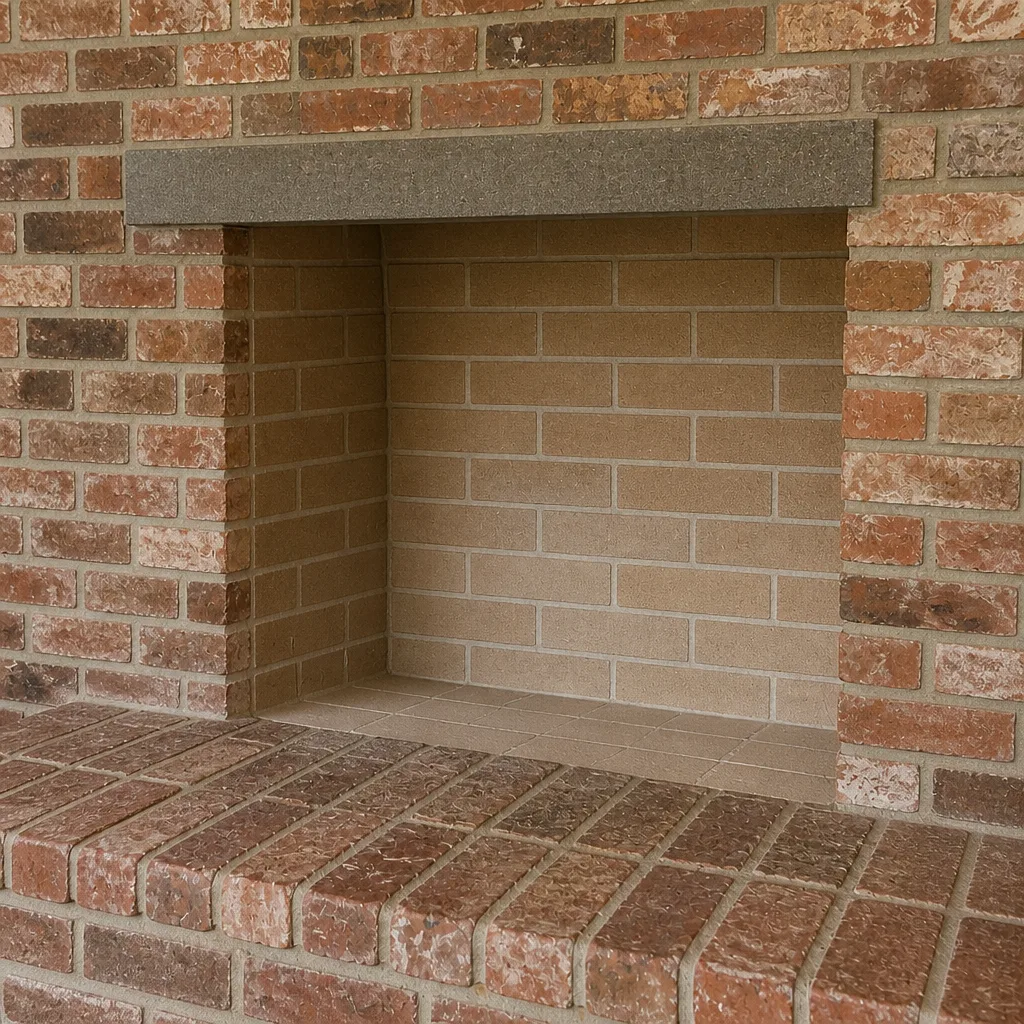
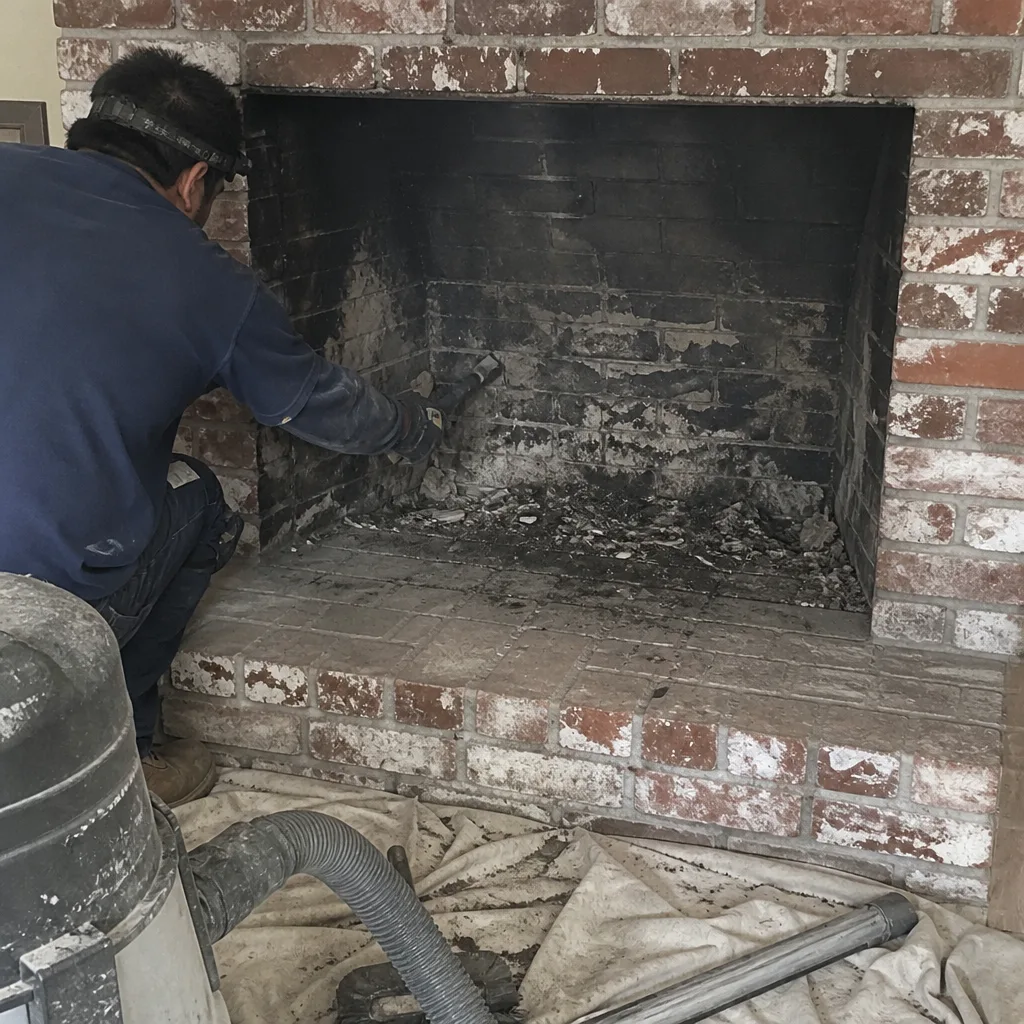
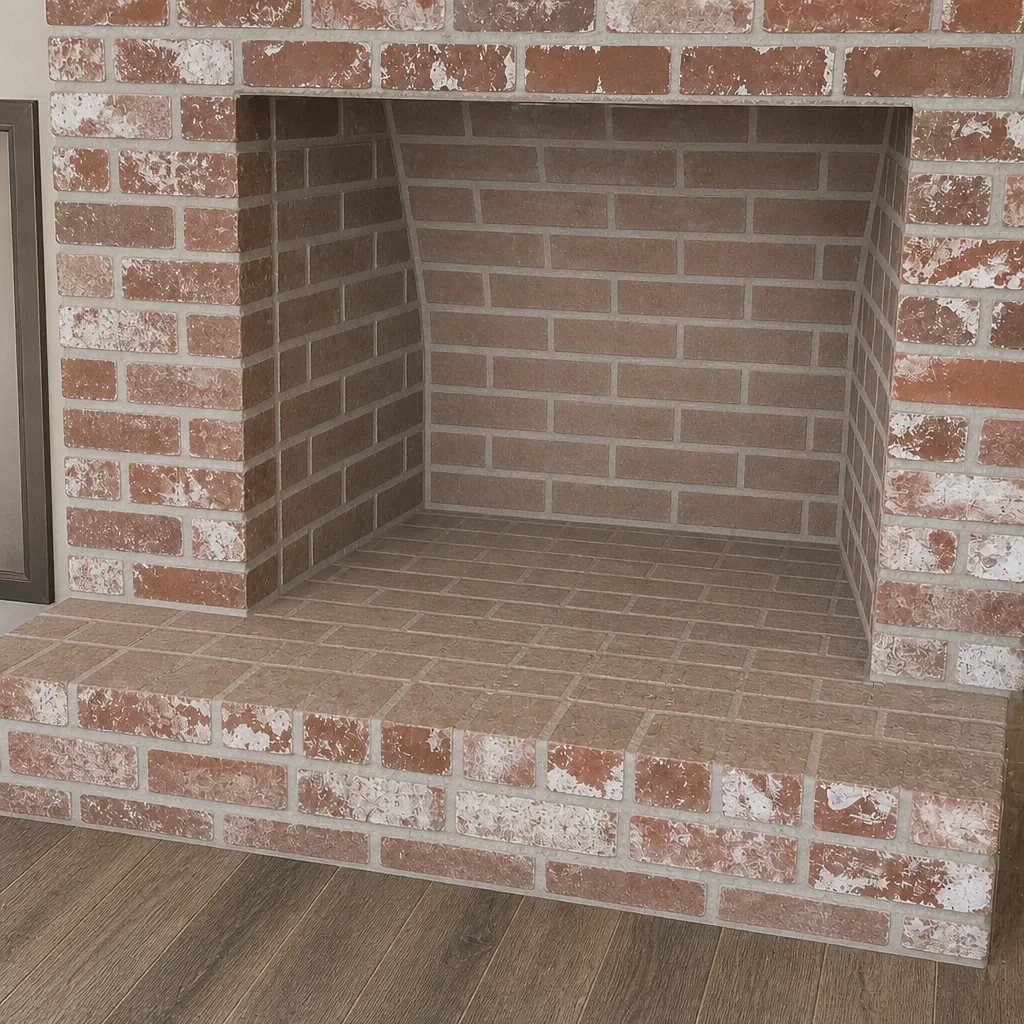
See the difference
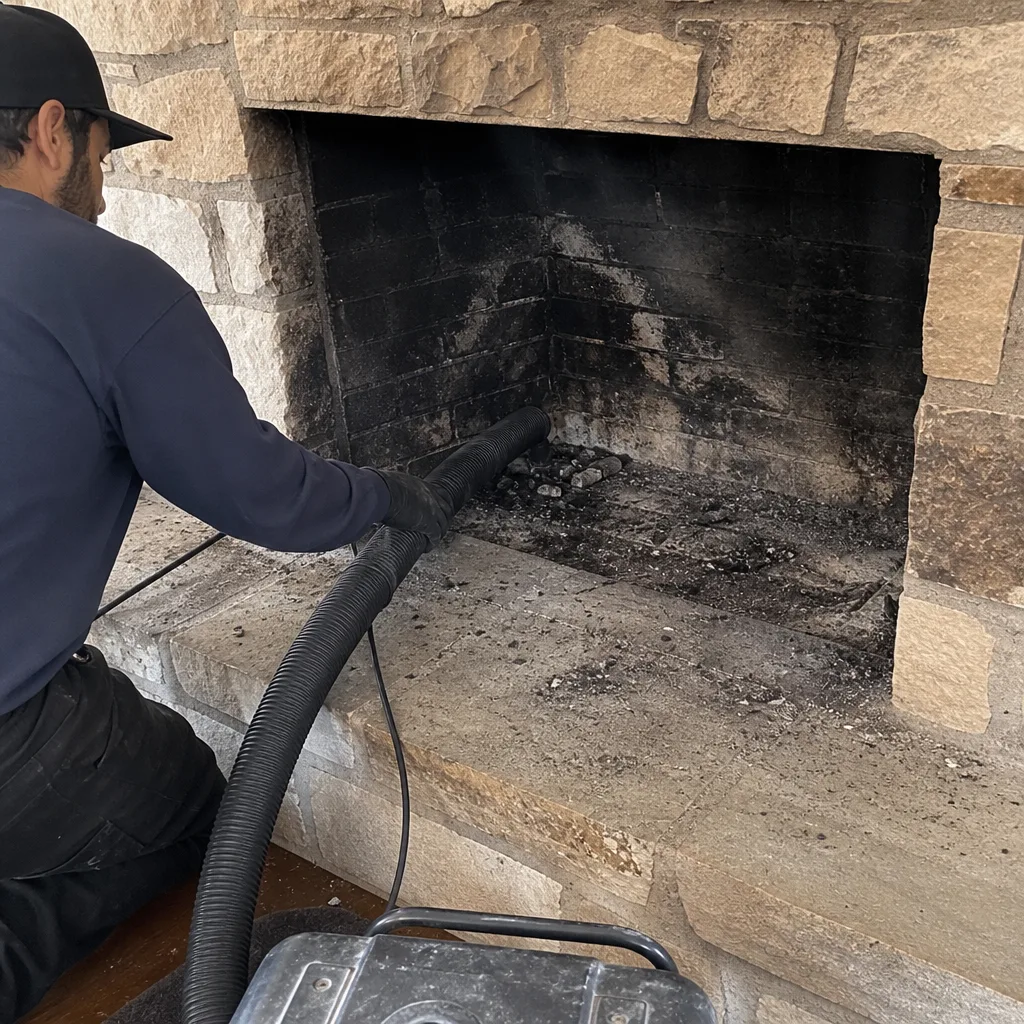 Before
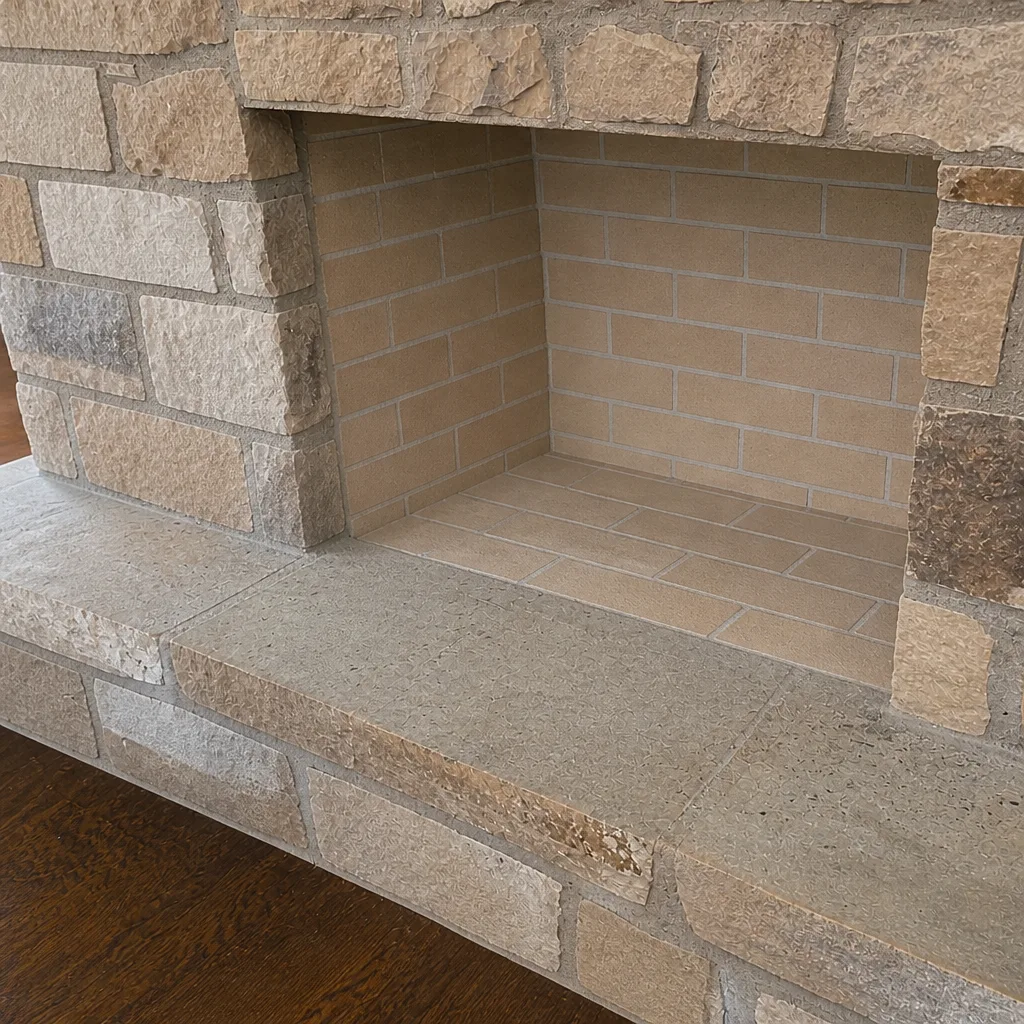 After
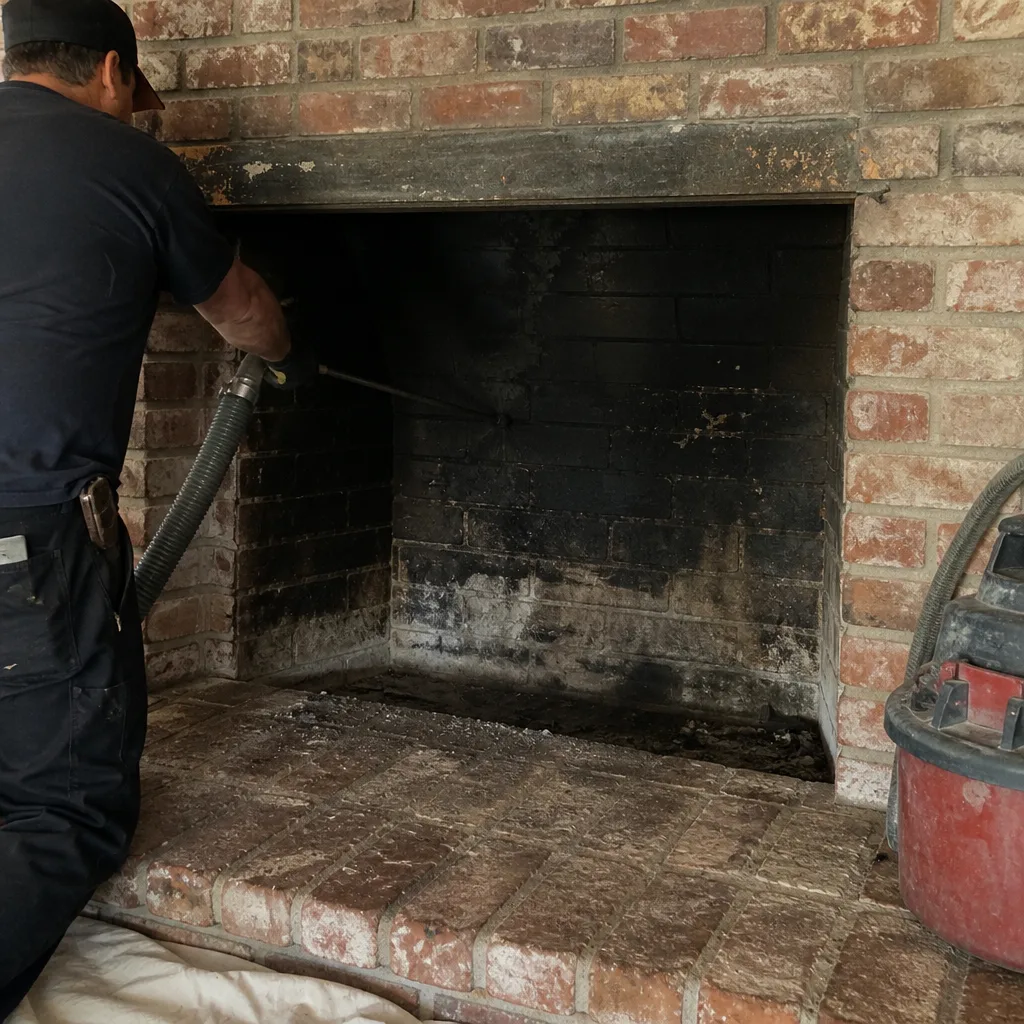 Before
 After
 Before
 After
Frequently Asked Questions
A chimney sweep in Newport Beach typically costs a set range that covers the sweep, the visual inspection, and a written report on what we find. The exact price is set per job by the written estimate, and the estimate is free. Call (844) 573-0875 for an exact quote; estimates are free.
Not always. A liner only needs replacing when the flue walls are cracked, deteriorated, or compromised, and we won’t recommend a replacement without camera evidence you can see yourself. In many cases, HeatShield resurfacing can restore the liner without a full replacement, and sometimes the right answer is to leave it alone and re-check next year. Call (844) 573-0875 to book an inspection; estimates are free.
Once a year for most Newport Beach homes that use the fireplace regularly, and twice a year if you burn heavily, have a history of creosote buildup, or have had cap or crown damage in the past. A pre-season sweep in early fall catches problems before the first fire. Call (844) 573-0875 for an exact quote; estimates are free.
Creosote builds up in the flue with every fire, and once it reaches a certain thickness, it becomes flammable and can cause a chimney fire. That’s the safety case for a sweep. Separately, a skipped inspection means a cracked crown or a damaged cap can go unnoticed until water intrusion turns into masonry and liner damage. Call (844) 573-0875 for an exact quote; estimates are free.
Yes, and you should. A ground-level look at the cap, crown, and exterior masonry, plus a flashlight check of the firebox and damper, will catch a lot of problems. What it can’t see is the flue interior and the top of the smoke chamber, so a professional inspection is still needed for a complete picture. Never go on the roof yourself. Call (844) 573-0875 for an exact quote; estimates are free.
Start with a professional inspection and sweep before the first fire. A dormant fireplace in Newport Beach may have debris in the flue, a cracked crown, a rusted cap, or a firebox that needs fireplace repair. We inspect before we sweep, so you know exactly what you’re working with. Call (844) 573-0875 for an exact quote; estimates are free.
Some chimney repairs require a permit and some don’t, and the answer depends on the scope of the work and the local building department’s current rules. Ask your city’s building department before scheduling any structural repair, and ask us to explain what the repair involves so you know what to ask about. For a clean answer on a specific repair, call (844) 573-0875 for a free estimate.
The Bottom Line
A chimney maintenance checklist for a Newport Beach home has to account for what actually goes wrong here: dormant fireplaces, humidity, and Santa Ana wind events that hit caps and flashings first. The priority items are always the cap, the crown, and the flashing, because those protect everything below them. Run the pre-season visual checks in early fall, do a post-storm look after any Santa Ana event, book an annual sweep and inspection, and call a professional when you see staining, cracking, or a draft. That’s the whole system. Everything else follows. When you need a sweep, an inspection, or a chimney repair, one company can handle the full chimney from the firebox to the crown. Newport Beach Chimney Sweep Pros covers the sweep, inspection, and repairs in one visit, with professional-grade parts from the brands that build for real weather.
Call (844) 573-0875 for a free estimate. We answer 24/7. Fast dispatch from 7am to 7pm, Sunday through Friday.
Written by the team at Newport Beach Chimney Sweep Pros.