
Last updated November 25, 2026
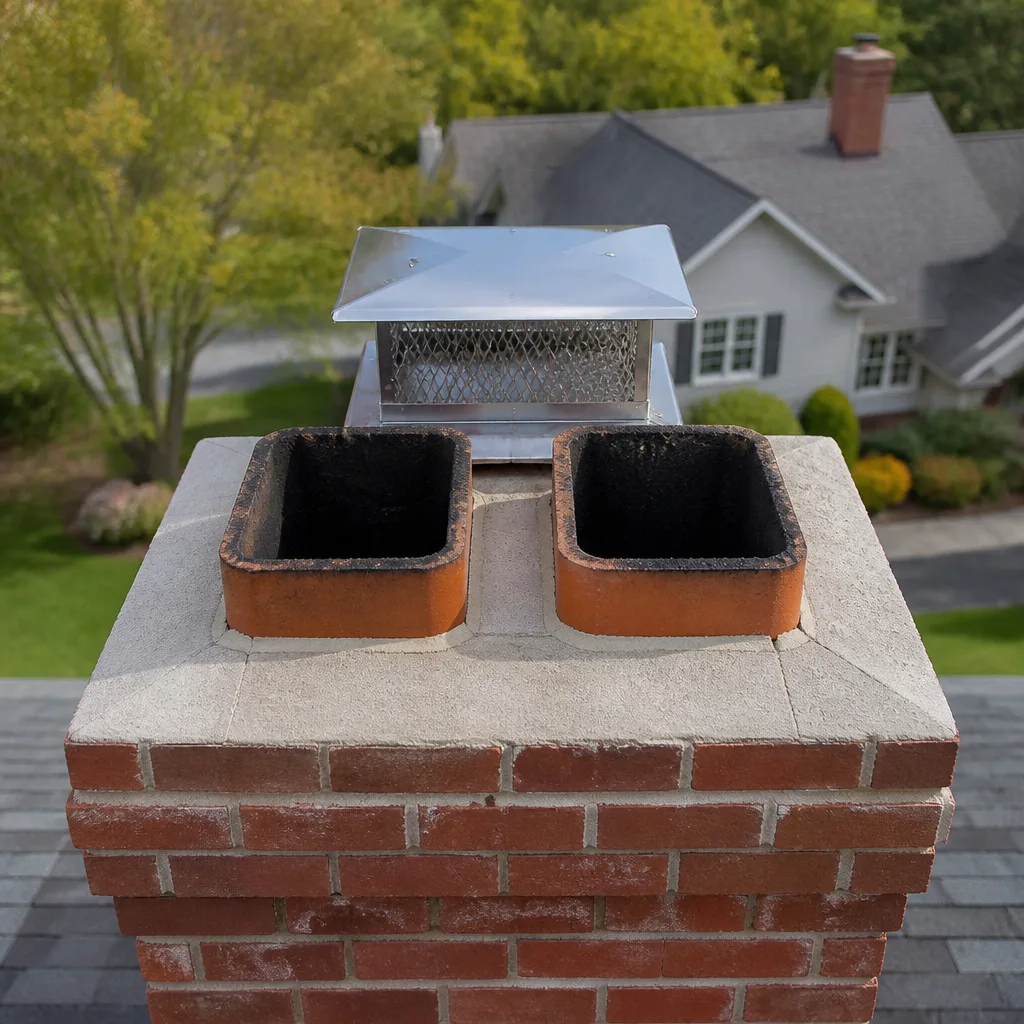 Sweep & inspection
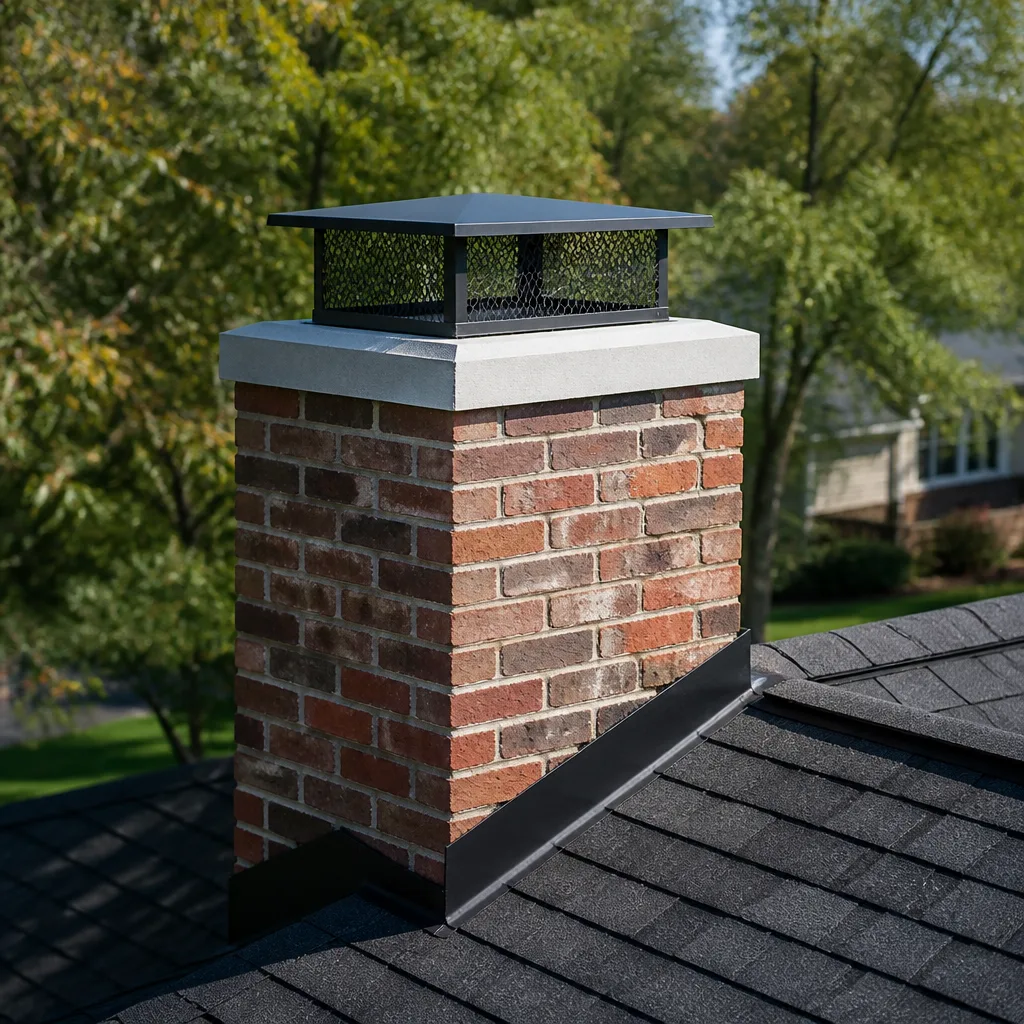 Caps & crowns
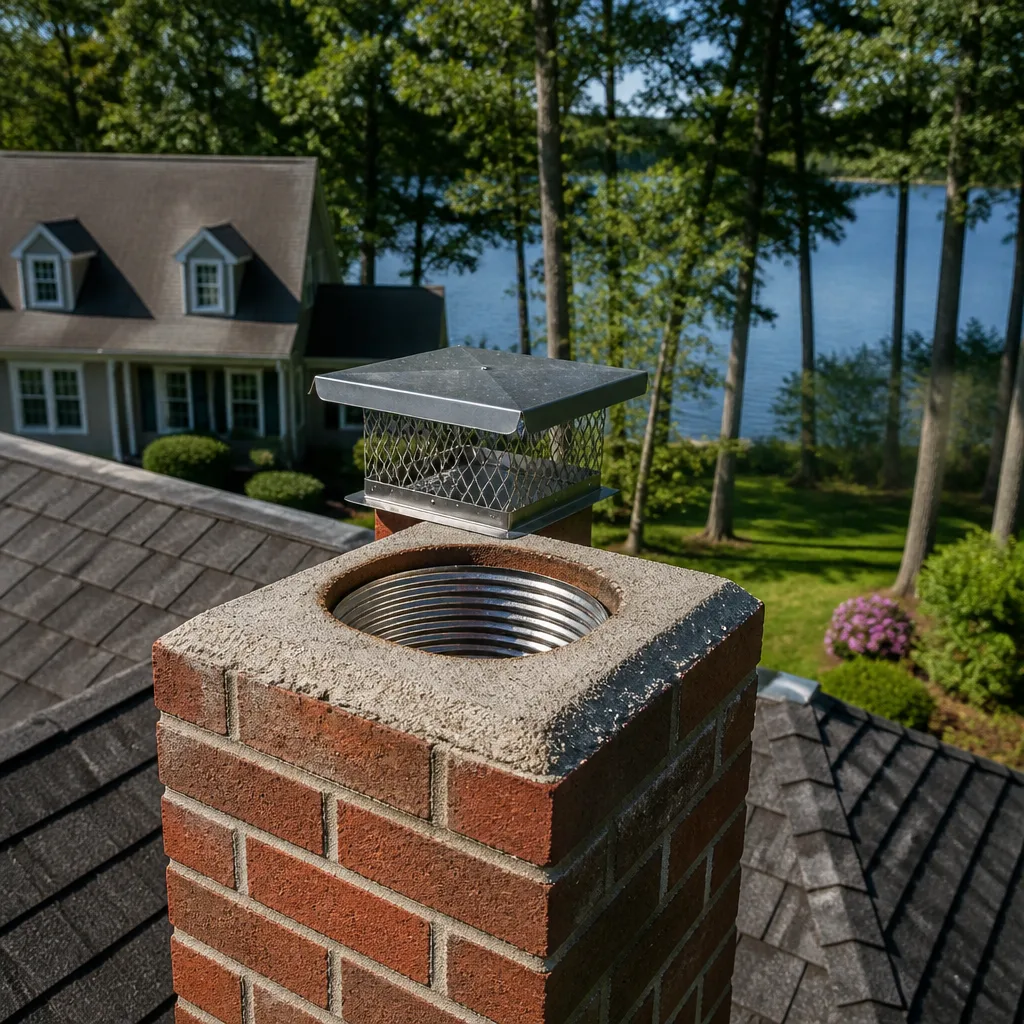 Flue relining
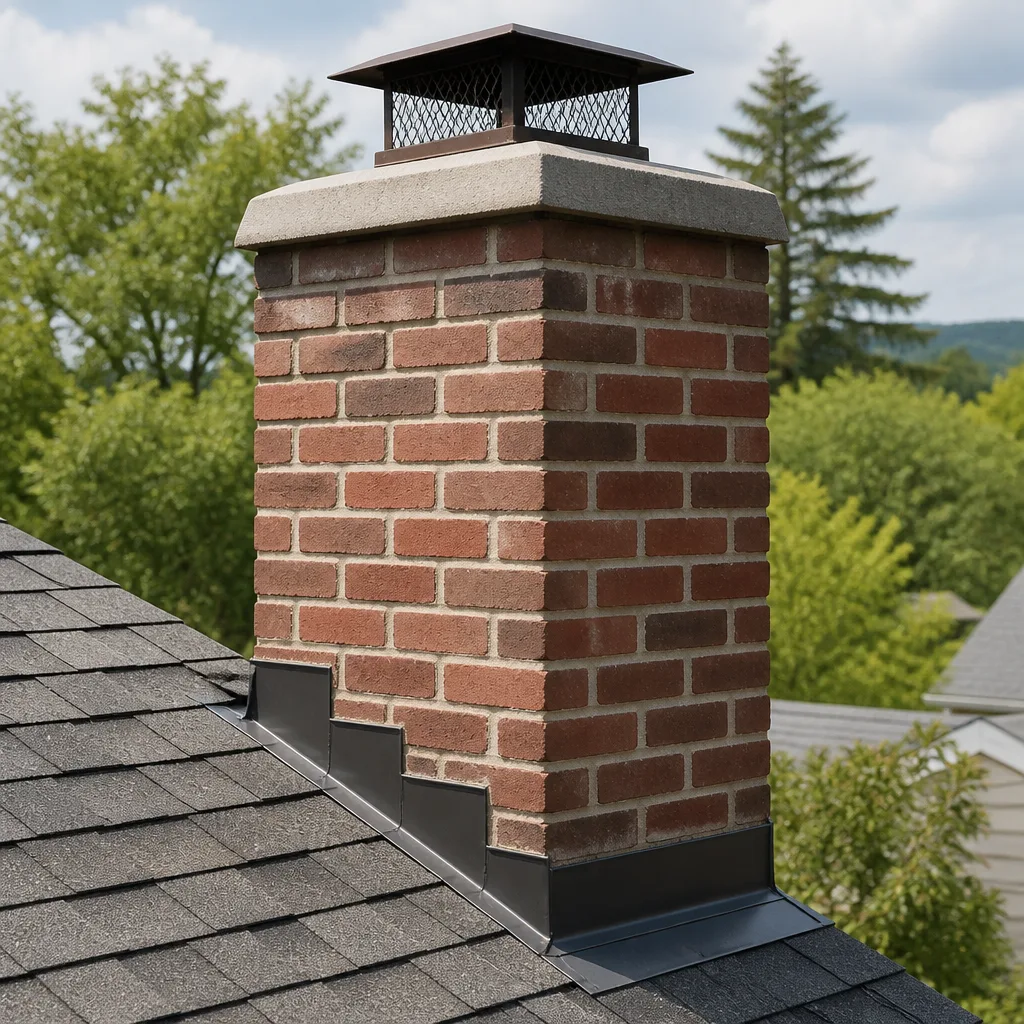 Masonry repair
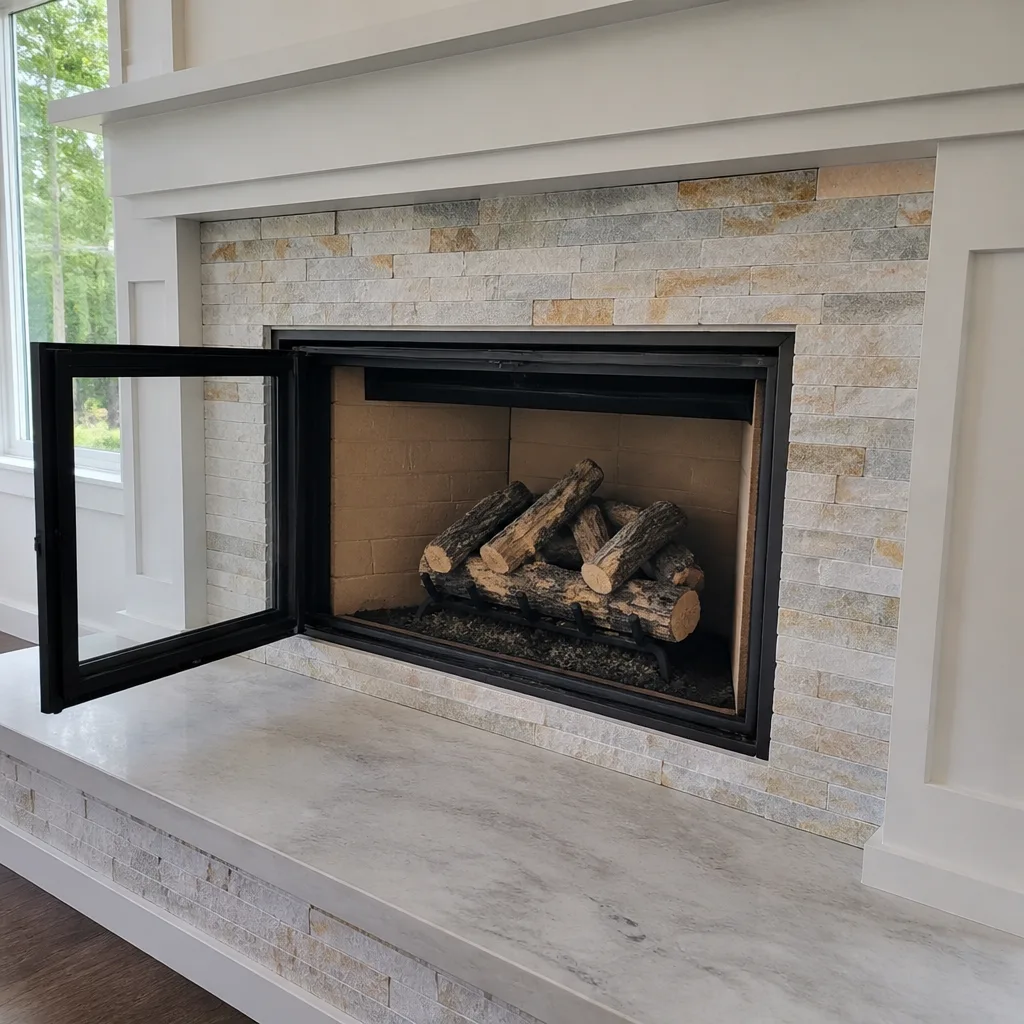 Gas fireplace service
Level 1 sweep and inspection to the NFPA 211 annual standard - flue, crown, cap, and flashing checked and photographed
Chimney sweep logs do not sweep chimneys. They loosen some creosote - which then falls where a brush and vacuum still have to collect it.
The Complete Guide to Chimney Cleaning in Newport Beach
Most chimney fires don’t start in the middle of a busy winter. They ignite the first time you light a fire after months of idleness, when debris, nesting material, and a summer’s worth of moisture have quietly built up inside a flue nobody has looked at. In a mild climate like ours, that first fire of the season can be the most dangerous one you light all year. This guide walks through what chimney cleaning actually involves, why low-use fireplaces still need attention, and how the specific conditions in Newport Beach shape the way a sweep should be done.
Quick Answer
Chimney cleaning in Newport Beach means more than brushing out soot. A proper service includes a documented inspection before the sweep, removal of soot and creosote with professional rotary and brush tooling, an evaluation of the cap and crown, and a written account of the chimney’s condition. Because local winters are mild enough that many fireplaces sit idle for months, the inspection matters as much as the cleaning itself.
Styles & brands we work with
- Sweep & inspection
- Caps & crowns
- Flue relining
- Masonry repair
- Gas fireplace service
Table of Contents
- Why chimney cleaning matters in a mild climate
- Understanding creosote: the three stages
- Chimney inspection levels explained (CSIA I, II, III)
- What a full-cycle cleaning appointment involves, step by step
- What professional rotary systems do that standard brushes miss
- Caps, crowns, and water damage: the preventive layer
- How often should you clean your chimney?
- Common mistakes to avoid
- When to call a professional
- Frequently asked questions
Why chimney cleaning matters in a mild climate
It’s easy to assume a fireplace you only use a dozen times a winter doesn’t need the same attention as one in a colder part of the country. That logic works right up until you understand what actually builds up in a flue. Creosote forms from the byproducts of combustion, and it accumulates whether you burn twenty cords a year or two. What changes in a mild climate is the pattern: a fire here and there, long stretches of the chimney sitting cold, and a heating season that never builds the steady airflow a heavy-use fireplace generates.
That idle time is what makes chimney cleaning in Newport Beach a different job than it is inland. When a flue sits unused, moisture works its way into soot and ash deposits. Damp creosote is stickier and harder to remove than dry creosote, and it takes a determined sweep to clear it fully. Meanwhile the masonry itself is absorbing and releasing moisture through the off-season, which is where the inspection side of the job earns its keep.
A fireplace that hasn’t been serviced in years may look perfectly fine from the hearth. The real story is up the flue, where a camera can see what the eye can’t. That’s why we inspect before we sweep, so you know exactly what you’re working with before anything is cleaned.
- Idle-season buildup: months without a fire let debris and moisture settle into deposits the flue would normally carry away.
- Light-use assumption: a fireplace you rarely light still accumulates creosote, just more slowly and with more moisture mixed in.
- Moisture inside masonry: the softer local heating season gives water more time to sit inside brick and mortar before the next fire dries things out.
Understanding creosote: the three stages
Creosote is the single most important thing to understand about chimney cleaning, because the stage it has reached determines what kind of cleaning is even possible. There are three recognized stages, and the higher the stage, the harder it is to remove and the greater the fire risk.
- Stage 1: soot and flaky deposits. The easiest to remove. Standard brushes handle it well, and it’s the state a chimney should be in when it’s swept on a reasonable schedule.
- Stage 2: hardened, crusty creosote. Sticks to the flue surface and does not brush off easily. It often forms where combustion gases cool and condense, and it’s the stage most low-use fireplaces in a mild climate reach before anyone thinks to check.
- Stage 3: glazed creosote. A dense, glassy, hard layer that standard brushes cannot remove. It is highly flammable, and it typically requires professional rotary tooling or a chemical treatment to break down.
Here’s the part generic cleaning guides skip. In a climate with a short, mild heating season, many fireplaces never get hot enough for long enough to burn off the moisture-laden deposits before the next idle stretch begins. That pattern can push a lightly used chimney toward Stage 1 and even Stage 2 faster than the owner expects, because the deposits never fully dry out between fires. We see this often in Newport Beach homes where the fireplace is a fall-and-winter accent rather than a primary heat source.
What you can check yourself: look at the firebox and damper area, and note any shiny, sticky, or tar-like residue. If the walls look glassy rather than dusty, stop using the fireplace and have it cleaned before the next fire. Reading a flue is a job for a professional, but it’s worth knowing the difference between a faint film of soot and something that’s starting to glaze.
Chimney inspection levels explained (CSIA I, II, III)
Not every cleaning visit needs the same level of inspection. The chimney industry recognizes three standard inspection levels, and knowing which applies to your Newport Beach home depends on why you’re booking. We treat inspection as a standalone, structured service, not a cursory glance before the sweep, because the level of inspection determines what we can honestly tell you about the chimney’s condition.
- Level I: A visual check of the readily accessible portions of the chimney and connected appliance. This is the routine level, appropriate for a regular cleaning when there’s no known problem or recent change to the system. Most established, low-use Newport Beach fireplaces fit here for a standard sweep.
- Level II: Everything in a Level I plus a video scan of the flue, using a camera, to see the interior surfaces directly. This level applies when you’re buying or selling a home, after a change to the system, after a chimney fire or weather event, or when the chimney hasn’t been assessed in years. In a town with steady real estate turnover, this is the level most likely to come up for a recent purchase.
- Level III: Investigative work that requires temporarily removing parts of the chimney or creating an access opening to inspect what can’t otherwise be seen. It’s reserved for specific diagnosed problems, not routine maintenance.
For a Newport Beach home sale, a Level II inspection with a photo or video report gives you documented evidence of the flue’s condition, useful for the transaction and for insurance. For a routine cleaning on a chimney you use regularly, a Level I is often all that’s needed, though the technician should tell you plainly if the situation calls for more. For a chimney showing an unresolved problem after a repair attempt, a Level III becomes the tool that answers the question.
What a full-cycle cleaning appointment involves, step by step
A “sweep and go” visit and a full-cycle appointment are two different products, and the difference shows up in what you walk away knowing. A complete appointment covers the whole chimney system from the firebox to the crown. Here’s what that sequence looks like in practice.
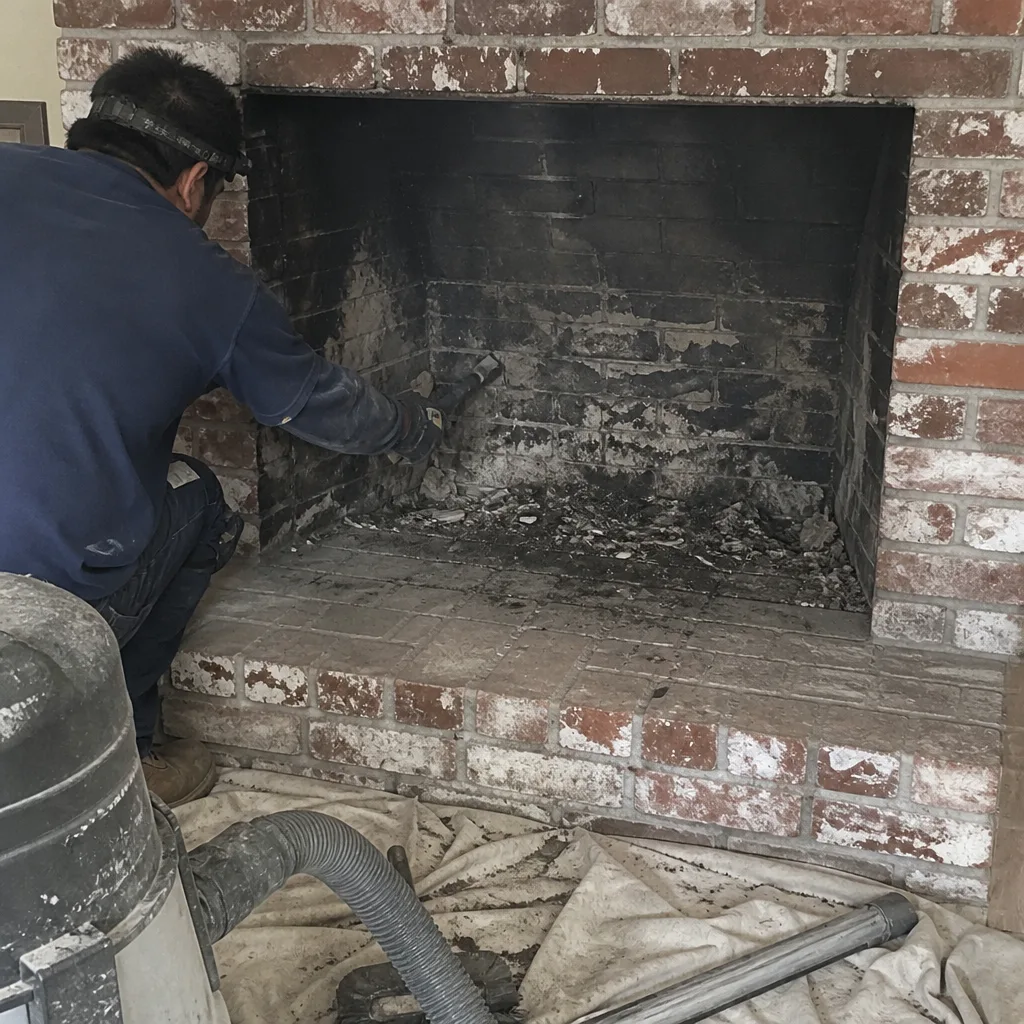
- Set up and protect the work area. Drop cloths and containment around the firebox keep soot out of your living space. A professional service treats the interior of your home as part of the job.
- Inspect before cleaning. We look at the accessible components and, when the inspection level calls for it, run a camera up the flue. This step establishes the condition of the chimney before a single brush goes in.
- Evaluate the flue and creosote. Determining whether the deposit is Stage 1, 2, or 3 tells us what cleaning method and tooling the flue actually needs.
- Sweep the flue. Using professional brush and rotary tooling, we remove soot and creosote from the flue surfaces. The right tooling depends on the creosote stage and the flue’s construction.
- Clear the firebox and damper. Soot and debris that fall during the sweep get cleared, and the damper is checked for proper operation.
- Check the cap and evaluate the crown. The cap is checked for damage or obstruction, and the crown that seals the top of the chimney is evaluated for its condition. Water and debris protection is part of the service, not an add-on.
- Document and explain. You get a clear account of what was found and, if any repair is recommended, photo or camera evidence you can see for yourself. Nothing gets recommended without that evidence.
One company handles the sweep, the inspection, and any repair, start to finish. That matters because a repair recommendation means more when the same people who found the problem can stand behind the fix, and you’re not handed off to a second contractor who never saw the flue.
What professional rotary systems do that standard brushes miss
Standard brushes do a good job on soft, flaky deposits. They struggle badly against hardened creosote, and they’re largely ineffective against the glazed Stage 3 layer. That’s where professional rotary systems come in. These tools use a spinning head with the right attachment for the job, giving the technician controlled mechanical action that loosens and removes the stuff a flat brush slides right over.
On glazed creosote, rotary tooling can be paired with a chemical treatment to soften the layer before it’s worked off, so the flue can actually be returned to a clean surface rather than skimmed. This is the difference between a chimney that’s genuinely clean and one that’s merely been swept over the top layer. The correct method follows from the inspection: if we know it’s Stage 3, we bring the tooling and process for it instead of forcing a standard brush and calling it done.
Where surfaces have become damaged or rough from years of deposits and moisture, resurfacing may be the right path. We use HeatShield, an established industry resurfacing system, to restore a chimney liner without the cost and disruption of full relining. When a liner genuinely needs replacing, we install DuraFlex flexible liner systems directly. Both are professional-grade products, not the generic parts a handyman picks up at a hardware store, and both are chosen to extend the life of the chimney rather than patch a symptom and walk away.
Safety matters here and it’s non-negotiable. Working inside a flue, on a chimney top, or with tools meant to break down flammable deposits is not a task for a homeowner with a shop brush and a ladder. The hazards of height work, soot exposure, and a flue that could hold ignitable creosote are real. This is a job for a trained professional.
Caps, crowns, and water damage: the preventive layer
Water is the single most persistent threat to a chimney, and it doesn’t announce itself. It enters through an uncapped flue, a cracked crown, or failing mortar at the top, then works its way down through the masonry, softening mortar and damaging the liner over time. By the time a homeowner sees staining on the ceiling or crumbling mortar, the problem has usually been building through several idle seasons.
A chimney cap isn’t optional maintenance. It’s the difference between a dry flue and a crumbling one, and it’s also what keeps birds, debris, and rain out of the opening. A properly sealed crown is the chimney’s first line of defense at the top. Checking both is part of every full-cycle appointment, because preventive work done early is far less expensive than the repair it prevents.
Our cap and crown work is handled in-house, using Gelco and Famco components built for longevity. We carry and install parts from recognized chimney industry brands including Copperfield, Olympia Chimney, and the rest of our supply lineup, so the preventive work on your chimney is done with the same materials chimney specialists nationwide rely on. When your crown or cap is sound, you’re not reacting to water damage. You’re preventing it.
How often should you clean your chimney?
A commonly cited industry guideline is to clean a chimney when roughly a quarter-inch of deposit has accumulated, or once a year during active use. For a Newport Beach fireplace that runs only lightly through the short heating season, the calendar year is a reasonable backstop, but the inspection is what actually tells you whether cleaning is due. The deposits behind the guideline are what drive the schedule, not the number of fires you remember lighting.
Here’s a practical frequency framework for local homes:
- Regular light use: inspect and clean roughly once a year, timed to the season when you’ll start lighting fires again.
- Heavy or frequent use: consider a mid-season inspection and don’t wait the full year if the fireplace is a frequent source of heat.
- Dormant or rarely used fireplace: an annual inspection is still worth it, because a dormant chimney can develop moisture problems, blockages from nesting debris, or a failing cap without any fire ever being lit.
- Recent home purchase: a Level II inspection before you rely on the fireplace gives you a documented starting point.
A fireplace that hasn’t been serviced in years is a specific case. Before the next fire, it deserves a proper inspection and cleaning, because the accumulated deposits and any moisture damage are exactly the conditions that make a first fire dangerous. If it’s been sitting idle, book the inspection before the season starts, not after you’ve already lit the first fire of the year.
Common Mistakes to Avoid
- Treating a clean firebox as a clean chimney. The firebox is the part you can see. The creosote that matters lives up the flue where the deposits condense, and a tidy hearth says nothing about it.
- Skipping the inspection to save time. A sweep without a documented inspection leaves you guessing about the flue’s condition. We inspect before we sweep because the inspection is what tells you whether the cleaning worked and whether anything else needs attention.
- Assuming low use means no cleaning needed. In a mild climate, light use still builds creosote that can harden because it never dries out fully between fires. Low use is a reason to inspect, not a reason to skip.
- Brushing off a stubborn chimney with a standard brush and calling it clean. If the deposits are Stage 2 or glazed Stage 3, a standard brush won’t remove them. Rotary tooling and, when warranted, a chemical treatment get the flue genuinely clean.
- Ignoring the cap and crown. Both are cheap to check and costly to replace once water damage has spread through the masonry and liner. Preventive work is far less expensive than the repair it prevents.
- Accepting a big repair quote without evidence. A recommendation for liner work or masonry repair should come with camera or photo documentation you can see for yourself. If it doesn’t, don’t commit. Ask.
- Doing flue work yourself. Working in a flue that may hold glazed, flammable creosote and working at height around a chimney top are hazards a homeowner shouldn’t take on. This is trained-professional territory.
When to Call a Professional
Call a professional chimney service when the fireplace hasn’t been cleaned or inspected in over a year, when you’re buying or selling a home, or when you notice anything that doesn’t look right, such as shiny or sticky residue in the firebox, crumbling mortar, a damaged cap, water stains, or a smoky draft that didn’t used to be there. Any of those signs means the chimney deserves a documented inspection before the next fire. The same applies after a chimney fire, even a small one, and to any home with a long-dormant fireplace you’re about to start using. Newport Beach Chimney Sweep Pros offers free estimates in Newport Beach, and we inspect before we sweep so you know exactly what you’re working with. Call (844) 573-0875. We answer 24/7, with fast dispatch from 7am to 7pm, Sunday through Friday.
Frequently Asked Questions
Chimney cleaning is priced per job based on a written estimate, which depends on the size and construction of your flue, the creosote stage, and whether the job is a standard sweep or a full-cycle appointment that includes inspection and cap and crown evaluation. We provide a free estimate so the price is set in writing before any work begins, never as a moving target after the fact. Call (844) 573-0875 for an exact quote; estimates are free.
Sweep a chimney when roughly a quarter-inch of creosote has built up, or at least once a year during active use. In Newport Beach, where the heating season is short and many fireplaces run lightly, the annual inspection is the reliable anchor and the cleaning gets scheduled based on what we find. Call (844) 573-0875 for an exact quote; estimates are free.
Often you don’t, and we won’t tell you that you do without evidence. When a liner is rough or damaged but structurally sound, HeatShield resurfacing can restore the surface without the cost of full relining. When the liner genuinely needs replacing, DuraFlex flexible liner systems are installed directly. We show you the camera findings and explain plainly whether the work can safely wait or not. Call (844) 573-0875 for an exact quote; estimates are free.
Skipping cleaning lets creosote accumulate, and hardened or glazed creosote is the fuel a chimney fire needs. It also allows moisture, debris, and a damaged cap to go unnoticed, which is how a small repair becomes a large one. If a chimney hasn’t been serviced in years, the safest move is a full inspection and cleaning before the next fire. Call (844) 573-0875 for an exact quote; estimates are free.
Because creosote forms from combustion regardless of how often you light a fire, and long idle periods let moisture settle into the deposits so they harden instead of drying out. A Newport Beach fireplace used only a handful of times each winter can reach Stage 1 or Stage 2 creosote before the owner expects it. Call (844) 573-0875 for an exact quote; estimates are free.
Yes, a Level II inspection with a flue camera is typically the right level for a real estate transaction or a recent home purchase. It gives you a documented, photo-backed account of the chimney’s condition that you can use for the purchase, the sale, or insurance. Call (844) 573-0875 for an exact quote; estimates are free.
The Bottom Line
Chimney cleaning in Newport Beach is more than brushing out soot. The mild climate means light use and long idle seasons, which is exactly the pattern that produces moisture-laden, hardened creosote and that makes the first fire of the year the one worth being careful about. A full-cycle appointment covers the whole system: a documented inspection, cleaning with tooling matched to the creosote stage, and a cap and crown check that stops water damage before it starts. Professional-grade parts from DuraFlex, HeatShield, Gelco, and the other brands we install mean the fix is built to last. We inspect before we sweep, so you know exactly what you’re working with. If your chimney hasn’t been looked at this year, it’s worth the call.
Contact
Ready to get your chimney properly cleaned and inspected before the season starts? Our technicians have up to 13 years of experience, and we handle the sweep, the inspection, and any repair from start to finish so there are no handoffs. Call (844) 573-0875 for a free estimate. We answer 24/7, with fast dispatch from 7am to 7pm, Sunday through Friday.
Written by the team at Newport Beach Chimney Sweep Pros.
See the difference
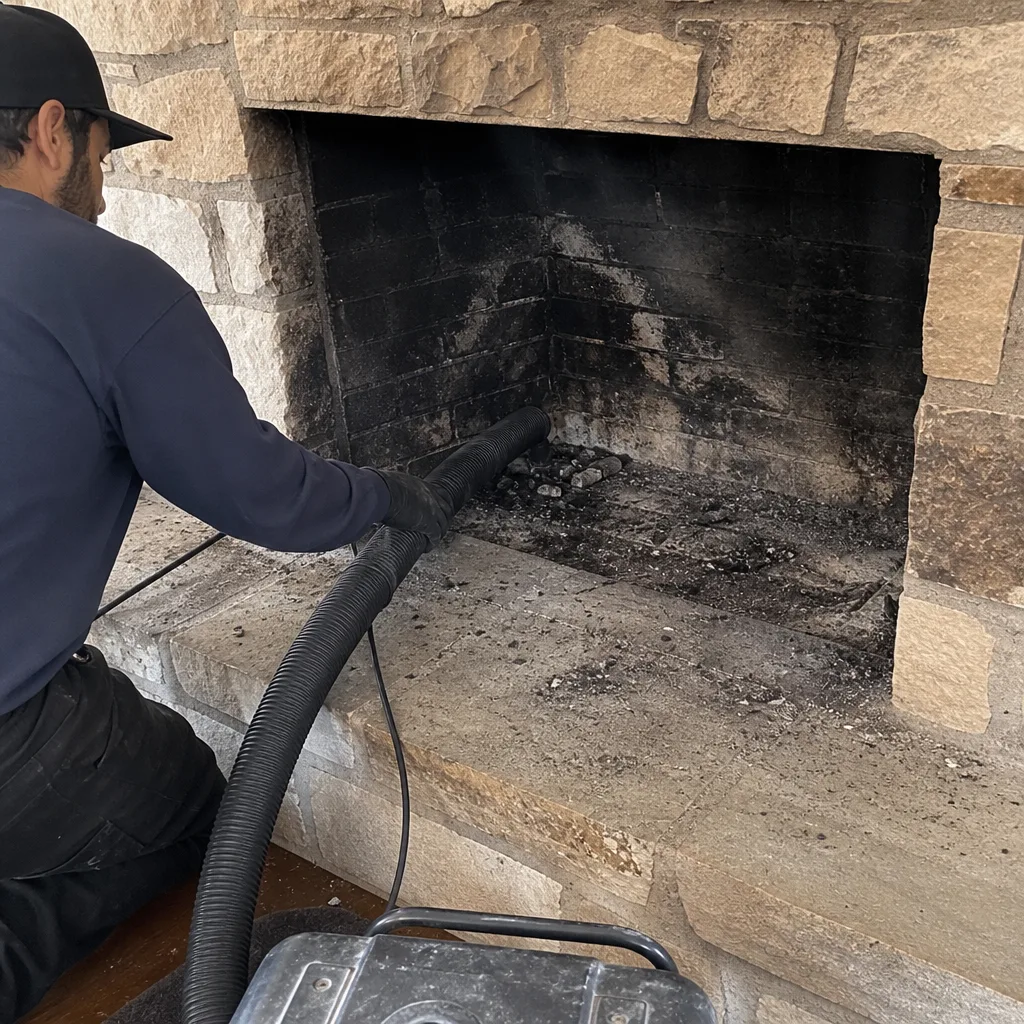 Before
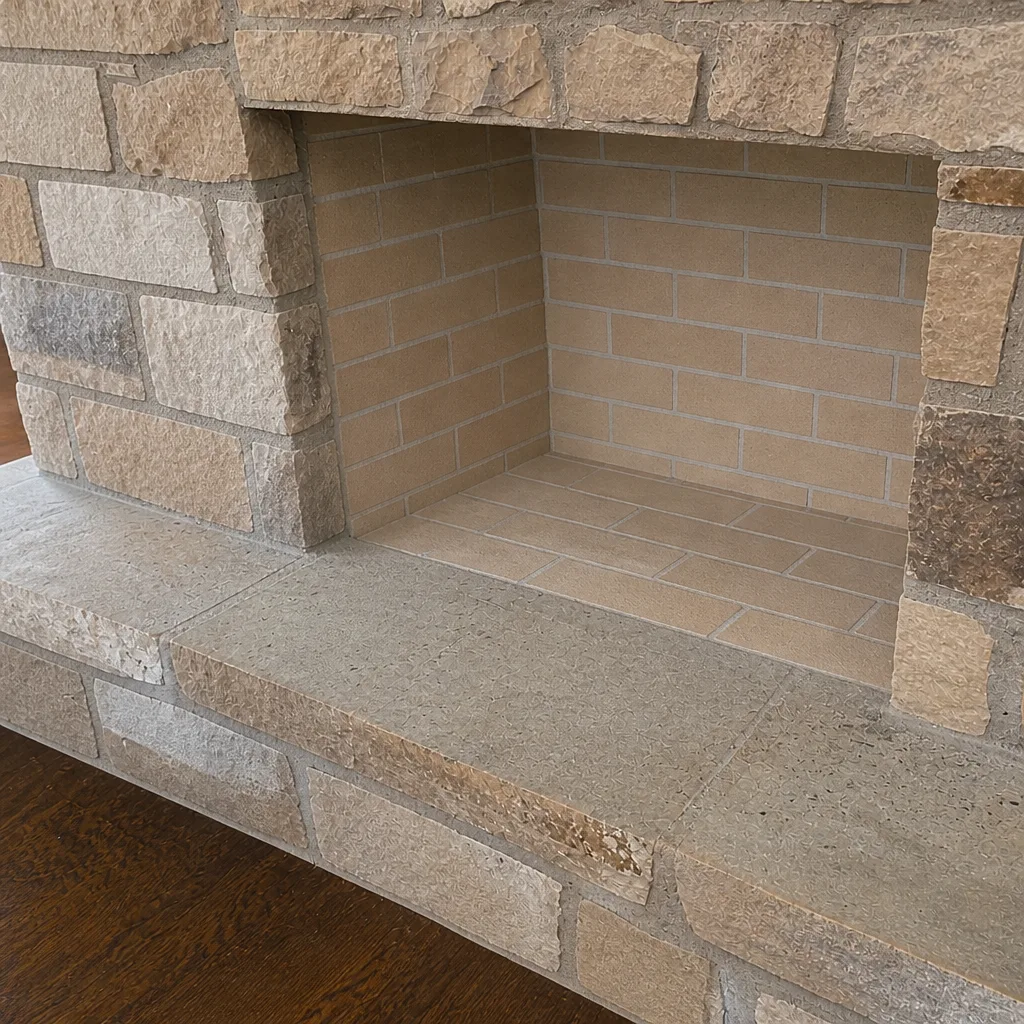 After
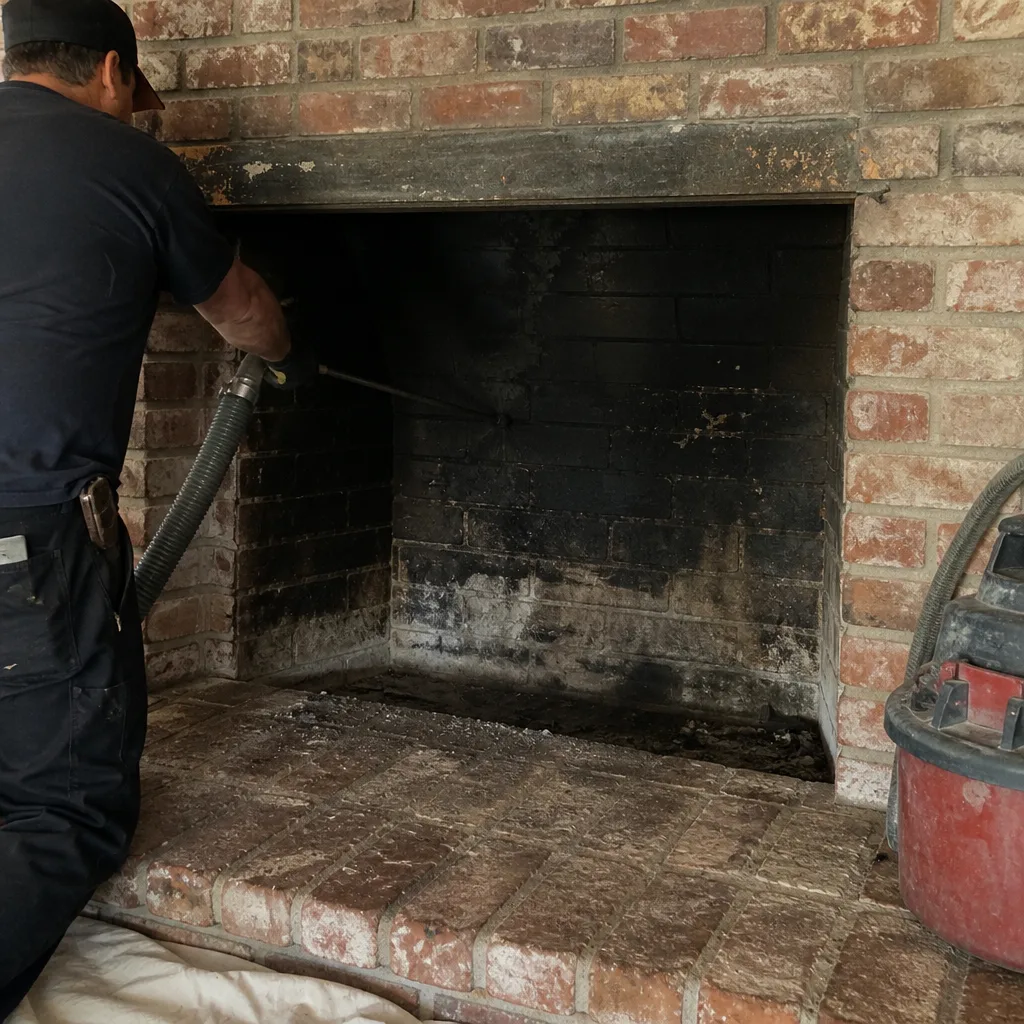 Before
 After
 Before
 After